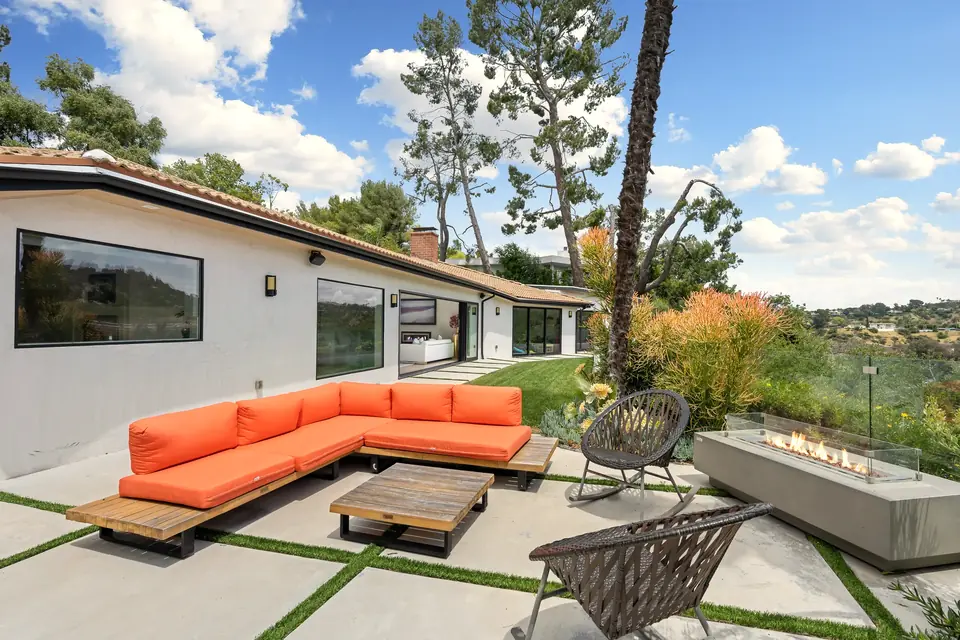
Covered patios
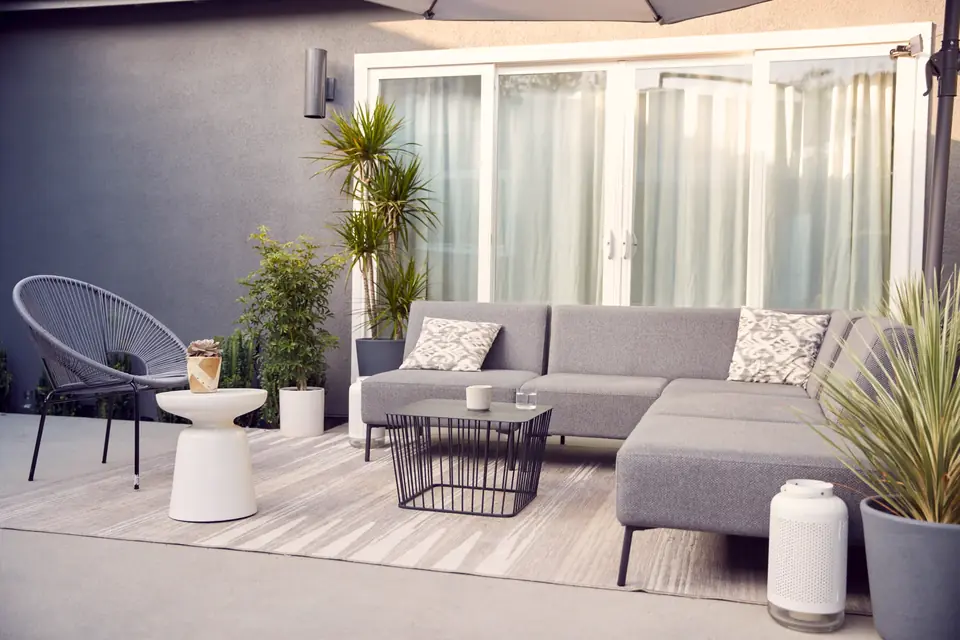
The most common outdoor project. Shade helps any coating last longer and keeps the surface comfortable.
Tell us about your floor
A few details are enough to start. We'll follow up to talk through the slab, the system options and a time to see the space.
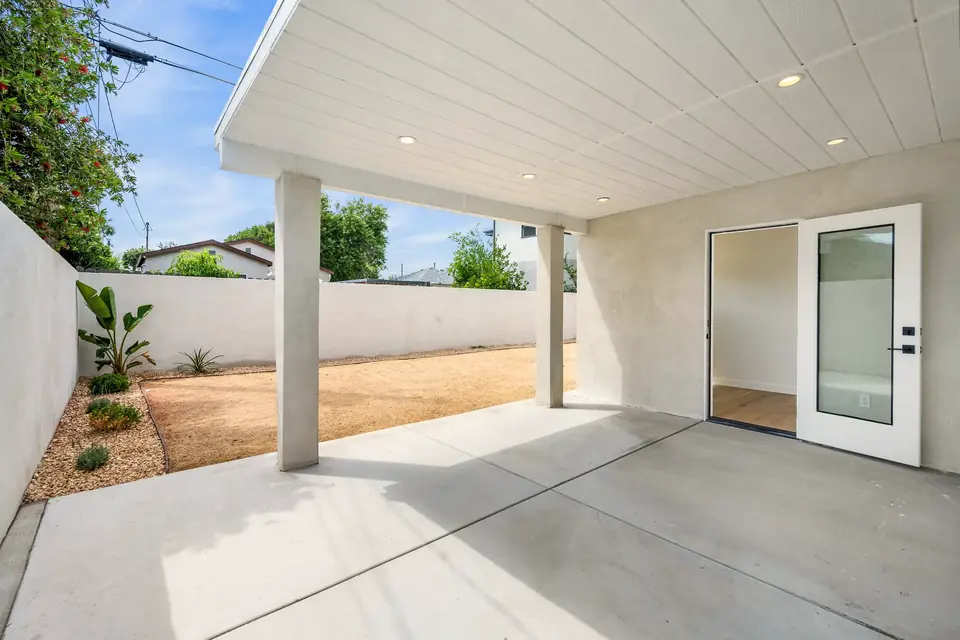
Outdoor slabs in the Valley face the harshest conditions a coating can see: direct UV, extreme surface heat, monsoon downpours and pool water. Outdoor systems have to be chosen for those conditions first and appearance second.
A coating that performs beautifully in a garage can fail quickly outdoors. Standard epoxy yellows and chalks in direct sun, sometimes within a single summer. Smooth glossy finishes become slick in the rain. Dark colors absorb heat and can get uncomfortable for bare feet. And the slab itself moves more outside, where it is exposed to the full daily temperature swing.
Outdoor coatings therefore use different chemistry and different priorities. Topcoats must be UV-stable, which in practice means polyaspartic or aliphatic urethane. Texture is built in for grip. Colors lean lighter to reduce heat gain. And the system has to handle water that sits after a storm and drains off the edge.
For some slabs, a full coating is not the right answer at all. A good penetrating or decorative sealer may protect the concrete and refresh its look with less cost and less maintenance. We will tell you which one fits.
| Option | Look | Strengths | Considerations |
|---|---|---|---|
| Polyaspartic flake system | Speckled, natural stone feel | UV-stable, textured, hides dust and leaves | Lighter blends stay cooler; best on covered or partly shaded slabs |
| Textured solid-color polyaspartic | Clean, uniform color | UV-stable, easy to clean, modern look | Needs anti-slip aggregate; shows dirt more than flake |
| Penetrating sealer | Natural concrete | Breathable, nearly invisible, low maintenance | Protects but does not hide stains or wear |
| Decorative acrylic sealer | Enhanced color, satin or wet look | Refreshes stamped and colored concrete | Requires periodic reapplication in strong sun |
We do not recommend standard epoxy as an outdoor topcoat in Phoenix. It is the most common cause of yellowed, chalky patio coatings.
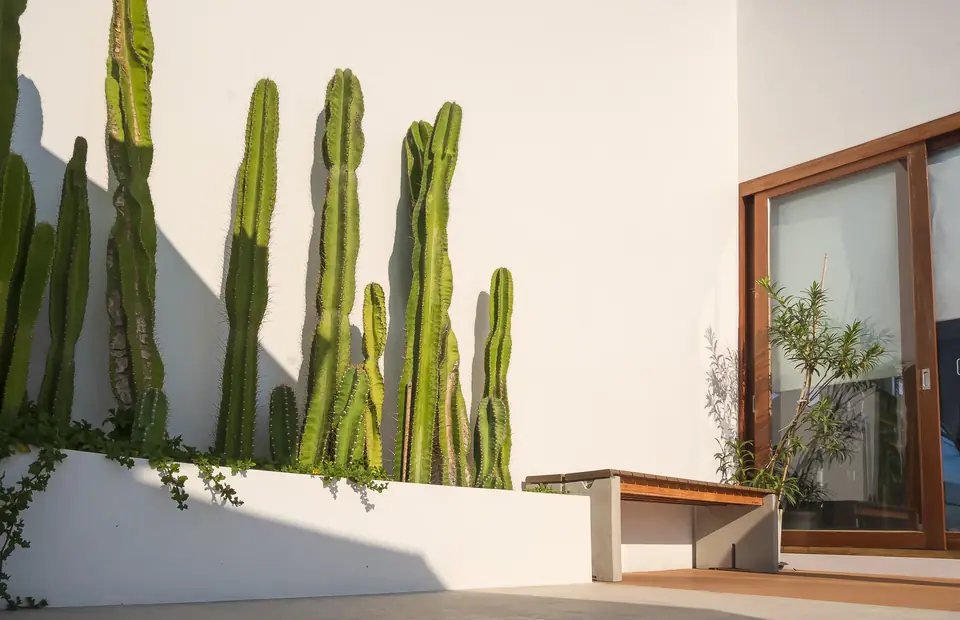
Concrete in direct summer sun gets far hotter than the air. Lighter colors and flake blends with cream and sand tones stay noticeably cooler than dark finishes.
Only UV-stable topcoats belong outdoors. They keep color consistent and resist chalking.
Texture keeps wet surfaces walkable, and the coating is terminated cleanly at edges so water drains off rather than lifting the edge.
Outdoor slabs have more cracks and wider joints. These are repaired or honored so the coating can move with the concrete.
Outdoor slabs sit directly on soil. Breathability and moisture testing matter, and salts must be removed before coating.
Splash-out brings chlorine and salt. Topcoats are chosen to tolerate occasional exposure and rinse clean.
Stock photos of a weathered stamped patio and a similar outdoor space with a smooth, light coating.
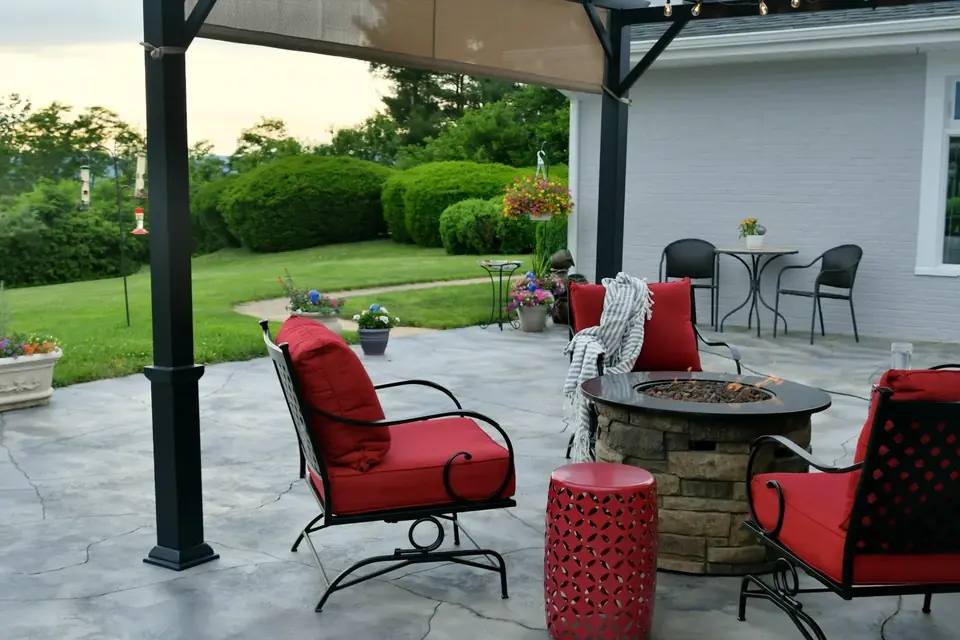 Before
 After
Photo pair shows licensed stock images of similar spaces, not a completed project of ours.
The most common outdoor project. Shade helps any coating last longer and keeps the surface comfortable.
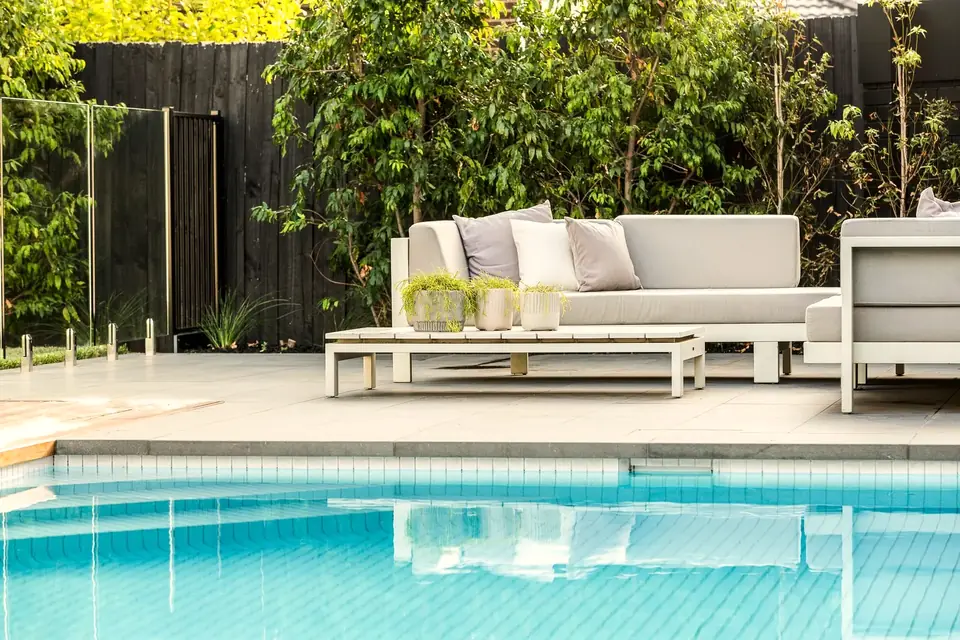
Where the slab sits beside the pool, texture and chemical tolerance come first. Existing pool deck surfaces need an individual assessment.
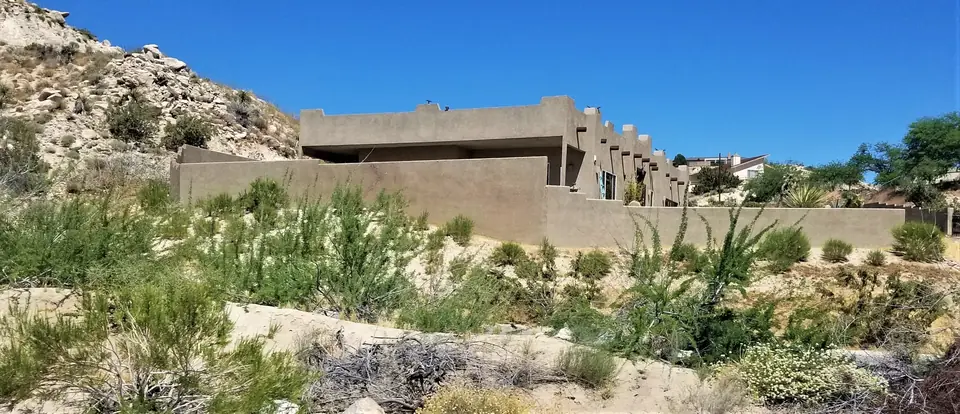
Front walks and courtyard entries get a sealer or textured coating that handles foot traffic and holds up in full sun.
Many Valley pool decks have a textured cool-deck or acrylic surface rather than bare concrete. Those surfaces are designed to stay cooler and provide grip, and covering them with a standard floor coating can make the deck hotter and slicker than it was.
For pool decks, we assess the existing surface first. Sometimes the right move is a compatible resurfacing or sealer rather than a floor coating. Where a coating is appropriate, we choose a light color, add generous texture and use a UV-stable, chemical-tolerant topcoat.
If we do not think a coating is the best option for your deck, we will say so and point you toward what is.
Outdoor coatings in Phoenix go through a demanding year. Summer brings the most UV and the highest surface temperatures. Monsoon season adds sudden downpours, blowing dust and debris that can sit on the slab after a storm. Winter is gentler, though early-morning dew can make smooth surfaces slick. A well-chosen system handles all of it, but a little care keeps it looking its best.
Rinse dust and pollen off with a hose rather than letting it bake on, and sweep up leaves and palm debris before they stain. Clean barbecue grease and drink spills promptly, since outdoor heat can set stains faster than indoors. Furniture with metal feet benefits from glides to prevent scuffing, especially on heavier pieces moved often.
Even UV-stable topcoats wear gradually in full sun. On uncovered areas, plan on a refresh coat at some point to restore gloss and texture before the decorative layer is exposed. Covered patios last considerably longer between refreshes. We can look at your slab’s exposure during the estimate and give you a realistic sense of what to expect.
If your patio connects to an interior space or a garage, matching the flake blend across all three creates a continuous look from inside to out, while each area still gets the chemistry that suits its conditions.
If landscaping, pool resurfacing or painting is planned, schedule the coating after the messiest work is done. Irrigation should be adjusted so sprinklers do not wet the slab for the first day or two after coating, and planters and furniture need to come off the area during installation.
Color matters most. Light colors and flake blends with sand and cream tones stay much cooler than dark solids in direct sun. Any surface in full Phoenix sun gets hot, so covered and shaded areas are the most comfortable candidates.
Not as the exposed layer. Standard epoxy yellows and chalks in UV. Outdoor systems use polyaspartic or aliphatic urethane topcoats, sometimes over a compatible base.
It can be if left smooth, which is why outdoor systems include texture. Flake adds natural grip, and anti-slip aggregate is added to the topcoat for wet areas.
Covered patios with a UV-stable system hold up far longer than fully exposed slabs. Uncovered areas may need a fresh topcoat sooner. Sealers need reapplication on a shorter cycle than full coating systems.
Stamped concrete is usually better served by a decorative sealer that preserves the pattern. A flake or solid coating would hide the stamp texture. We can refresh stamped surfaces with cleaning and resealing.
Yes. Cracks are cleaned out and filled before coating. Outdoor slabs move more than indoor ones, so some cracks may show through again over time. Control joints can be honored so the slab can move without damaging the coating.
Fall, winter and spring are the easiest seasons because temperatures are moderate and storms are rare. Summer work is possible with early starts, but we avoid monsoon afternoons when rain or dust could land on uncured coating.
No special products are needed. A garden hose, a soft brush and a pH-neutral cleaner handle most dirt. Avoid harsh acids and pressure washing at close range, which can damage the topcoat over time.
No coating can prevent concrete from moving. What a good system does is bridge small hairline cracks, seal the surface against water and stains, and allow control joints to keep working. Larger structural cracks need repair, and some may reappear over time.
The coating follows the existing slope of the slab, so drainage stays the same. If water already ponds in certain spots, we can discuss leveling those areas before coating so the new surface sheds water properly.
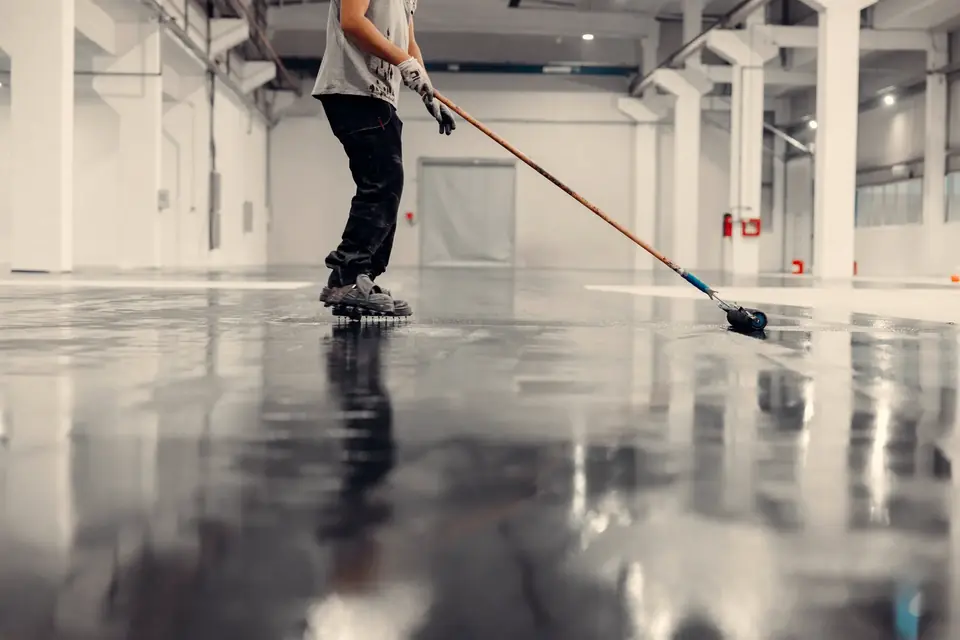
Fast-curing, UV-stable coatings and one-day garage systems.
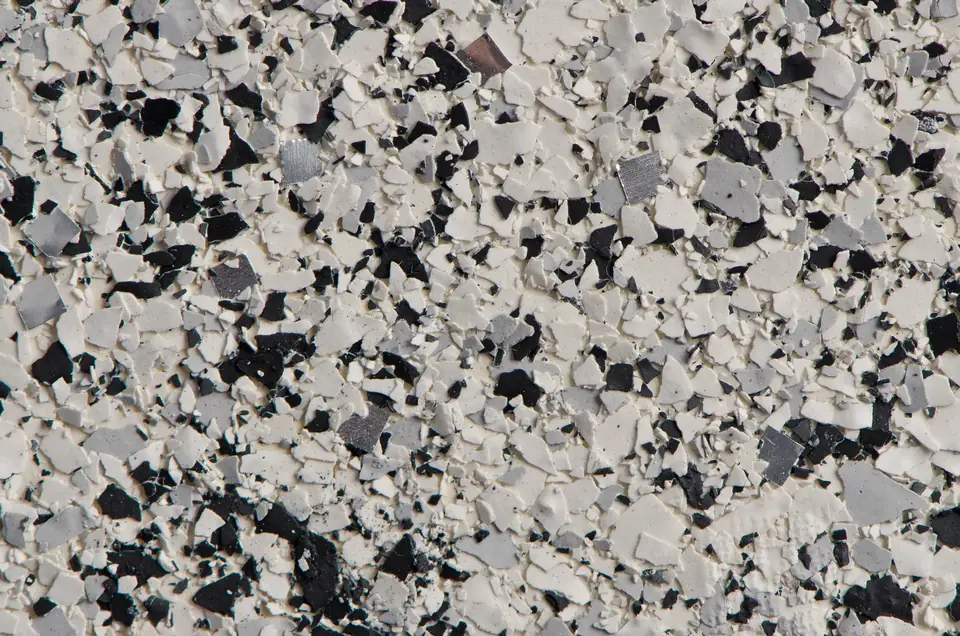
Full-broadcast chip floors with custom blends and adjustable texture.
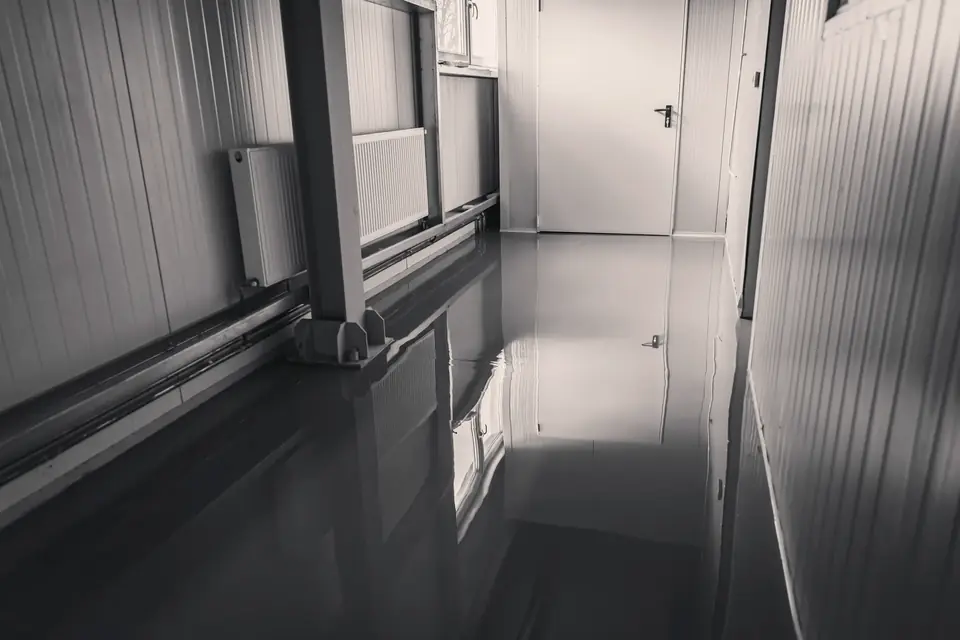
Sealers, clear coats, solid colors and quartz systems for everyday concrete.
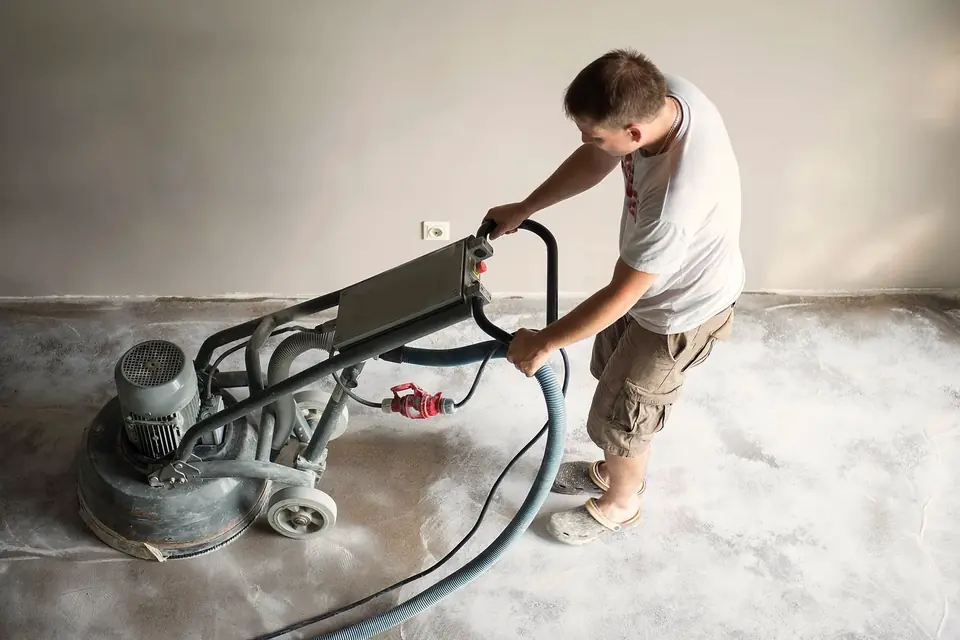
Diamond grinding, coating removal, crack and joint repair, moisture testing.
Send us a description or photos of the patio and how much sun it gets. We will recommend a coating or sealer that suits the space and the climate.
Prefer to talk? Call (XXX) XXX-XXXX