Epoxy, polyaspartic and concrete coatings across Phoenix and the Valley

Call (XXX) XXX-XXXX

Concrete floors finished for the way Phoenix lives.

Garage floors, home interiors, shops and warehouses coated with epoxy, polyaspartic and polyurea systems that are chosen for desert heat, prepared by diamond grinding, and built to keep looking good when the slab hits triple digits.

See before and after
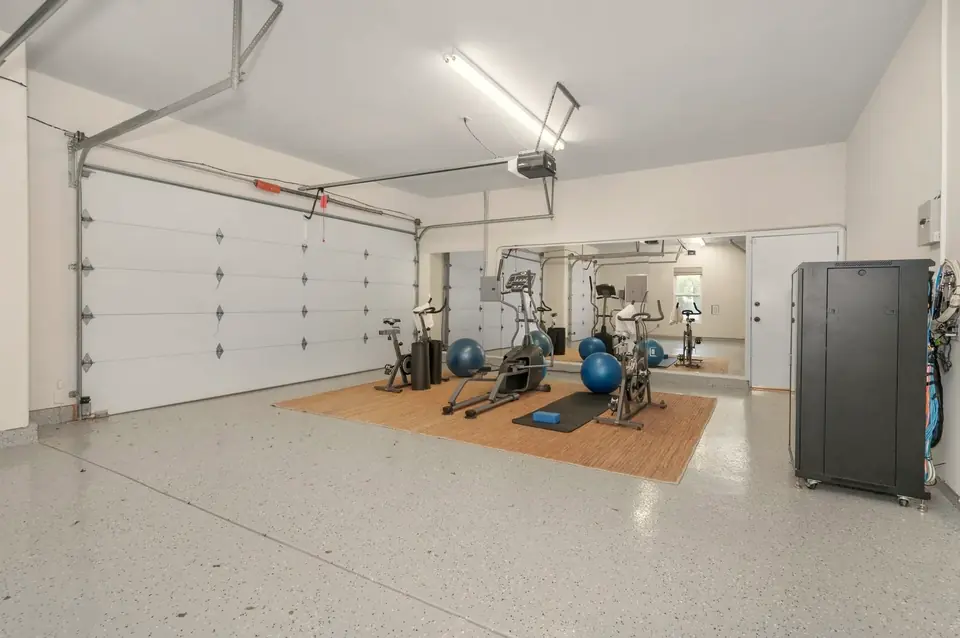
Bright two-car garage with a light gray decorative flake epoxy floor, home gym equipment on a rug and white garage doors
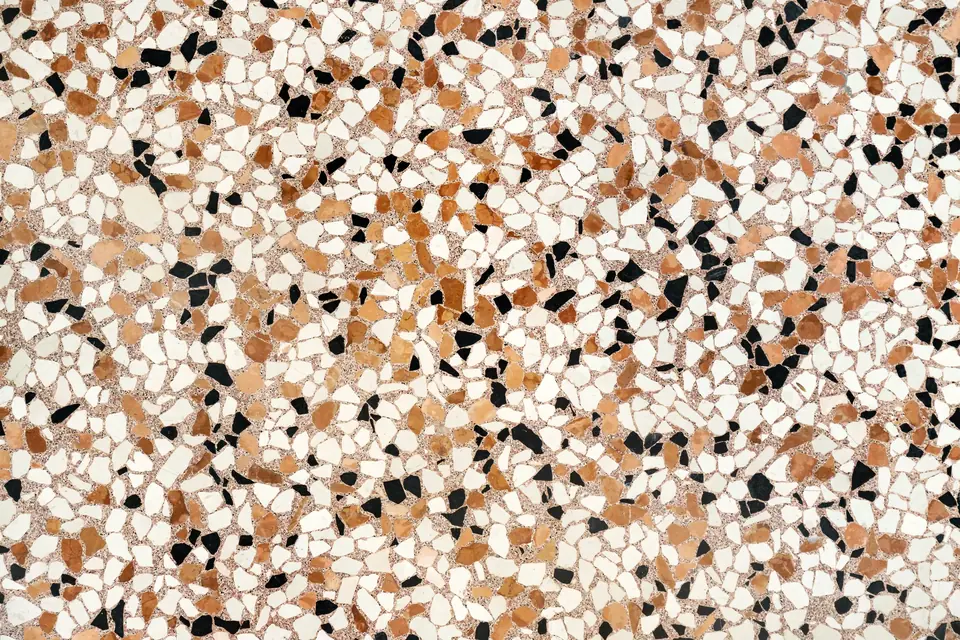
Close-up of tan, brown, black and white vinyl flake chips under a clear coat

Full-broadcast flake under a UV-stable clear coat

A flooring contractor that starts with the slab, not the color chart.

Most people call us about how a floor will look. We spend the first visit on what's underneath it.

Phoenix AZ Epoxy Contractor installs resinous floor coatings across Phoenix and the wider Valley: decorative flake garages, metallic epoxy living spaces, polyaspartic one-day systems, and hard-working floors for shops, showrooms and warehouses. The finish is what you see every day, but the long-term result is decided earlier, by how the concrete is opened up, repaired and primed before a single color goes down.

That is why every project begins with a look at the slab itself. We check for moisture, old sealers, oil, cracks, spalling and the high and low spots that will show through a glossy finish. Then we recommend a system for the space you actually have, not the one in a brochure. Sometimes that means a premium metallic floor. Sometimes it means a simple, tough two-coat system that will outlast a fancier option in a busy shop.

We write estimates in plain language, including the prep method, the number of coats and the products in each layer, so you can compare quotes on what really matters.

13

Dedicated floor coating services, from garages to warehouse aisles

15

Valley communities on our regular service map

5

Distinct layers in a typical full-flake garage system

1

Day for many polyaspartic garage installs, start to finish

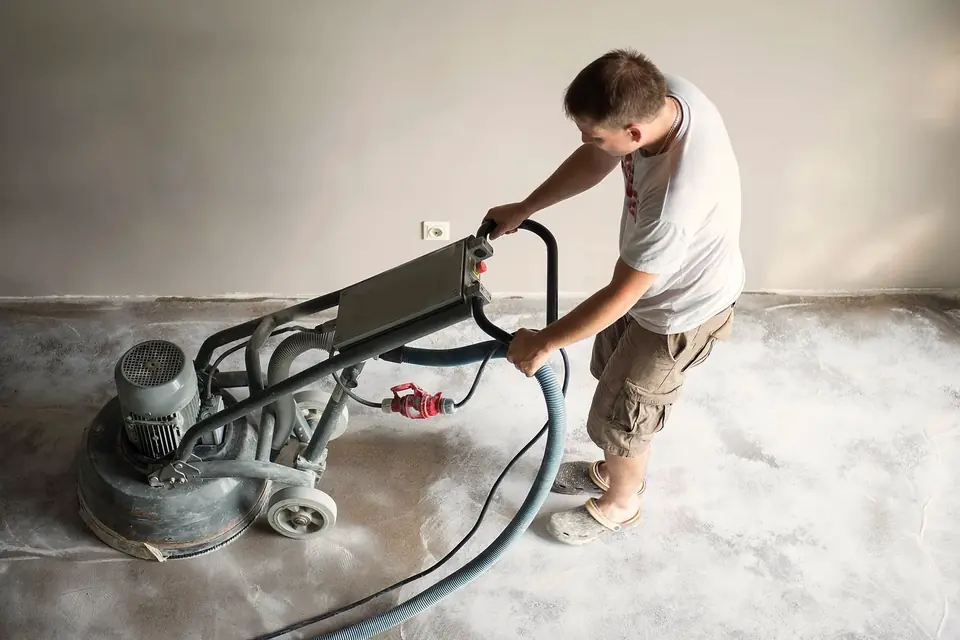
Installer running a diamond floor grinder across a dusty concrete slab
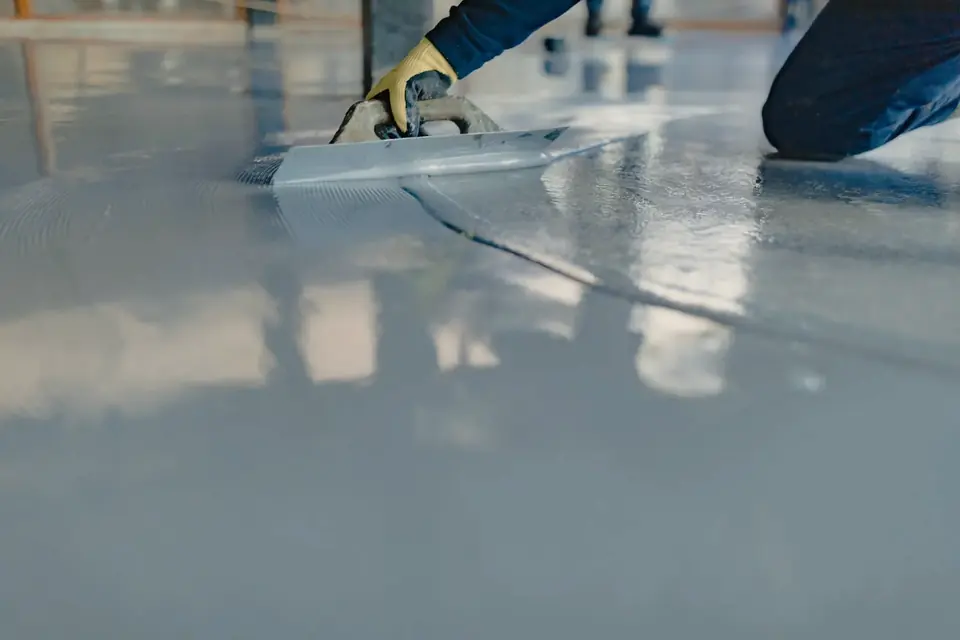
Gloved hand pulling a squeegee through fresh gray floor coating

Why professional epoxy flooring is worth it

Hardware-store kits promise a weekend project, and on a small, clean, unsealed slab they can produce a decent result for a while. The trouble is what they are built from. Many are water-based or low-solids epoxy paints applied a few mils thick over concrete that has only been washed or etched. In a Phoenix garage, that thin film sits under hot tires, temperature swings and sun through the open door, and it is usually the first thing to fail.

A professionally installed floor is a different product. The concrete is mechanically ground so the primer can soak in. Cracks are repaired. Each layer is a higher-solids material applied at a measured thickness, and the top layer is selected for UV and abrasion resistance. The difference shows up a few summers later, when one floor is lifting at the tire lines and the other still cleans up with a mop.

Typical DIY kit

  • Wash or acid etch only
  • Thin, single-coat epoxy paint
  • Decorative flake sprinkled lightly
  • Often no topcoat, or one not built for UV

Professional system

  • Diamond grinding to a measured profile
  • Crack, joint and spall repair
  • Primer, full-build base and broadcast
  • UV-stable polyaspartic or urethane topcoat

Floors we install around Phoenix

Different rooms ask different things of a floor. A garage needs grip and hot-tire resistance, a living space needs a finish you want to look at, and a warehouse needs to survive forklifts. Here is how we approach the most common projects.

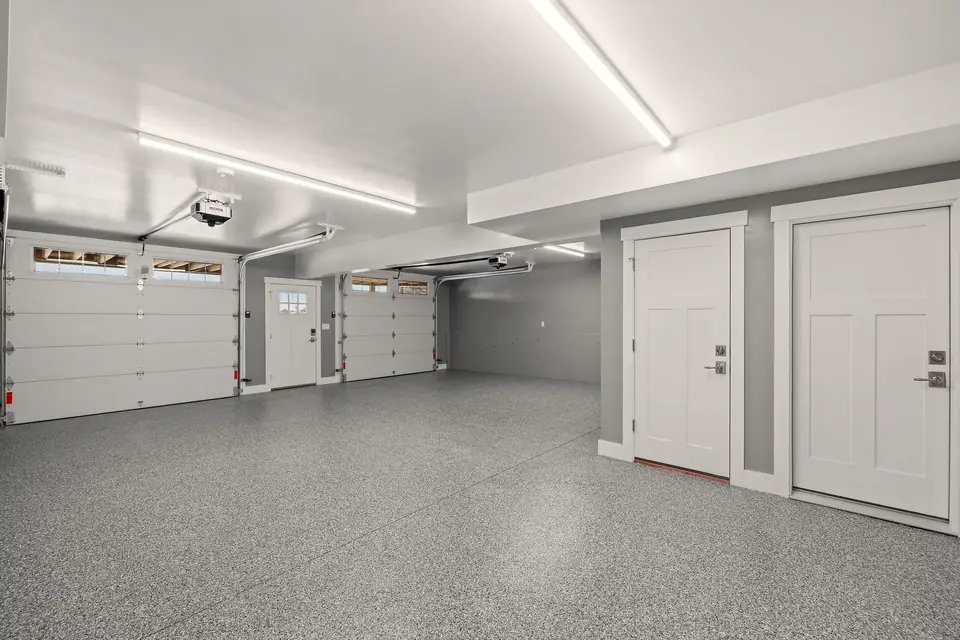
Clean three-car garage with gray decorative flake floor, white doors and overhead LED lighting

Garage epoxy flooring

The garage is where most of our work happens, and it's the hardest-working room in a desert home. It takes hot tires, dripping coolant, monsoon dust, pool chemicals and the occasional dropped wrench, often while the door is open to the afternoon sun.

Our standard garage floor is a ground, primed, full-broadcast flake system with a polyaspartic topcoat. It hides dust between sweeps, gives tires and shoes some grip, and won't yellow where daylight reaches it. Solid colors and metallic finishes are available for owners who want a cleaner, showroom look.

Garage epoxy flooring
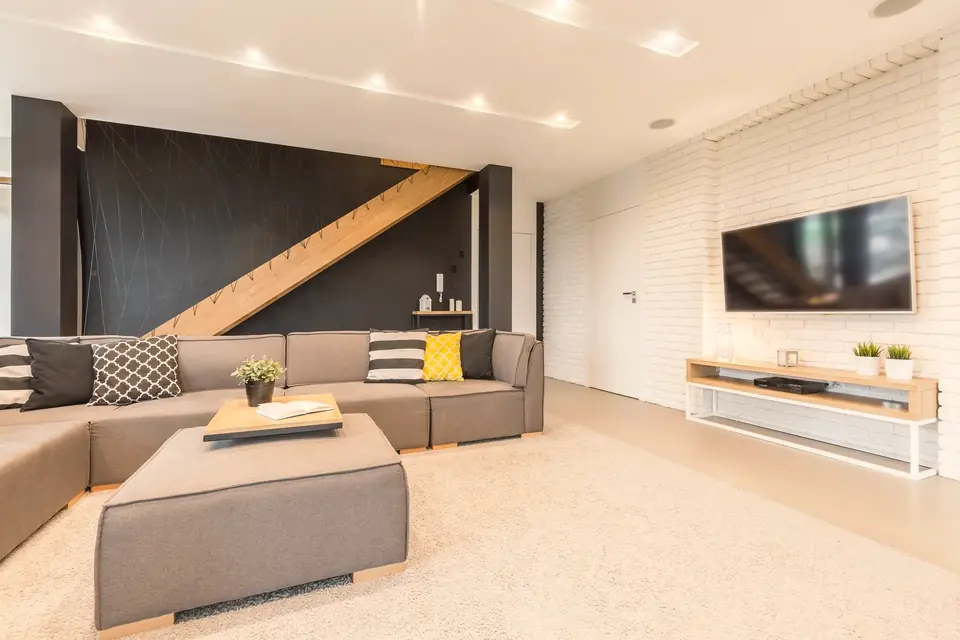
Modern living room with a light seamless coated concrete floor, gray sectional and wall-mounted TV

Residential epoxy flooring

Inside the house, a coated concrete floor is a design decision as much as a practical one. Seamless floors suit the open, modern plans common in newer Phoenix builds, and they are easy to keep clean when dust blows in from the yard.

We coat living areas, laundry rooms, casitas, home gyms, mudrooms and converted garages, with finishes ranging from quiet satin solids to metallic floors with real depth. Interior work involves more attention to odor, edge detail and furniture moves, and we plan for that up front.

Residential epoxy flooring
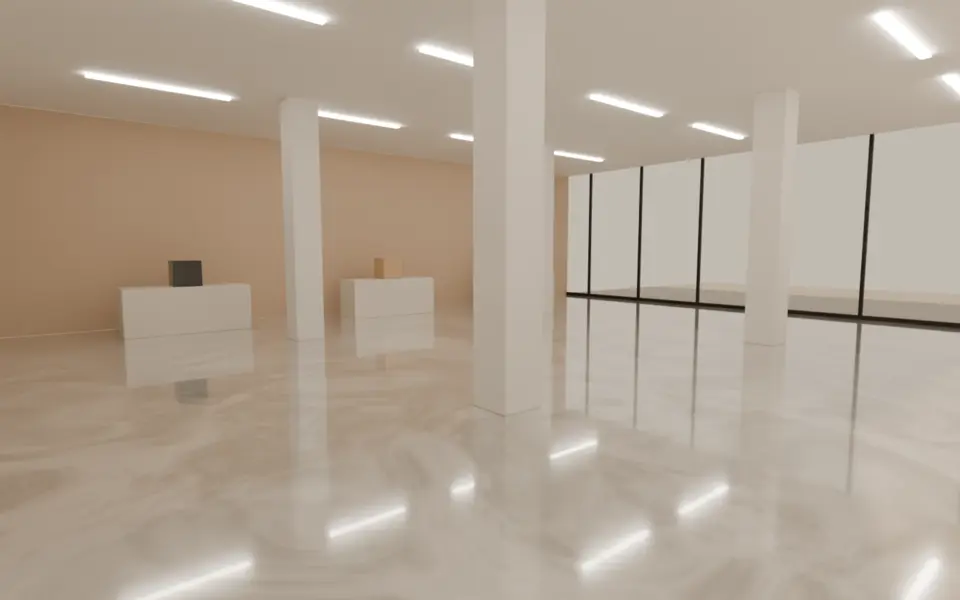
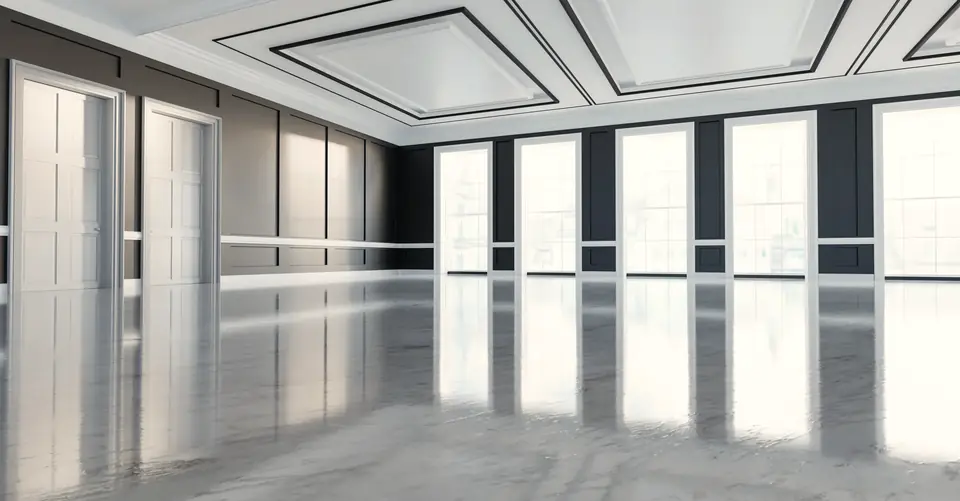
Bright commercial room with tall windows reflected in a glossy light gray floor

Commercial epoxy flooring

Retail floors, showrooms, offices, salons, clinics and restaurant back-of-house areas each need a balance of appearance, slip resistance and cleanability. We also schedule around your hours, including evening and weekend work where it keeps the doors open.

Commercial flooring
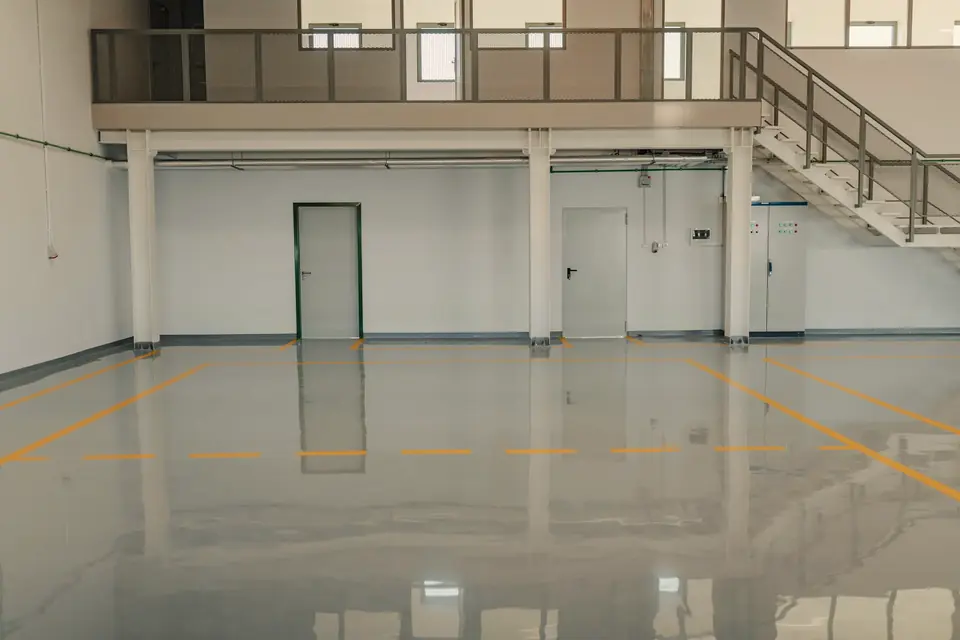
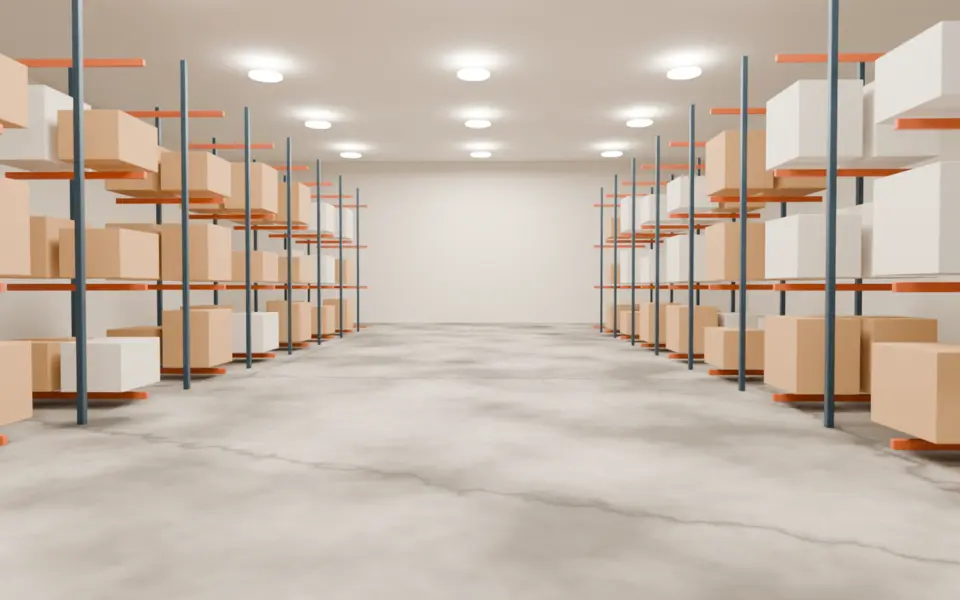
Industrial space with mezzanine and glossy gray coated floor marked with yellow dashed lines

Industrial flooring solutions

Manufacturing floors, warehouses and fleet bays get thicker, harder systems built around their loads and chemicals, with safety striping and marked walkways laid out with your team. Moisture-tolerant primers and joint treatments matter more here than color.

Industrial flooring
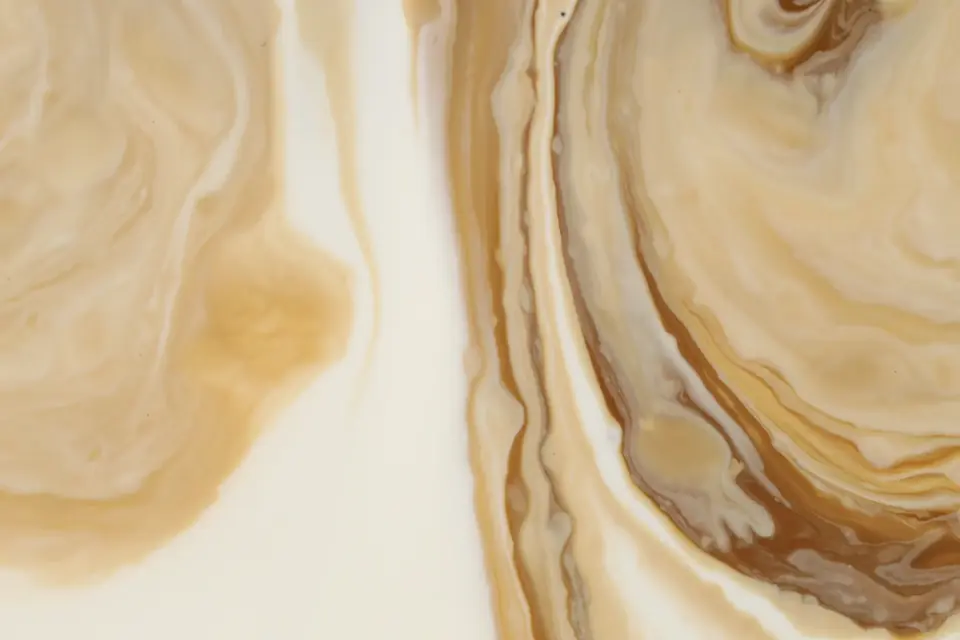
Swirling caramel, cream and bronze metallic epoxy pattern

Decorative and metallic epoxy

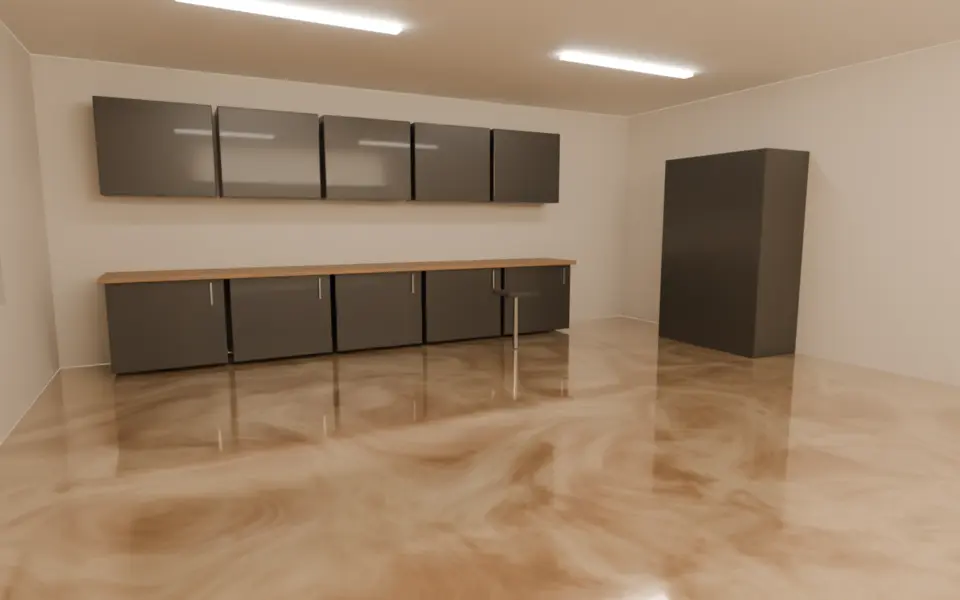
Metallic pigments suspended in clear epoxy move as the floor levels, creating soft veining, ripples and depth that no two floors share. Warm bronzes and sandstones look at home in desert interiors; cooler pearls and charcoals suit modern spaces.

Metallic epoxy
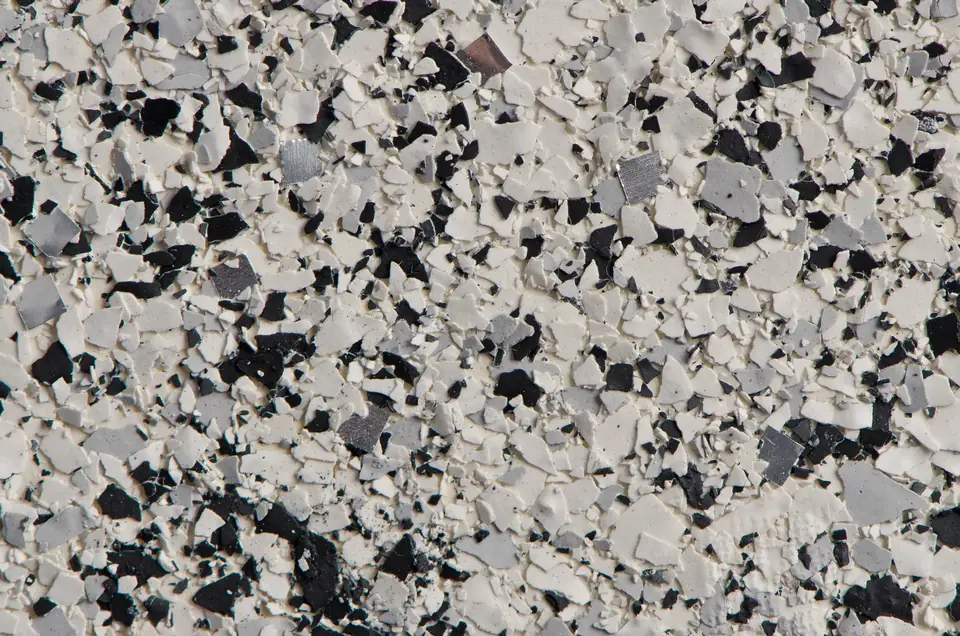
Close-up of gray, white and black decorative vinyl flakes in an epoxy floor

Flake epoxy flooring

Vinyl chips broadcast into a wet base coat until the surface is completely covered, then sealed under a clear topcoat. The texture is forgiving, the color blends hide dust and tire marks, and blend size can be tuned from fine to bold.

Flake flooring

Concrete preparation and floor coatings

Coatings stick to concrete, not to dust, sealers or laitance. Before anything is applied, the slab is diamond-ground to an open, consistent profile. Cracks are routed and filled, spalls are rebuilt, and moisture readings tell us which primer belongs on the floor. Pick a system below to see what goes into it, layer by layer.

The most requested garage system in the Valley. Texture hides dust and gives tires something to grip.

  1. Clear topcoat

    Polyaspartic or polyurethane. Takes the UV, the scuffs and the chemicals.

  2. Vinyl flake broadcast

    Thrown to refusal, then scraped and vacuumed so only locked-in chips remain.

  3. Pigmented base coat

    Epoxy or polyaspartic that the flake falls into while it is still wet.

  4. Penetrating primer

    Soaks into the ground profile and becomes part of the slab surface.

  5. Ground concrete (CSP 2–3)

    Diamond-ground to open the pores. Cracks and spalls filled before anything goes down.

Need prep or repair on its own, ahead of tile, polished concrete or another trade? See concrete floor preparation and repair or our broader concrete floor coatings options.

Our installation process

Most residential garages take one to three days depending on the system. Larger or commercial projects are phased. Either way, the order of operations stays the same.

  1. Site visit and slab assessment

    We measure, check moisture and hardness, note cracks and old coatings, and ask how the space is used. That conversation shapes the system more than anything else.

  2. Written scope and color selection

    You get a plain-language proposal listing prep, products and coat count. Flake blends and metallic colors are chosen from physical samples, ideally viewed in your own light.

  3. Diamond grinding and repairs

    Dust-controlled grinding opens the surface. Cracks, joints, pits and spalls are filled and ground flush, and the floor is vacuumed until it is clean enough to coat.

  4. Primer and base coats

    Primer goes on first to penetrate the profile, followed by the pigmented base. On flake floors, chips are broadcast into the wet base until the surface is fully covered.

  5. Topcoat and texture

    Excess flake is scraped and vacuumed, then the clear topcoat is applied. Anti-slip aggregate is added where the space calls for it, along with stem walls and coved edges if included.

  6. Cure, walkthrough and care

    We walk the finished floor with you, confirm when foot traffic and vehicles can return, and leave simple instructions on cleaners to use and the few to avoid.

What a well-built coating gives you

Each of these depends on the right system for the space. A floor chosen for looks alone may not deliver all of them.

Easier cleanup

A sealed, non-porous surface doesn't hold dust or absorb spills. Most days a dust mop is enough, and a damp mop handles the rest.

Stain and chemical resistance

Oil, coolant, brake fluid, fertilizer and pool chemicals wipe up instead of soaking into bare concrete and leaving a permanent shadow.

A brighter room

Light-colored and glossy floors bounce overhead light back into the space, which makes workbenches, closets and storage walls easier to use.

Protection for the slab

A coating takes the abrasion and impact that would otherwise dust, pit and wear the concrete surface over time.

Room to customize

Flake blend, chip size, solid color, metallic movement, sheen, texture and line striping can all be tuned to the space.

Heat and UV tolerance

With the right topcoat, a floor can handle summer slab temperatures and sun exposure without softening or yellowing.

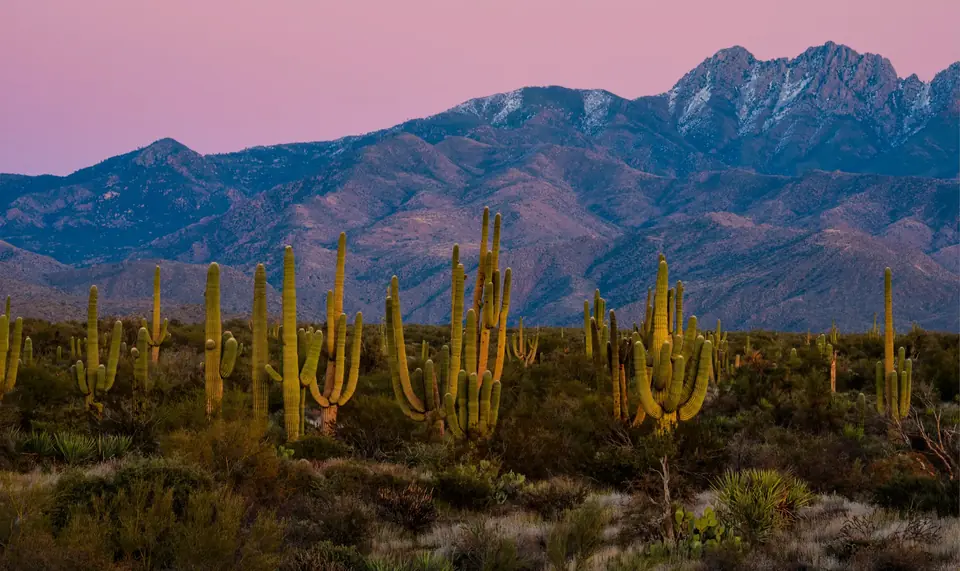
Saguaro and cholla cactus against desert mountains at twilight near Phoenix

Phoenix climate and flooring considerations

A floor coating that performs well in a mild climate can struggle here. The Valley regularly sees summer afternoons above 110°F, and a slab in direct sun can get far hotter than the air around it. These are the conditions we design around.

  • Sun and UV exposure

    Standard epoxy ambers when sunlight reaches it, starting near the garage door. A polyaspartic or aliphatic urethane topcoat keeps the color true where the light lands.

  • Heat and slab movement

    Concrete expands and contracts with big daily temperature swings. Control joints are treated so they can still do their job, and coatings with some flexibility handle the movement better.

  • Dust and desert grit

    Fine dust gets everywhere, especially after a haboob. Flake and mid-tone colors disguise it, and the grit is one reason we favor abrasion-resistant topcoats over soft finishes.

  • Installation-day temperatures

    Heat shortens working time dramatically. Summer jobs start early, batches stay small, and slab temperature is measured instead of guessed.

  • Monsoon humidity and moisture

    Late-summer storms raise humidity and dew points. We check that the slab stays above the dew point during cure and test for moisture vapor coming up through older slabs.

  • Hot tires and hard water

    Tires arrive hot from the road, and hard-water spotting from car washing and drips is a fact of life. Both favor hard, well-bonded, easy-to-clean topcoats.

See the difference a professional epoxy floor can make

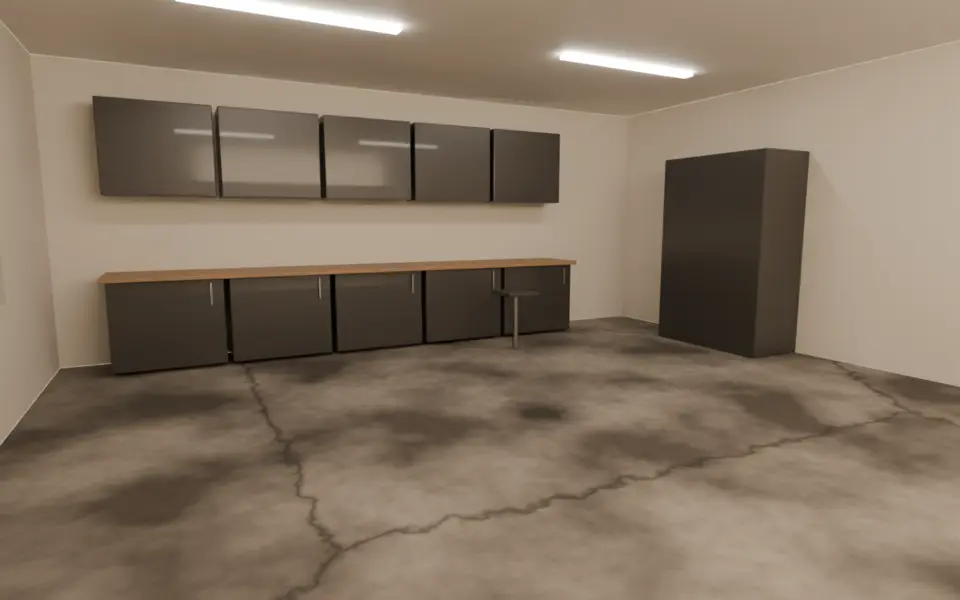
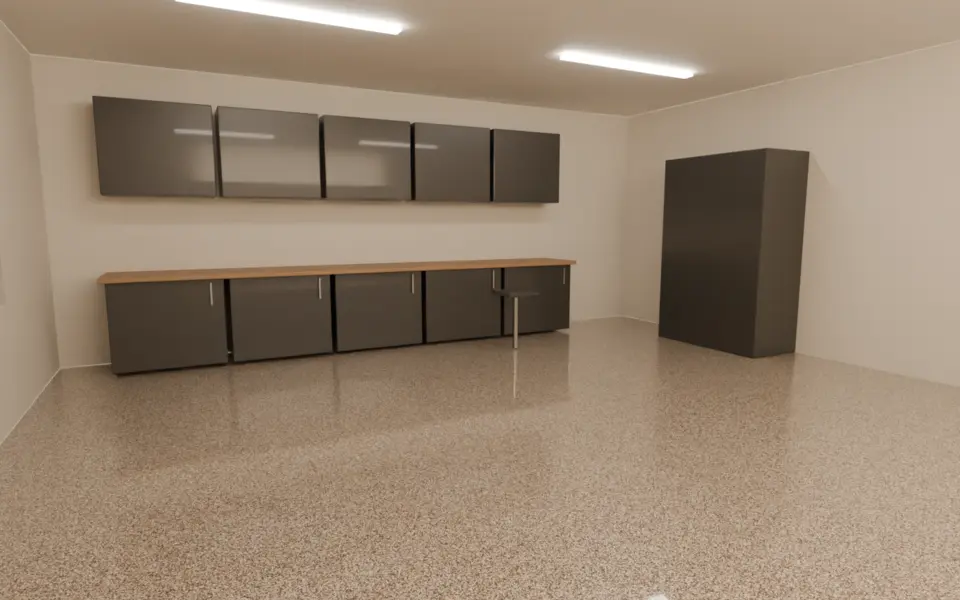
Bare concrete carries every oil stain, crack and patch from the life of the building. Once it has been ground smooth, repaired and coated, the same slab reads as a finished floor. Drag the handle to compare the same room before and after a coating system, then browse comparisons of similar garage, commercial and outdoor spaces below.

Rendered garage with stained, cracked bare concrete floor
The same rendered garage with a tan full-broadcast flake floor and clear topcoat
Before After
Two-car garage, stained slab to full-broadcast flake (rendered illustration)
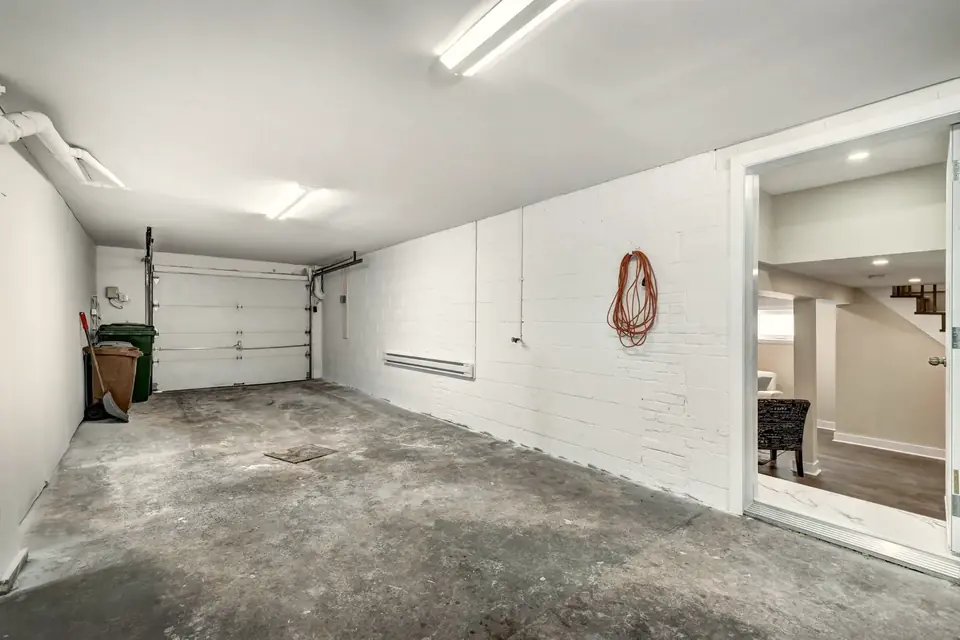
White-walled garage with a stained, worn bare concrete floorBefore
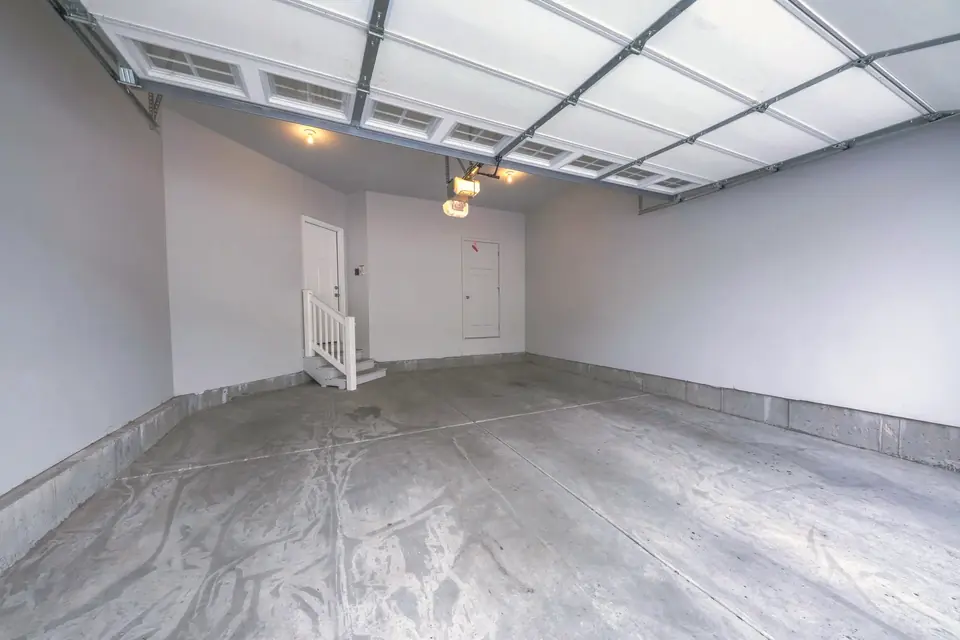
Similar garage finished with a gray full-flake floorAfter
Two-car garage Oil shadows and worn cement paste give way to a uniform flake surface that hides dust between sweeps.
Empty single garage with blotchy, patched bare concreteBefore
Garage with light flake floor used as a home gymAfter
Garage and home gym A light flake blend brightens the room and makes a garage feel like part of the house.
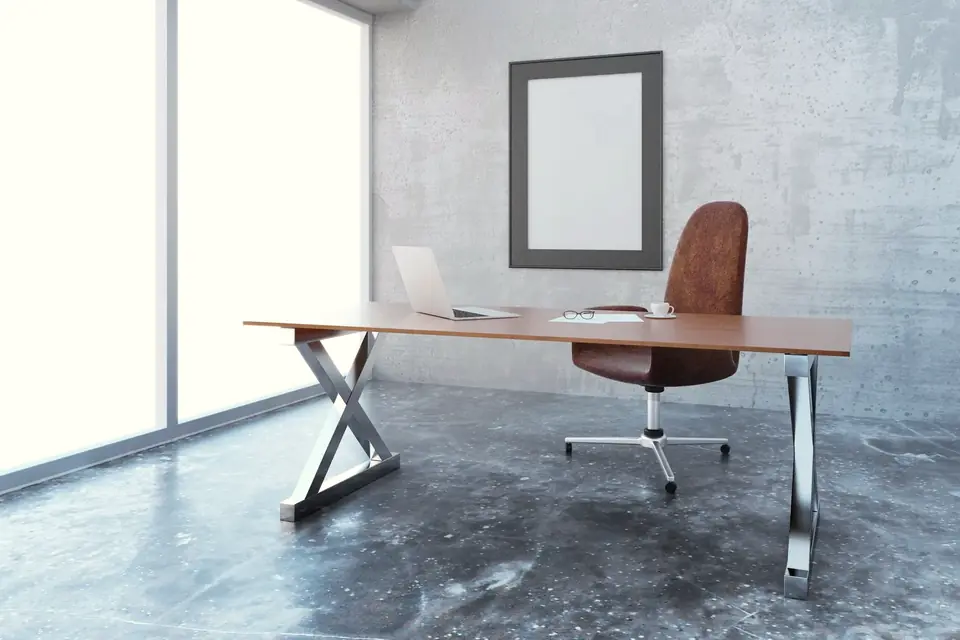
Office with a mottled, unfinished concrete floorBefore
Commercial space with a smooth, reflective light gray floorAfter
Office to showroom Smooth, light-reflective finishes suit storefronts, studios and offices that want polish without tile grout lines.
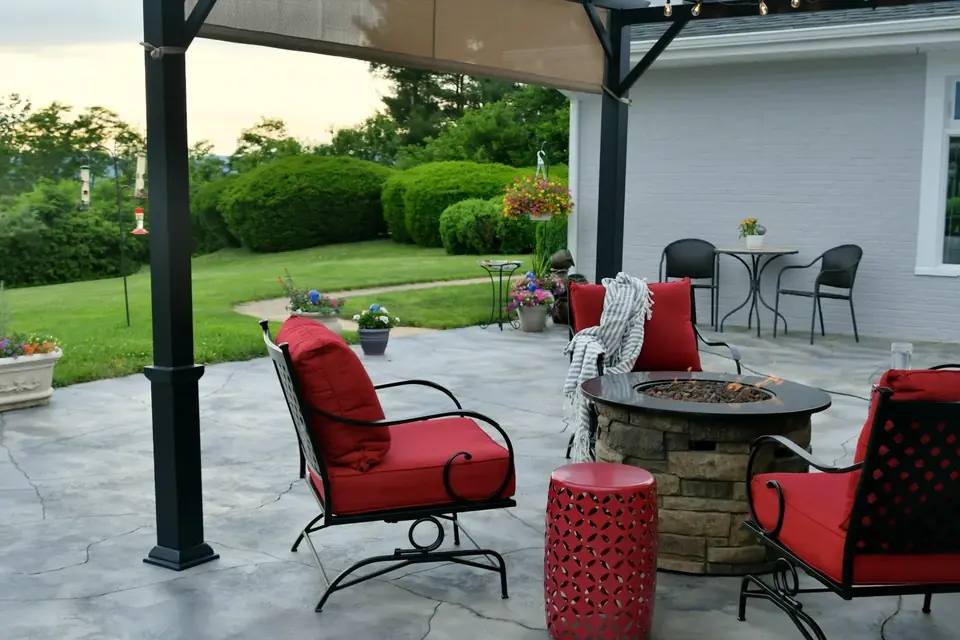
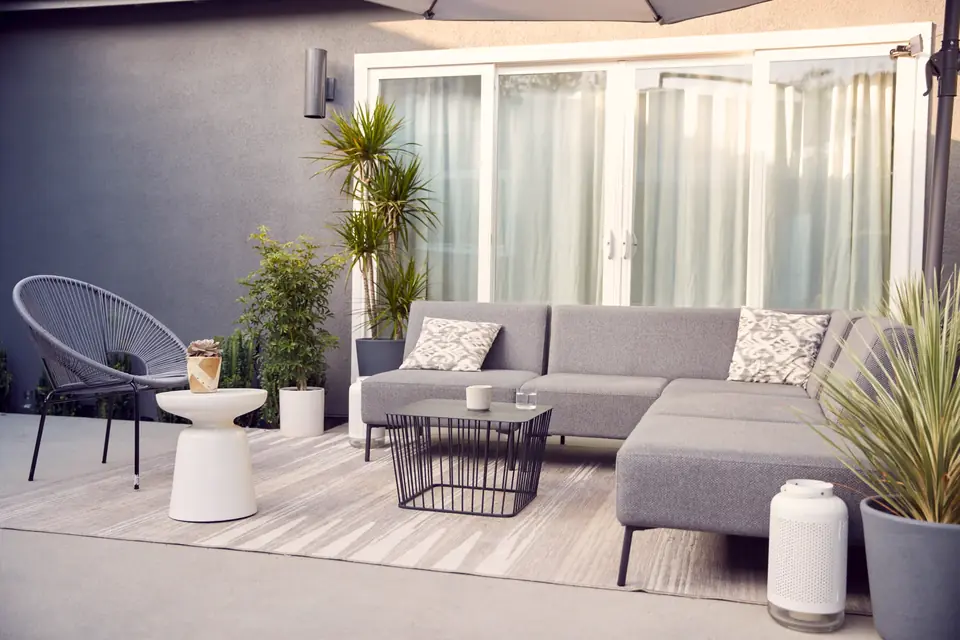
Patio with weathered stamped concrete and a fire pitBefore
Modern patio with a smooth gray coated concrete surfaceAfter
Covered patio UV-stable coatings with texture refresh tired outdoor slabs without trapping heat in a dark color.

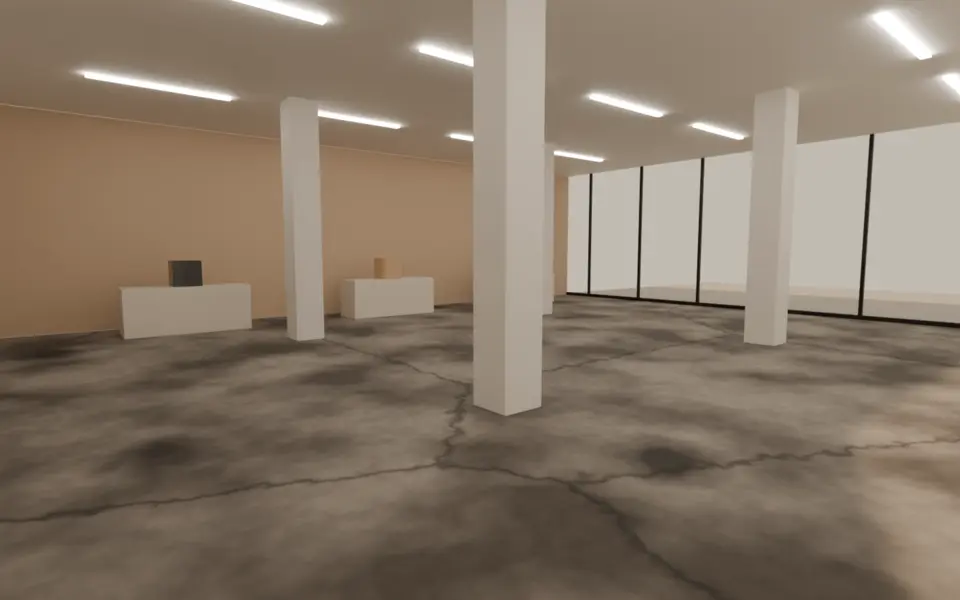
Slider comparisons are 3D-rendered illustrations of the same room before and after coating. Photo pairs are licensed stock images of similar spaces. Neither is presented as a completed project of ours; real project photos will be added as they are documented.

Browse the gallery
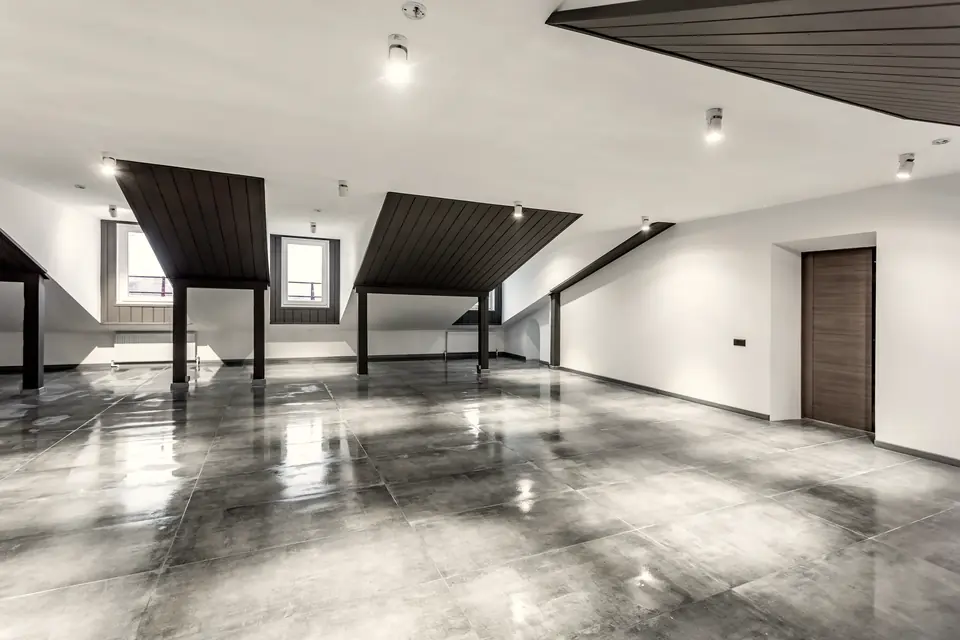
Large attic-style room with a reflective gray and charcoal metallic epoxy floor and dark wood beams

A floor worth stepping back to look at

Metallic epoxy turns a plain slab into the centerpiece of a room. Each pour is worked by hand, so the movement in your floor will be yours alone.

How metallic epoxy works

A look at finishes and settings, from full-flake garages to reflective commercial floors. Select any image to see it larger.

Full-flake garage
Metallic finish
Warehouse floor
Desert flake blend
Commercial gloss
Outdoor coating
Showroom floor
Lobby metallic
Service bay striping
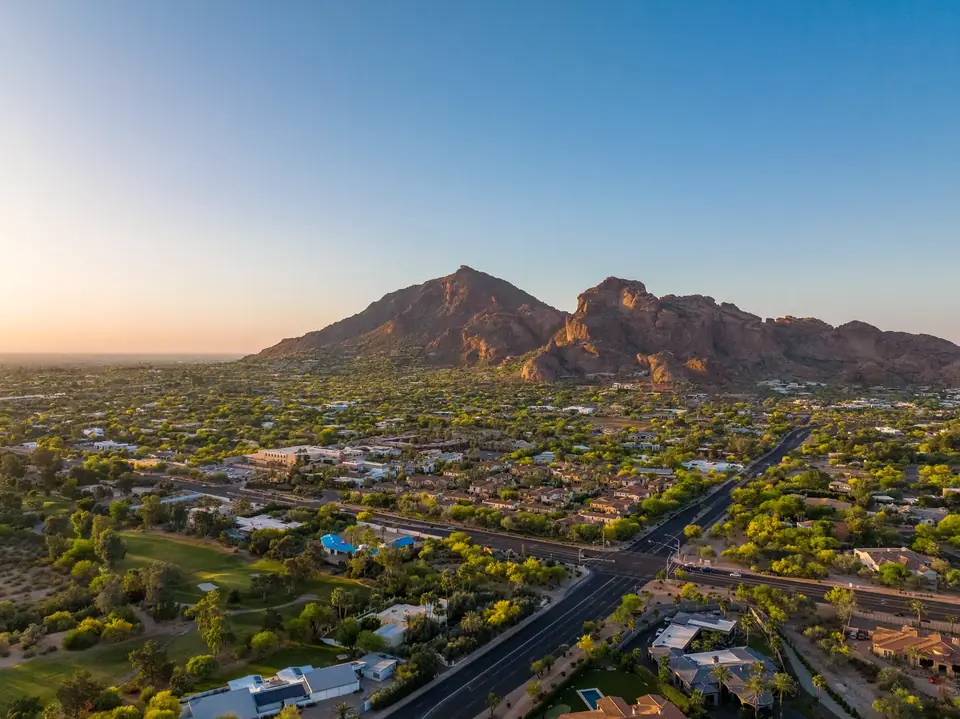
Camelback Mountain at sunrise above Phoenix neighborhoods

Service areas around Phoenix

We work throughout Phoenix and across the Valley, from older central neighborhoods with slabs that have decades of history to brand-new builds in the West Valley and the far Southeast. Newer construction often means a cleaner slab but tighter HOA timelines; older homes tend to bring sealers, paint and repairs to deal with first. Both are routine.

If your city isn't listed, ask anyway. Larger commercial and industrial projects often take us farther out.

Frequently asked questions

Short answers to what homeowners and business owners ask us most. Still wondering about something? Ask during your estimate.

How long does an epoxy garage floor last in Phoenix?

A properly prepared, multi-coat system in a residential garage commonly lasts well over a decade, and many go much longer with ordinary care. The two biggest variables are prep and topcoat. A floor that was diamond-ground and finished with a UV-stable topcoat will age very differently from one that was acid-washed and rolled with a single coat of epoxy paint.

Heavy hot-tire traffic, dragging equipment, and direct afternoon sun through an open door all shorten service life. We talk through those conditions during the estimate so the system matches how the garage is actually used.

Will the coating peel when hot tires park on it?

Hot-tire pickup happens when tire rubber, softened by heat, bonds to a weak coating and lifts it when the car pulls out. It is almost always a sign of thin product, poor adhesion, or both. Grinding the slab open and using a primer that penetrates the concrete, followed by a full-build base coat and a hard topcoat, is the reliable way to avoid it. In Phoenix, where tires come off 115°F asphalt, we treat this as a baseline requirement rather than an upgrade.

Can you coat a floor during the summer?

Yes, with adjustments. Heat shortens working time, so summer installs usually start early in the morning, mixes are smaller, and slab temperature is checked before each coat rather than assumed. Monsoon humidity matters too: the slab needs to stay above the dew point while the coating cures, or the surface can blush and lose gloss. If conditions on the day are wrong, the right call is to wait.

What is the difference between epoxy and polyaspartic?

Epoxy builds thickness well, bonds strongly to prepared concrete and costs less per gallon, but it is not UV-stable and will amber with sun exposure. Polyaspartic cures much faster, resists UV yellowing and handles temperature swings well, but it gives the installer less working time. Many of the floors we recommend use both: an epoxy or polyaspartic base, then a polyaspartic topcoat that faces the sunlight.

Do you have to grind the concrete? Can't it just be cleaned and etched?

Acid etching can work on some slabs, but it is inconsistent: it does little against sealers, curing compounds or oil-soaked areas, and it leaves salts that need to be rinsed completely. Diamond grinding removes the weak top layer and produces a measurable profile across the whole floor. It is the step we are least willing to skip, because nearly every coating failure we are asked to look at traces back to prep.

How soon can we use the floor again?

It depends on the chemistry. Polyaspartic systems are usually ready for foot traffic within a few hours and for vehicles in roughly a day or two. Standard epoxy systems typically allow light foot traffic after about a day and vehicles after several days, with full chemical resistance taking about a week. Temperature changes all of these numbers, so you will get specific timing for your floor before work begins.

Is a coated floor slippery?

A smooth high-gloss coating can be slick when wet, which is why texture is part of the conversation. Flake floors are naturally grippier, and anti-slip aggregate can be added to the topcoat of any system. Patios, pool decks and commercial entries almost always get added texture; interior living spaces often do not need it.

Do you offer free estimates across the Valley?

Yes. Estimates are free throughout Phoenix and the surrounding communities listed on our service areas page. Use the estimate form or call (XXX) XXX-XXXX and we will set up a time to look at the slab.

Tell us about your floor

Share a few details and we will follow up to schedule a visit. Photos of the slab are helpful, but not required. Every estimate includes a look at the concrete and a recommendation you can compare against other quotes line by line.

  • On-site look at the slab before any price is final
  • Written scope that spells out prep, system and coat count
  • Straight answers on cure times and when you can drive on it

Prefer to talk? Call (XXX) XXX-XXXX

Request a free estimate

We use your details only to reply about your project. See our privacy policy.

Call