Epoxy, polyaspartic and concrete coatings across Phoenix and the Valley

Call (XXX) XXX-XXXX

Concrete floor coatings that protect the slab you already have

Not every floor needs flake or metallic. Sometimes the goal is simply to stop a slab from dusting, staining and wearing, with a finish that looks clean and costs sensibly. That is what this range of coatings is for.

Call (XXX) XXX-XXXX
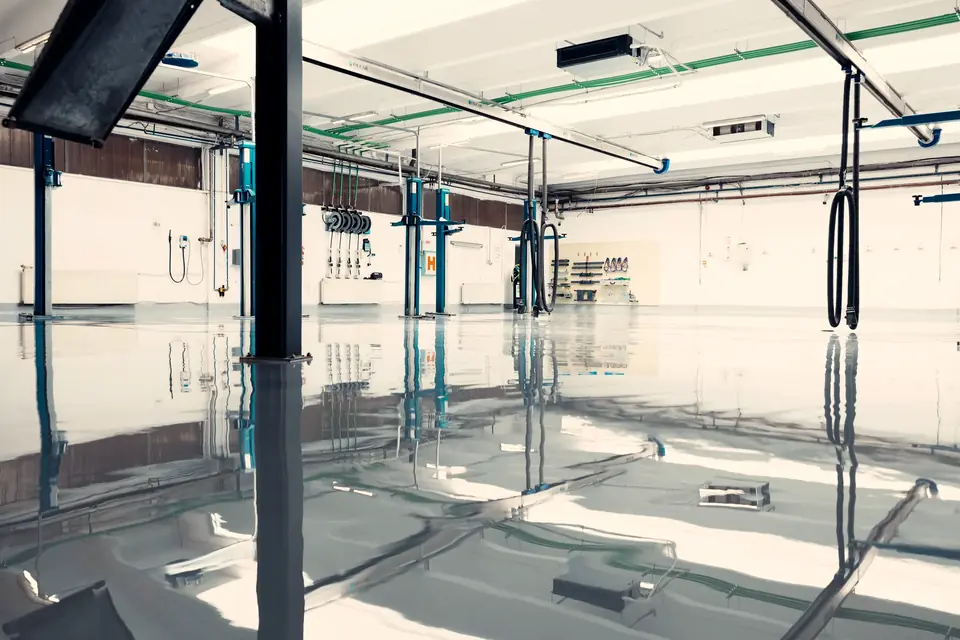
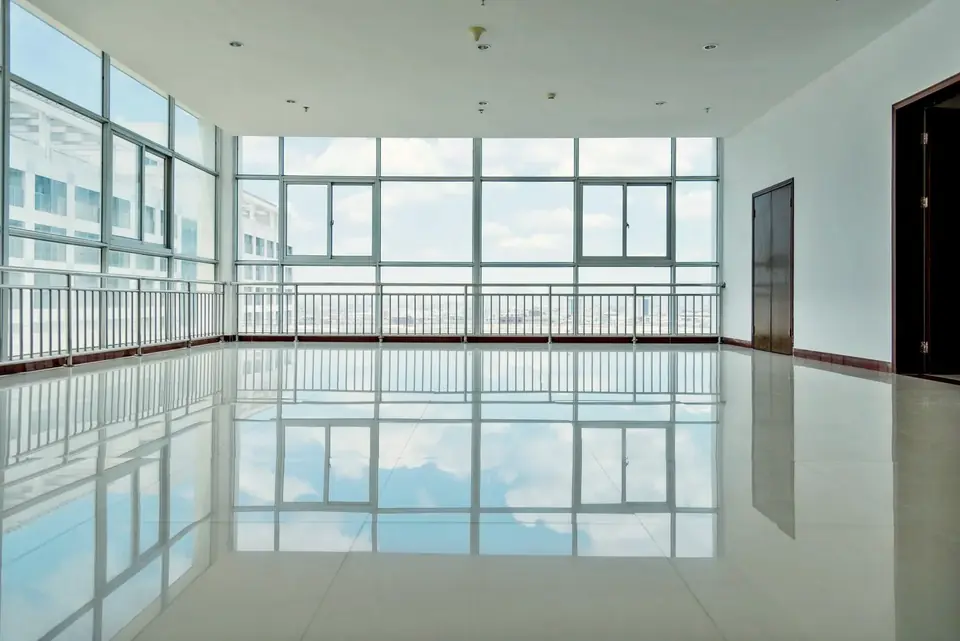
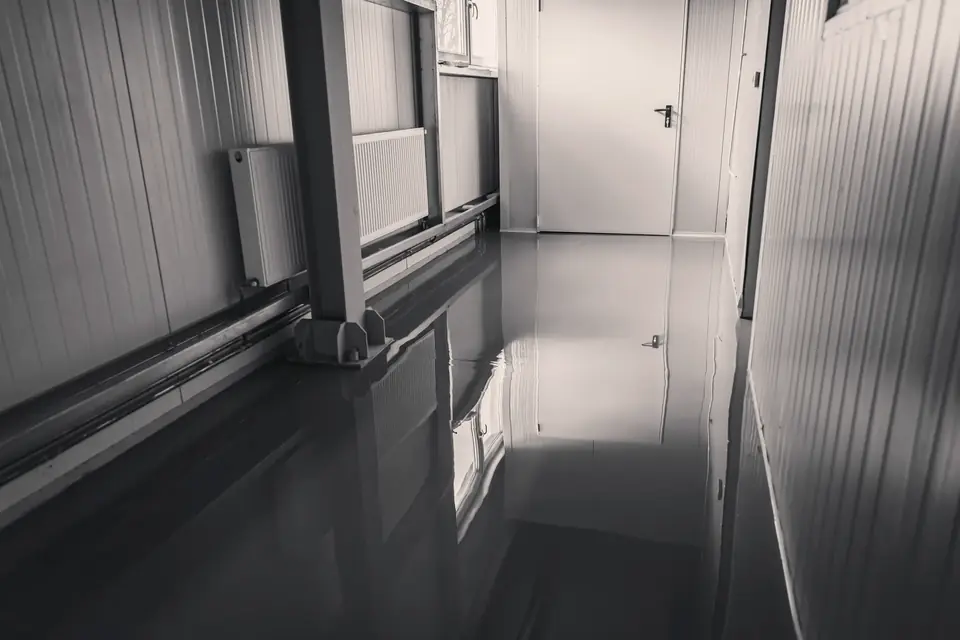
Long institutional corridor with a light, glossy coated concrete floor
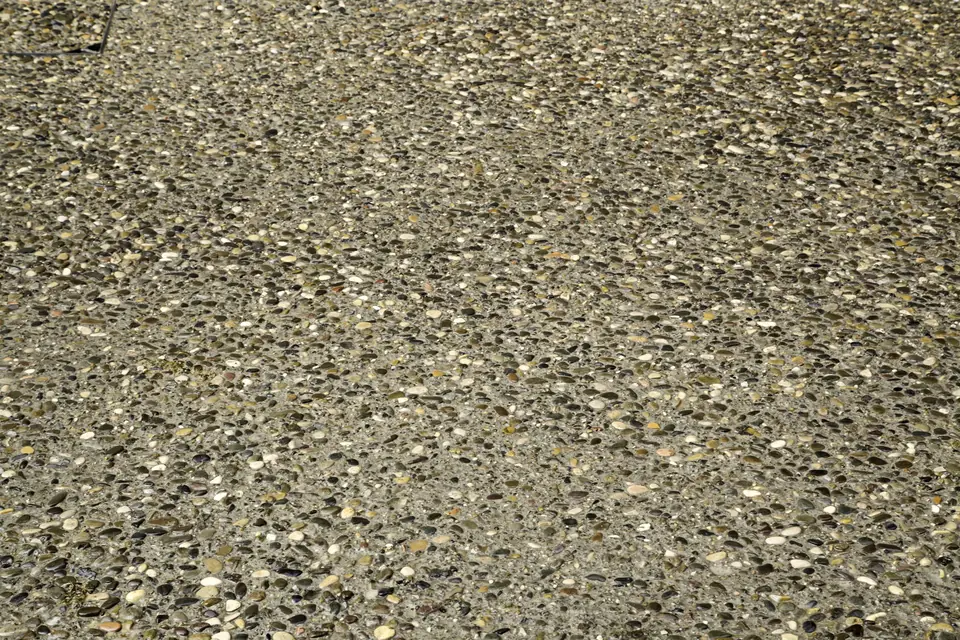
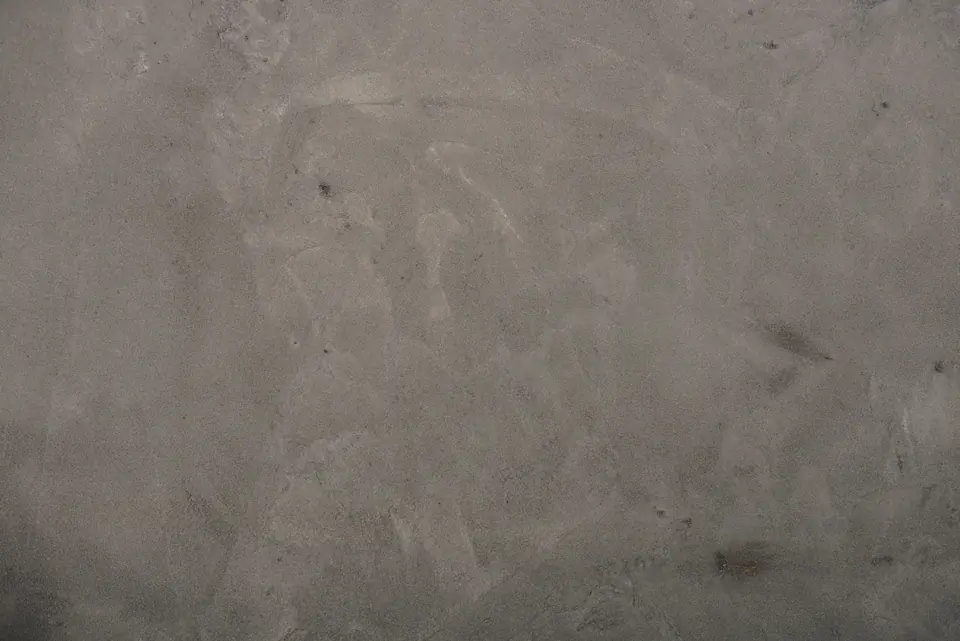
Gray concrete surface texture
Options
Penetrating sealers, clear coats, solid color, quartz
Good for
Storage, utility areas, shops, basements, offices
Goal
Protection, cleanability and a tidy finish

Why bare concrete benefits from a coating

Concrete looks tough, but its surface is porous and relatively soft. Unprotected, it absorbs oil and drinks, sheds fine dust as the surface paste wears, and picks up stains that never fully come out. In a dry, dusty climate, a dusting slab also becomes one more source of grit tracked through a home or business.

A coating or sealer changes that. Penetrating sealers harden and densify the surface and reduce absorption without changing the look much. Film-forming coatings create a separate wear layer on top, which can be clear, tinted or a solid color. The choice depends on how much protection you need, how you want the floor to look and what the slab will be exposed to.

Sealers versus coatings

Both protect concrete. They do it in very different ways.

TypeHow it worksAppearanceBest uses
Penetrating sealer or densifierSoaks into the pores and reacts or lines them; no surface filmNearly invisible; natural concreteDriveways, outdoor slabs, polished or ground concrete
Acrylic sealerThin surface filmWet look or satin; enhances colorDecorative and stamped concrete; needs periodic reapplication
Clear epoxy or urethaneThicker film over ground concreteGloss or satin over natural concreteInteriors, studios, light commercial
Solid-color epoxy systemPrimer plus pigmented body coat and topcoatUniform colorShops, storage, utility rooms, back-of-house
Quartz broadcast systemColored quartz sand broadcast into resin and sealedGranular texture, blended colorWet areas, restrooms, kitchens, ramps

Finish options in this range

Solid light gray coated workshop floor

Solid color

A clean, uniform color in gloss or satin. Ideal for workshops, storage rooms and commercial support areas where you want brightness and easy cleaning without a decorative pattern. Line striping and zone colors fit naturally into solid systems.

Textured concrete surface with exposed aggregate

Quartz and textured systems

Colored quartz broadcast into the resin gives a durable, slip-resistant surface with a subtle granite look. It is a good choice anywhere water is common, from laundry rooms to restaurant restrooms.

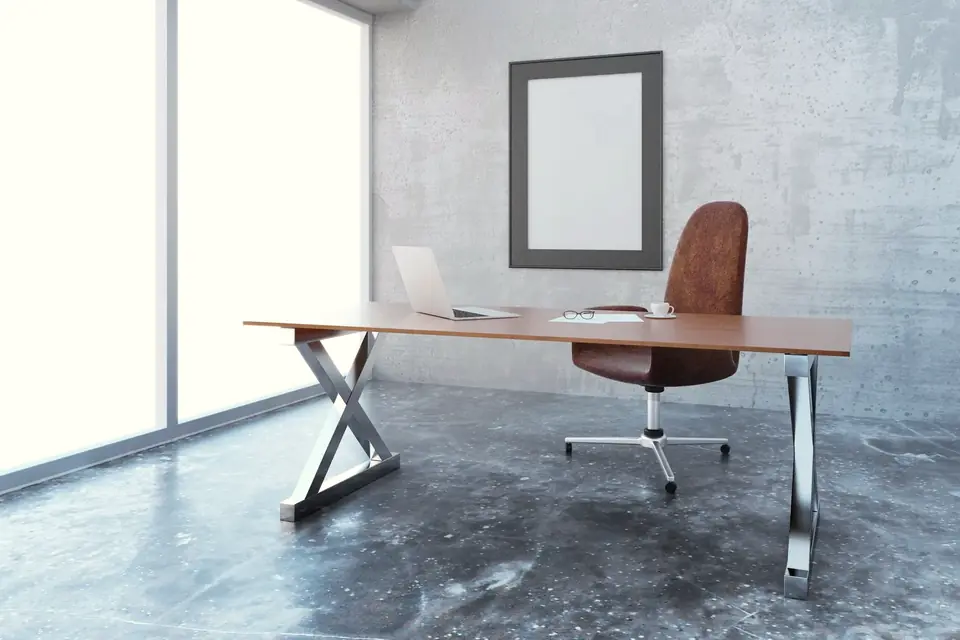
Office with natural gray concrete floor

Clear over ground concrete

Grinding and sealing the slab keeps the honest character of the concrete, including its color variations and history. Works best on slabs that are in good condition and free of major patches.

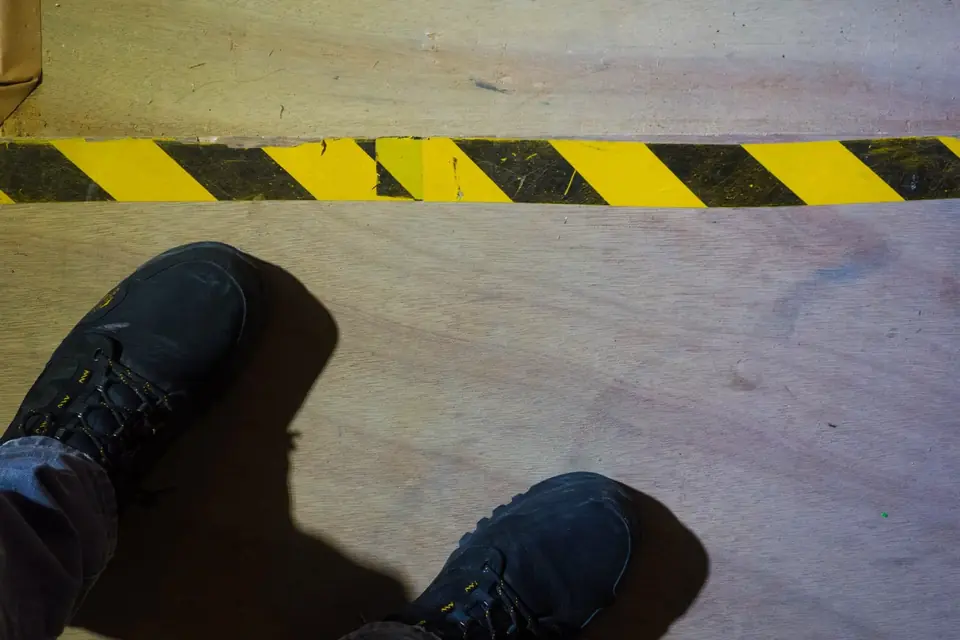
Floor with yellow and black hazard striping

Markings and zones

Walkways, parking stalls, equipment outlines and hazard stripes can be built into a coating so they wear at the same rate as the rest of the floor.

What Phoenix concrete needs protecting from

Close-up of worn gray concrete
Surface dusting

Weak surface paste wears into fine powder that is tracked around. Densifiers and coatings stop the wear at its source.

Efflorescence

White, chalky deposits from salts carried up through the slab. They need to be removed and the moisture source considered before a coating goes down.

Oil, rust and fertilizer stains

Unsealed concrete absorbs these quickly. A sealed surface lets you wipe them away.

Sun and heat

UV breaks down some sealers and yellows epoxy. Outdoor and sun-exposed areas need UV-stable products.

Hard water and pool chemicals

Mineral spotting and chlorine both etch and stain bare concrete over time.

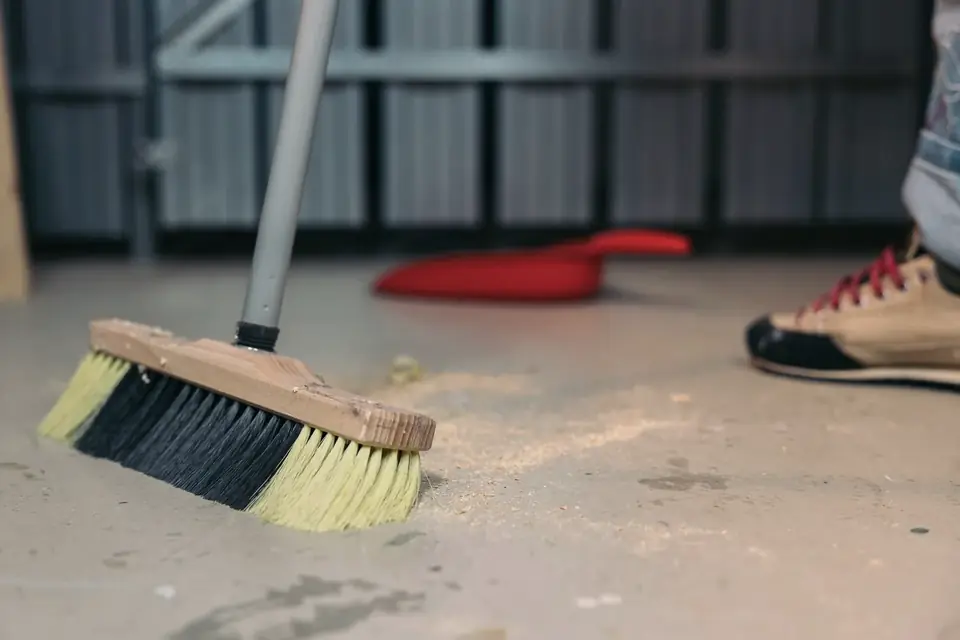
Worker sweeping dust from a concrete floor before coating

Choosing the level of protection

We usually frame the decision around three questions. How hard will the floor be used? How much does appearance matter? And how much maintenance are you willing to do over the years?

A storage room that sees occasional foot traffic might only need a penetrating sealer. A busy workshop benefits from a solid-color system with a tough urethane topcoat. A restaurant restroom needs texture and a seamless cove. Each of these costs differently, and the most expensive option is not automatically the right one.

Whatever the system, preparation still comes first. Even a clear sealer performs better on a properly cleaned and profiled slab, and film-forming coatings require grinding to bond reliably.
Our approach to a coating project

  1. Understand the use

    Traffic, chemicals, cleaning and appearance goals shape every recommendation.

  2. Assess the slab

    Moisture, hardness, existing sealers and damage are checked before choosing products.

  3. Prepare properly

    Cleaning, grinding and repair matched to the coating type and manufacturer requirements.

  4. Apply the system

    Primer, body coats and topcoat or sealer applied at the coverage rates the system needs.

  5. Cure and inspect

    Walkthrough, return-to-use timing and care instructions specific to the coating.

  6. Plan for upkeep

    Sealers and topcoats can be refreshed in place before the floor wears through.

Grind-and-seal: when the concrete itself is the finish

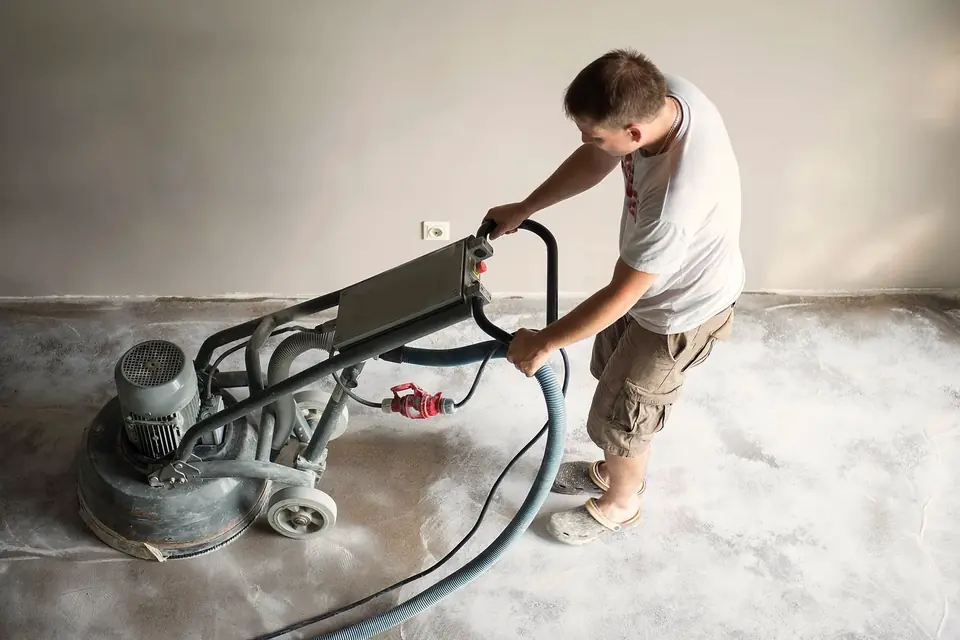
A growing number of homeowners and businesses want the honest look of concrete without the dust and staining that come with leaving it bare. Grind-and-seal is the usual answer. The slab is diamond-ground to remove the weak surface paste and reveal a cleaner, more even texture, then densified and sealed with a clear coating that protects without hiding the concrete underneath.

The level of grinding changes the look. A light grind keeps the cream finish of the original surface and exposes very little aggregate. A deeper grind cuts into the slab and reveals the sand and small stone within it, which gives a speckled, salt-and-pepper appearance. Going further still exposes larger aggregate, closer to a terrazzo look. Each step removes more material and takes more time, and the slab you have decides how far it is sensible to go.

The trade-off is honesty. Grind-and-seal floors show the slab as it is, including old patches, plumbing trenches, cracks and color variation from the original pour. Some owners love that character; others find it distracting. If your slab carries a lot of history, a tinted or solid-color system may be the better route, and we will show you both options on your floor before you decide.

Clear finishes still need the right chemistry. Indoors, a clear epoxy or urethane gives depth and gloss. Where sunlight reaches the floor, a UV-stable topcoat keeps the clear layer from ambering over time.

Maintenance is part of the decision

Every protective system has a maintenance rhythm. Penetrating sealers are low-effort but need periodic reapplication. Film-forming coatings need little attention day to day, and when traffic lanes start to dull, a fresh topcoat restores them without starting over. Planning that cycle up front avoids surprises and keeps the floor looking consistent for years.

Coatings for utility and service spaces

Some of the best uses for simple concrete coatings are rooms nobody shows off: pool equipment rooms, water heater closets, storage units, workshops and building service corridors. These spaces tend to collect dust, leaks and spills, and bare concrete absorbs all of it. A primer and solid-color coating, or even a hard penetrating sealer, makes them dramatically easier to keep clean and helps you spot leaks before they cause damage.

Because appearance matters less in these rooms, the system can be chosen purely for performance and budget. We often recommend a light color to make the space brighter and leaks more visible, a modest texture where water is common, and a coved edge where the floor meets the wall.

Questions we hear about concrete floor coatings

What is the cheapest way to protect a concrete floor?

A penetrating sealer or densifier is typically the most economical. It reduces dusting and absorption but does not provide a wear layer or hide stains the way a coating does.

How often do sealers need to be reapplied?

It varies by product and exposure. Acrylic sealers on outdoor concrete often need refreshing every few years, while penetrating sealers and high-performance coatings last considerably longer.

Can you match a specific color?

Solid-color systems can usually be tinted to match or closely approximate a brand or design color. We will show you a sample on the actual floor before full application.

Will a coating hide stains in my concrete?

Solid-color and flake systems hide stains completely. Clear coats and sealers do not; they protect the slab as it is, so existing marks stay visible.

Do you seal stamped or decorative outdoor concrete?

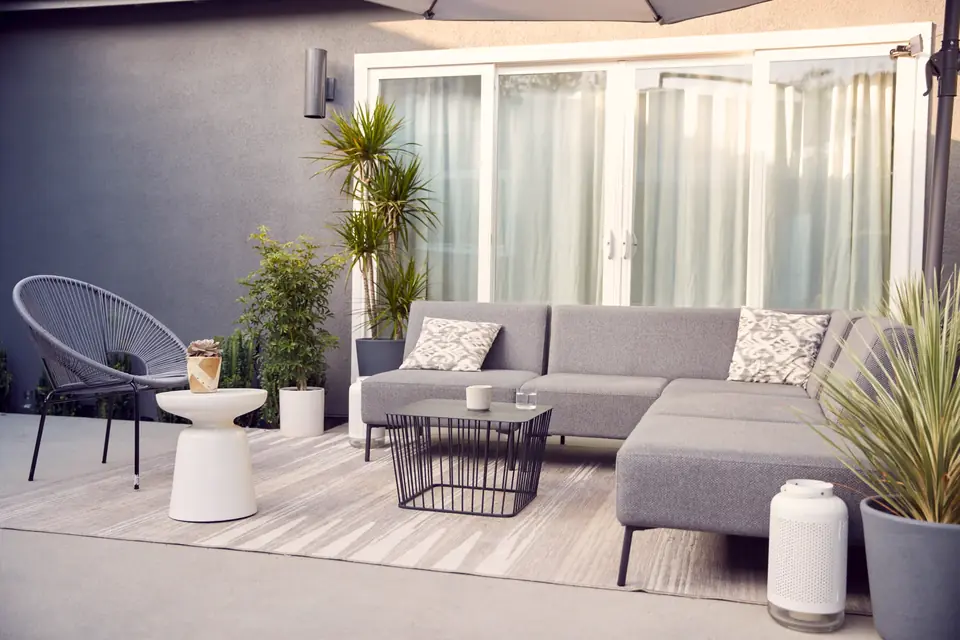
Yes. Outdoor decorative concrete usually gets a UV-resistant sealer suited to the surface. See our patio and concrete coatings page for outdoor options in more detail.

Can you color concrete without a thick coating?

Yes. Penetrating stains and dyes can add color to ground concrete before it is sealed, and tinted sealers add a light wash of color. These look more natural and variable than a solid coating, which is part of their appeal.

Is a coated concrete floor a good choice for a basement or below-grade room?

Below-grade slabs are more likely to carry moisture, so testing is essential before choosing a product. Where readings are acceptable, coatings work well and brighten the space. Where they are high, a moisture-tolerant primer or a breathable sealer is the safer route.

Will sealing my concrete make it slippery?

Some glossy sealers can make smooth concrete slicker when wet. Penetrating sealers barely change the texture, and anti-slip additives can be mixed into film-forming sealers and coatings where traction matters.

Protect the slab you have

Tell us about the floor and how it is used. We will recommend the simplest system that does the job and explain what each option costs and requires.

  • On-site look at the slab before any price is final
  • Written scope that spells out prep, system and coat count
  • Straight answers on cure times and when you can drive on it

Prefer to talk? Call (XXX) XXX-XXXX

Request a free estimate

We use your details only to reply about your project. See our privacy policy.

Call