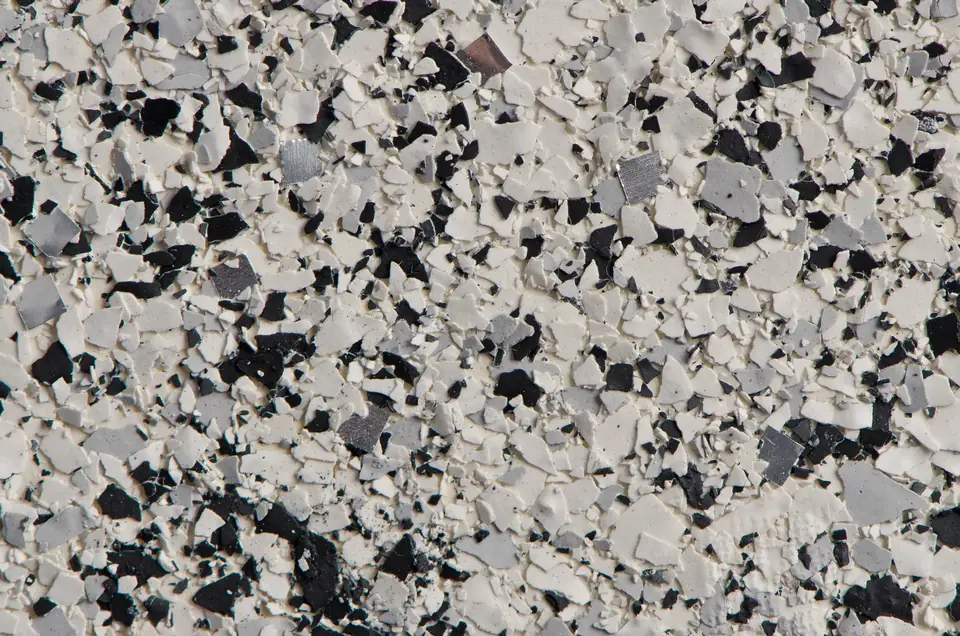
Full-broadcast flake
Our default recommendation. Chips cover the entire base coat, giving texture for grip and a pattern that hides dust, water spots and tire marks. Dozens of blends, from cool grays to warm desert tones.
Flake systemsTell us about your floor
A few details are enough to start. We'll follow up to talk through the slab, the system options and a time to see the space.
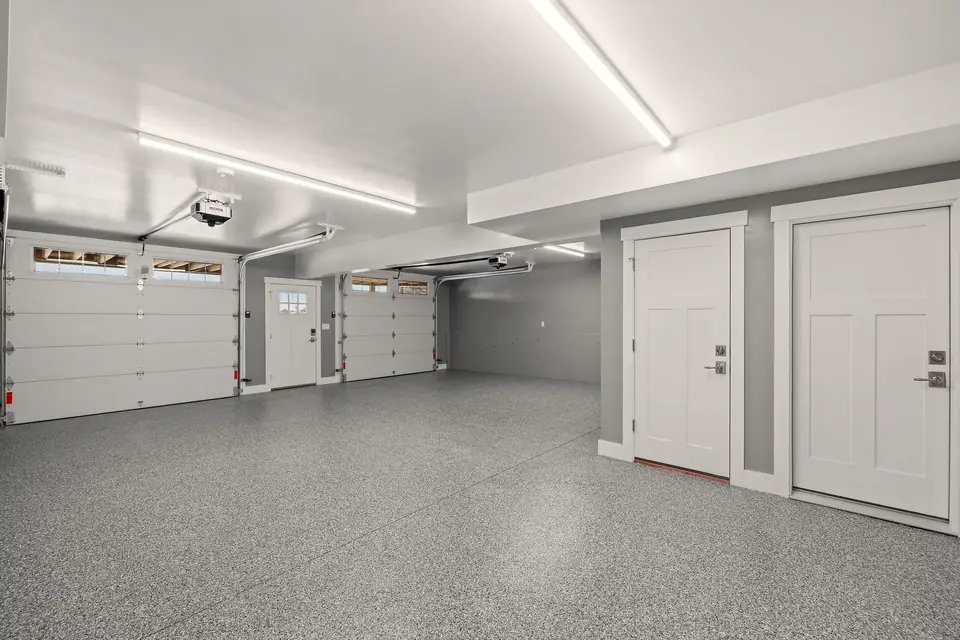
Hot tires off 115-degree asphalt, monsoon dust, pool chemicals and afternoon sun through an open door. A Valley garage floor sees all of it. We build garage systems around those conditions, starting with a properly ground slab.
In a lot of Phoenix houses, the garage is the main entrance. It is where groceries come in, where the pool supplies live, where the second fridge hums and where the car sits after a drive across town in July. It is also the one room most likely to be left with bare concrete, which means it collects every oil drip, rust ring and tire mark from the life of the house.
A coated garage floor changes how the space works. It sweeps clean instead of shedding dust, spills wipe up instead of soaking in, and the brighter surface makes the whole room feel less like storage. Many owners tell us the garage stops being a place they rush through.
The catch is that garage floors fail more often than any other coated floor, and almost always for the same reasons: thin product, poor prep and a topcoat that was never meant to see sunlight or hot rubber. Those are the exact problems a professional system is designed to prevent.
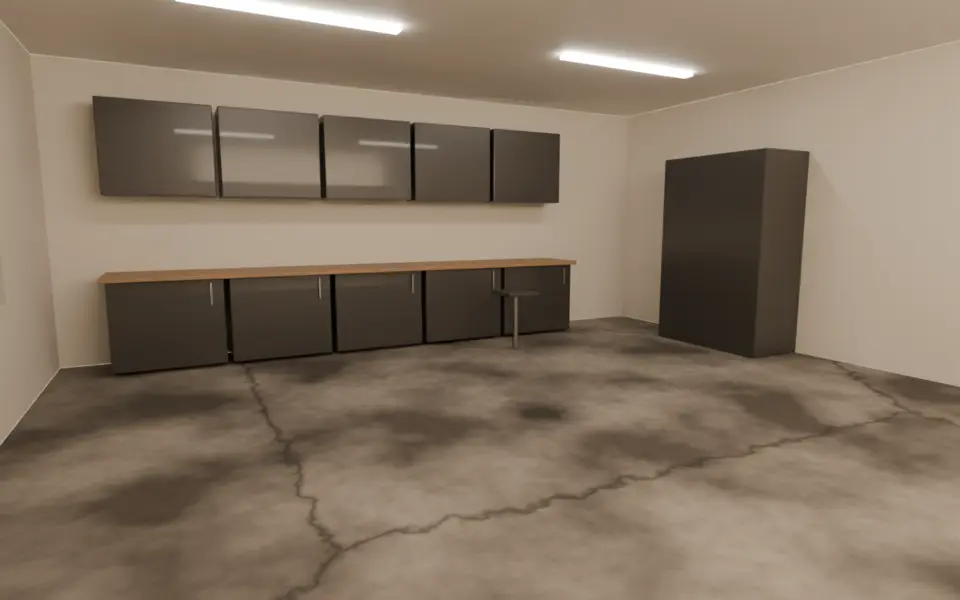
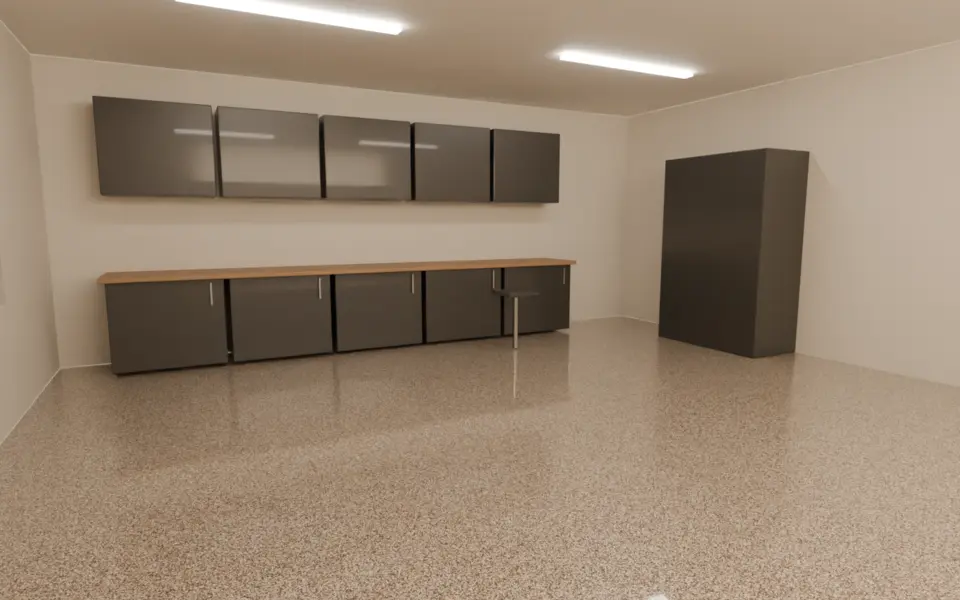
Drag the slider on this rendered two-car garage to see a stained, cracked slab become a full-flake floor. The photo pairs below show similar garages before and after coating.
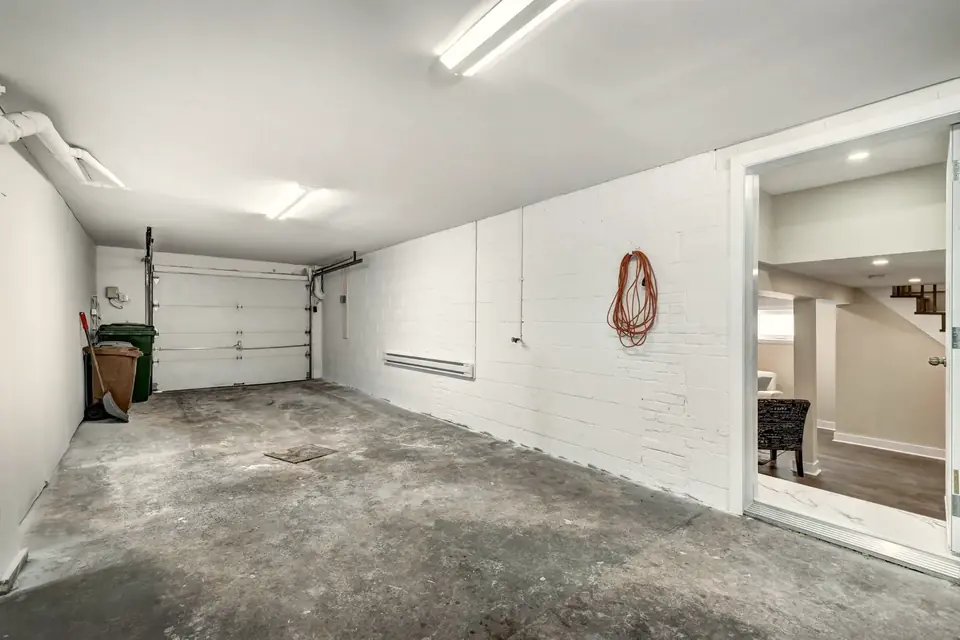 BeforeAfter
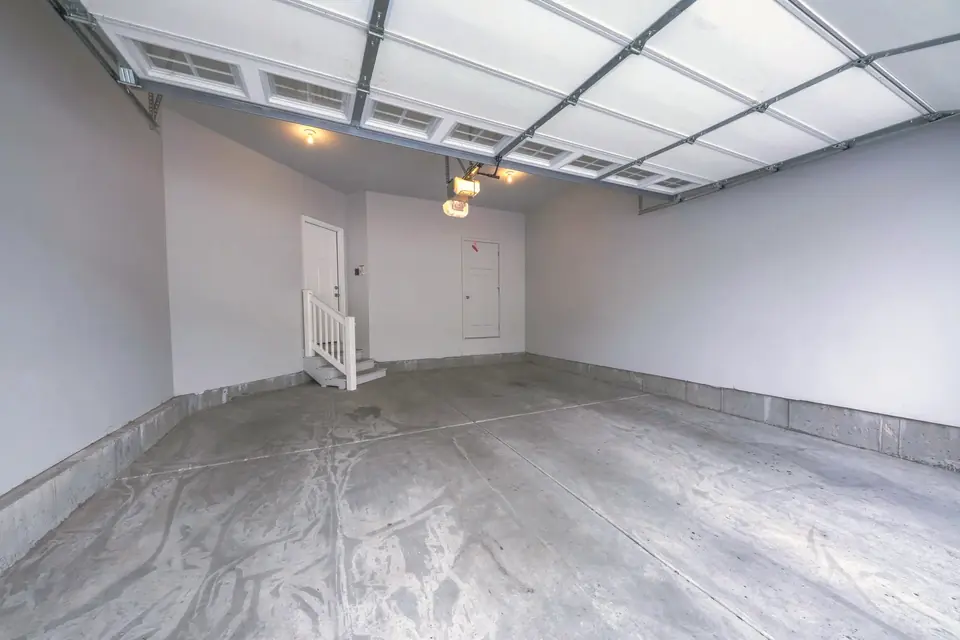 Before
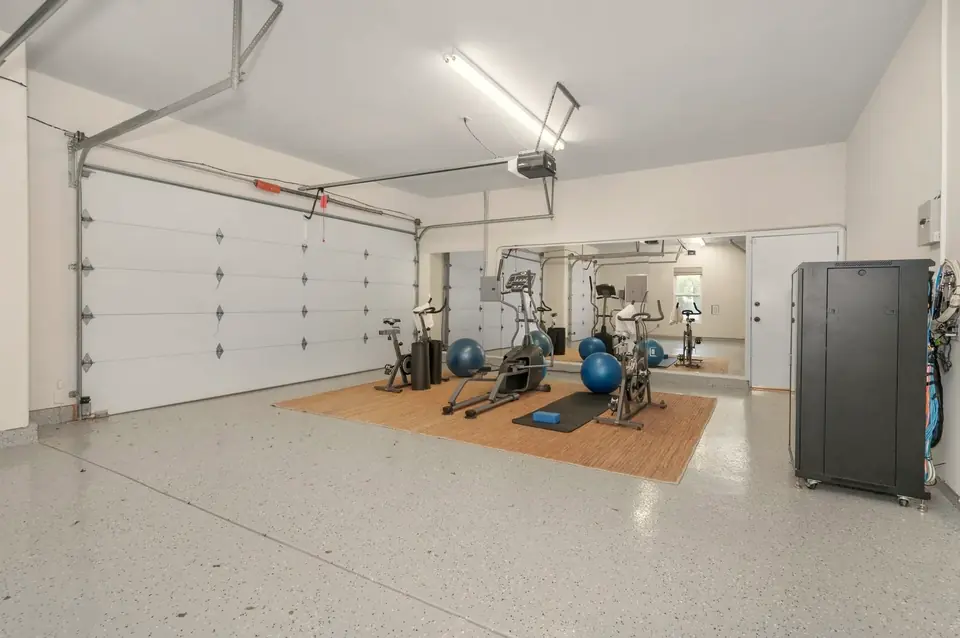 After
Comparison images are representative examples (licensed stock photography and rendered illustrations) and are not presented as completed projects of ours.
All of these start with the same diamond-ground prep. What changes is the look, the texture and how forgiving the finish is with daily use.
Our default recommendation. Chips cover the entire base coat, giving texture for grip and a pattern that hides dust, water spots and tire marks. Dozens of blends, from cool grays to warm desert tones.
Flake systems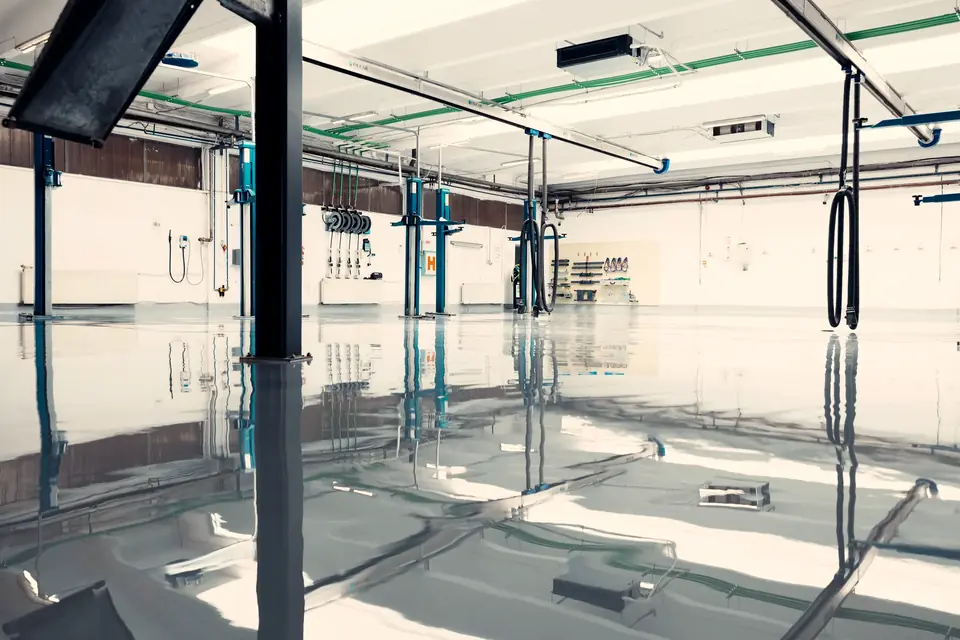
A clean, uniform finish that suits workshops and minimalist garages. It shows dust more readily than flake, so many owners pair it with a light anti-slip texture in the topcoat.
Solid coatings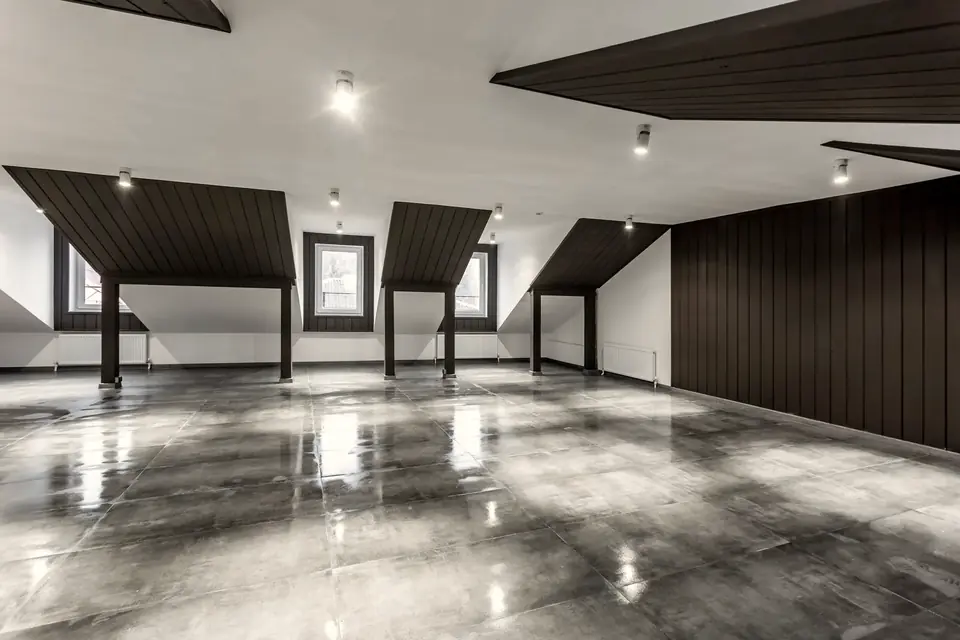
For collector cars and showpiece garages. Stunning, but less forgiving: it shows scratches and dust more, needs a flat slab and takes longer to cure before parking.
Metallic floorsUnderstanding what breaks garage floors here is the easiest way to see why we build them the way we do.
Tires that have been rolling on hot asphalt soften and can grip a weak coating so hard that it lifts when the car backs out. The cure is adhesion and hardness: a ground slab, a penetrating primer, a full-build base and a hard topcoat.
The first several feet inside the door get direct afternoon sun. Standard epoxy ambers there first, which leaves a visible line. Polyaspartic topcoats are UV-stable and keep the color even.
Fine desert grit is abrasive. Flake hides it between sweeps, and an abrasion-resistant topcoat keeps it from dulling the finish where you walk most.
Pool acid, chlorine, fertilizer, coolant and hard-water spotting from car washing. A cured topcoat shrugs off most of these if they are wiped up rather than left to sit.
Garage slabs see wide temperature swings and often have shrinkage cracks. We repair cracks and treat control joints so they can still move without tearing the coating.
Not every garage needs all of these. They are the add-ons people most often ask about once they see a finished floor.
This is the usual flow for a two- or three-car garage with a polyaspartic flake system. Epoxy systems take an extra day or two for cure between coats.
The garage is emptied, walls and doors are masked, and the weather seal is protected from overspray and grinding dust.
Dust-controlled diamond grinding, with crack and spall repair ground flush. Edges get hand tools so the profile reaches the walls.
The pigmented base goes down in sections and flake is thrown into it until it will not accept more.
Loose chips are scraped and vacuumed, then the clear topcoat is rolled on, with texture added if chosen.
We check the floor together and confirm timing for walking, moving storage back and parking.
Avoid dragging heavy items and leaving standing water during full cure; after that, normal garage life resumes.
Most garage floors need very little. Blow off or dust-mop grit regularly, because sand is the main thing that wears a topcoat. For a deeper clean, a pH-neutral cleaner and a soft deck brush or mop are enough; rinse and squeegee toward the door.
Put a mat under the area where you step out of the car if you carry in a lot of dirt, and set furniture pads under heavy cabinets and tool chests. Wipe up pool chemicals, battery acid and brake fluid when they spill rather than leaving them overnight. Avoid citrus degreasers and acidic cleaners sitting on the surface for long.
If a heavy item gouges the floor years from now, flake systems can be spot-repaired and topcoated; solid and metallic floors are harder to patch invisibly. That is one more reason flake is the most practical choice for a working garage.
Empty the garage completely, including shelving that sits on the floor, and plan where cars will park for a couple of days. Disconnect anything plugged into floor-level outlets. If the water heater or HVAC equipment sits in the garage, we work around it and protect the base. Let us know about sprinkler controllers, freezers or pets that need access, and we will plan the sequence around them.
Not usually. Even fast polyaspartic systems need time to reach enough hardness for vehicles, typically about a day or two depending on temperature. Epoxy systems generally need several days. You will get a specific time for your floor.
Yes. New slabs often have a smooth, dense surface paste and sometimes a curing compound that coatings do not bond to well. Grinding removes both. New concrete also needs time to cure before coating, commonly around 28 days.
Light staining usually grinds away. Deeply saturated spots may need degreasing, additional grinding or an oil-tolerant primer. We look closely at these during the estimate because they are a common source of later failures.
Full-broadcast flake has some natural texture, so it is less slippery than a smooth solid floor. If the garage sees pool traffic or wet shoes, anti-slip aggregate in the topcoat adds more grip.
A well-prepared, multi-layer system with a UV-stable topcoat commonly lasts well over a decade in a residential garage. Heavy use, dragging equipment and skipping basic cleaning shorten that; a properly built floor is designed to wear slowly rather than peel.
Yes, the floor needs to be clear wall to wall. If moving shelving and storage is a challenge, let us know at the estimate and we can plan for it.
Stem walls and steps can be included as an option. Coating them gives the garage a finished, wall-to-wall look and makes cleaning along the edges easier. We price them separately so you can decide.
Full-broadcast chip floors with custom blends and adjustable texture.
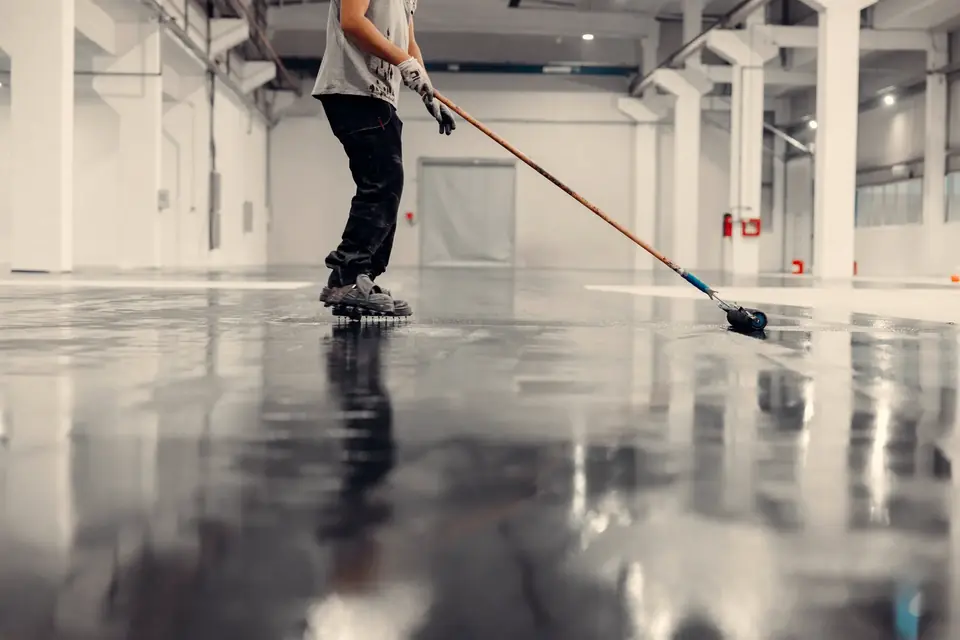
Fast-curing, UV-stable coatings and one-day garage systems.
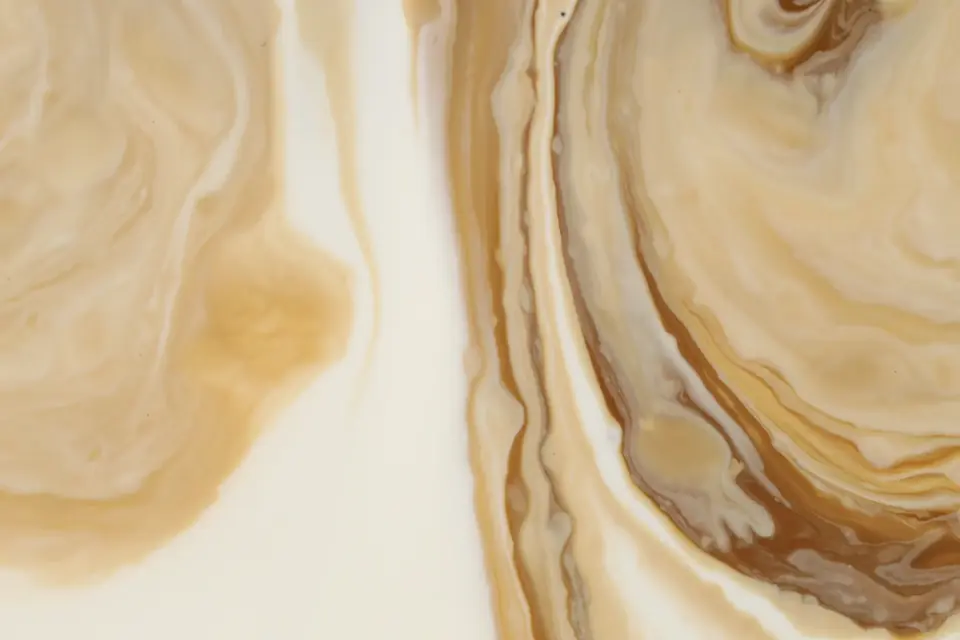
Hand-worked metallic floors in bronzes, pearls and charcoals.
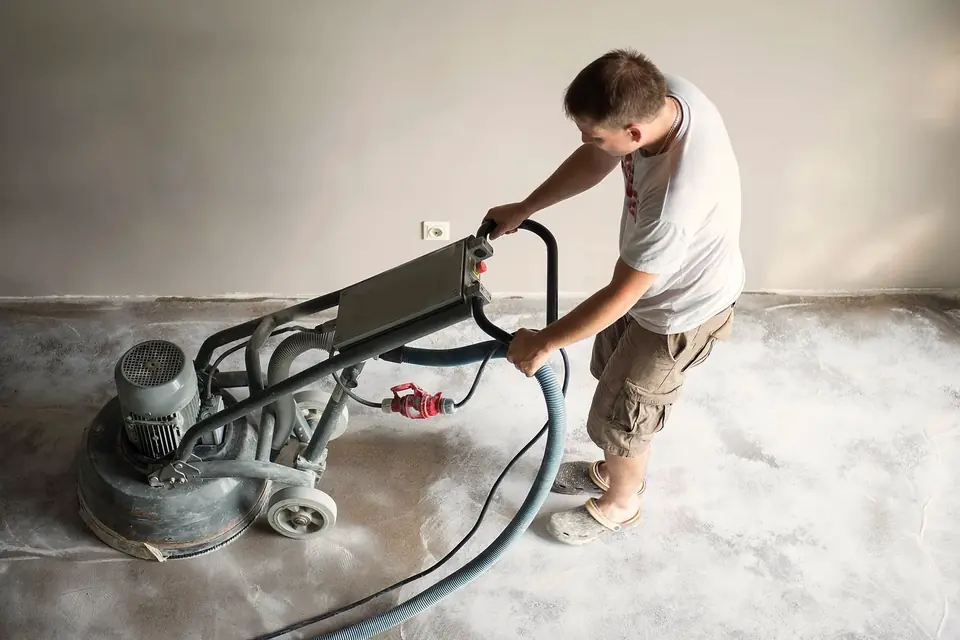
Diamond grinding, coating removal, crack and joint repair, moisture testing.
Send us the size of the garage and anything you know about the slab. We will look at it in person, bring flake samples and give you a written scope.
Prefer to talk? Call (XXX) XXX-XXXX