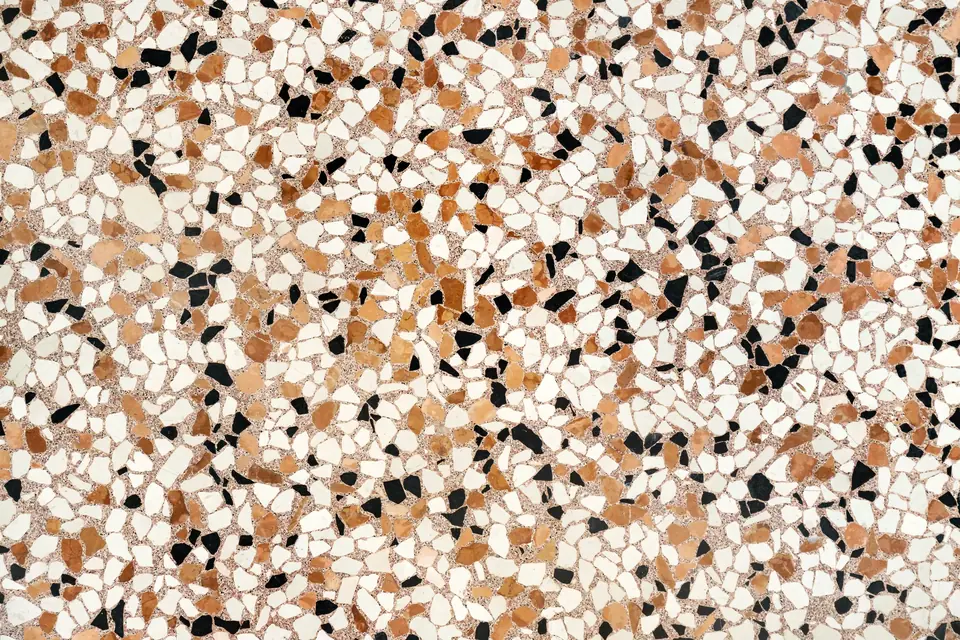
Decorative flake
Vinyl chips broadcast into a wet base coat and sealed. The texture adds grip and hides dust, which is why it dominates residential garages.
Flake floorsTell us about your floor
A few details are enough to start. We'll follow up to talk through the slab, the system options and a time to see the space.
Epoxy is a family of products, not one material. Which formula goes down, how thick, over what prep and under which topcoat decides whether a floor still looks right in ten summers or starts lifting in two.
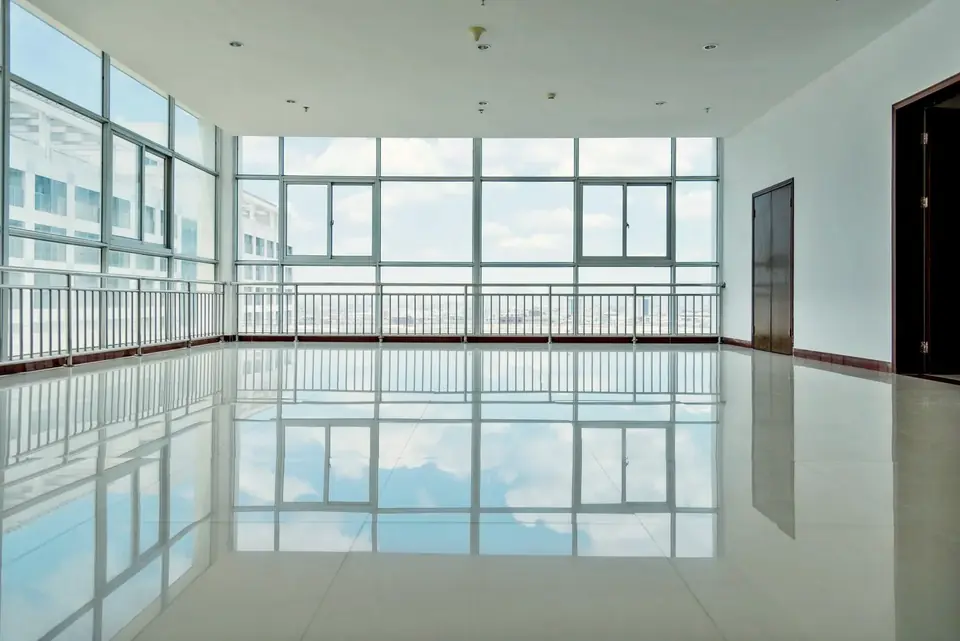
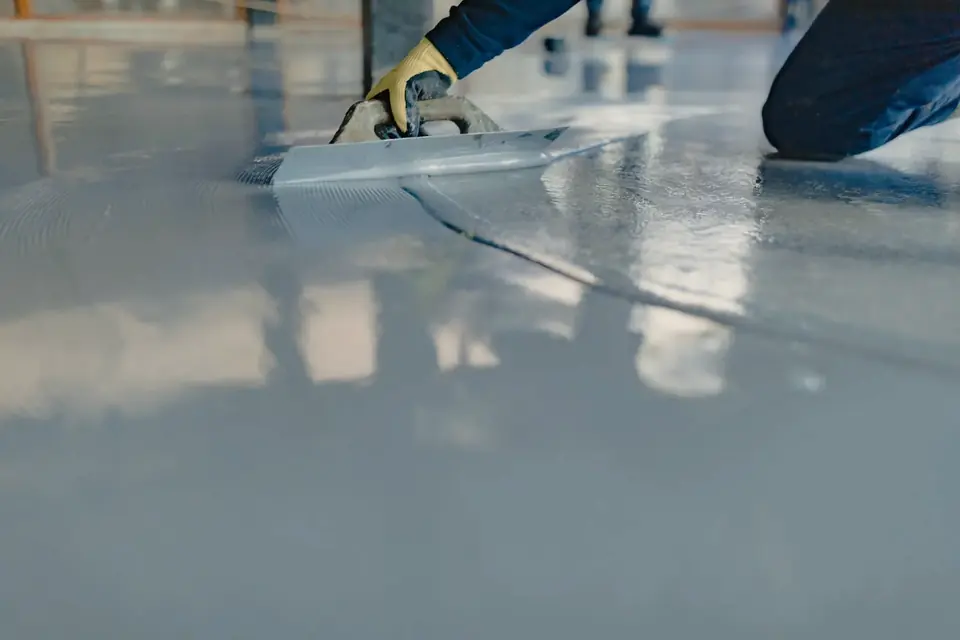
An epoxy floor is a two-part thermoset coating. A resin and a hardener are mixed on site, and the chemical reaction between them produces a hard plastic layer that bonds to the concrete underneath. Unlike paint, which dries as a solvent or water evaporates, epoxy cures. That reaction is what gives it strength, and it is also why mixing ratios, temperature and timing matter so much on installation day.
In practice, "epoxy flooring" is shorthand for a whole system. A typical floor has a primer that penetrates the prepared concrete, one or more body coats that build thickness and color, an optional decorative layer such as flake, quartz or metallic pigment, and a topcoat that takes the wear. Some of those layers are epoxy. Others, especially the top layer on floors that see sunlight, are better as polyaspartic or polyurethane.
So when you compare quotes, the useful questions are not just "is it epoxy?" but how the concrete will be prepared, what each layer is made of, how many coats there are and roughly how thick the finished system will be. Those details are where good floors and short-lived floors part ways.
Each formulation has a job. Most professional floors use more than one of them, layered for a specific purpose.
| Formulation | What it does well | Limitations | Where we use it |
|---|---|---|---|
| 100% solids epoxy | High build, strong adhesion, very low odor since there is nothing to evaporate | Short working time in heat; ambers in UV | Base and body coats, metallic floors, self-leveling systems |
| Penetrating epoxy primer | Low viscosity soaks into the ground profile and locks the system to the slab | Thin film; not a wear layer | First coat on most interior systems |
| Moisture-tolerant epoxy | Tolerates higher vapor emission from the slab than standard primers | Adds cost; still has limits | Older on-grade slabs, slabs without vapor barriers, industrial floors |
| Water-based epoxy | Breathable, easy to apply, low odor | Thin build, lower chemical and abrasion resistance | Light-duty areas and some sealers |
| Novolac epoxy | Higher chemical and acid resistance | More brittle; specialty pricing | Battery rooms, labs, chemical containment, some food areas |
The topcoat on garage, patio and sun-exposed floors is usually polyaspartic or aliphatic polyurethane rather than epoxy, because standard epoxy yellows when UV light reaches it.
The chemistry underneath can be similar. The look on top changes a lot.
Vinyl chips broadcast into a wet base coat and sealed. The texture adds grip and hides dust, which is why it dominates residential garages.
Flake floors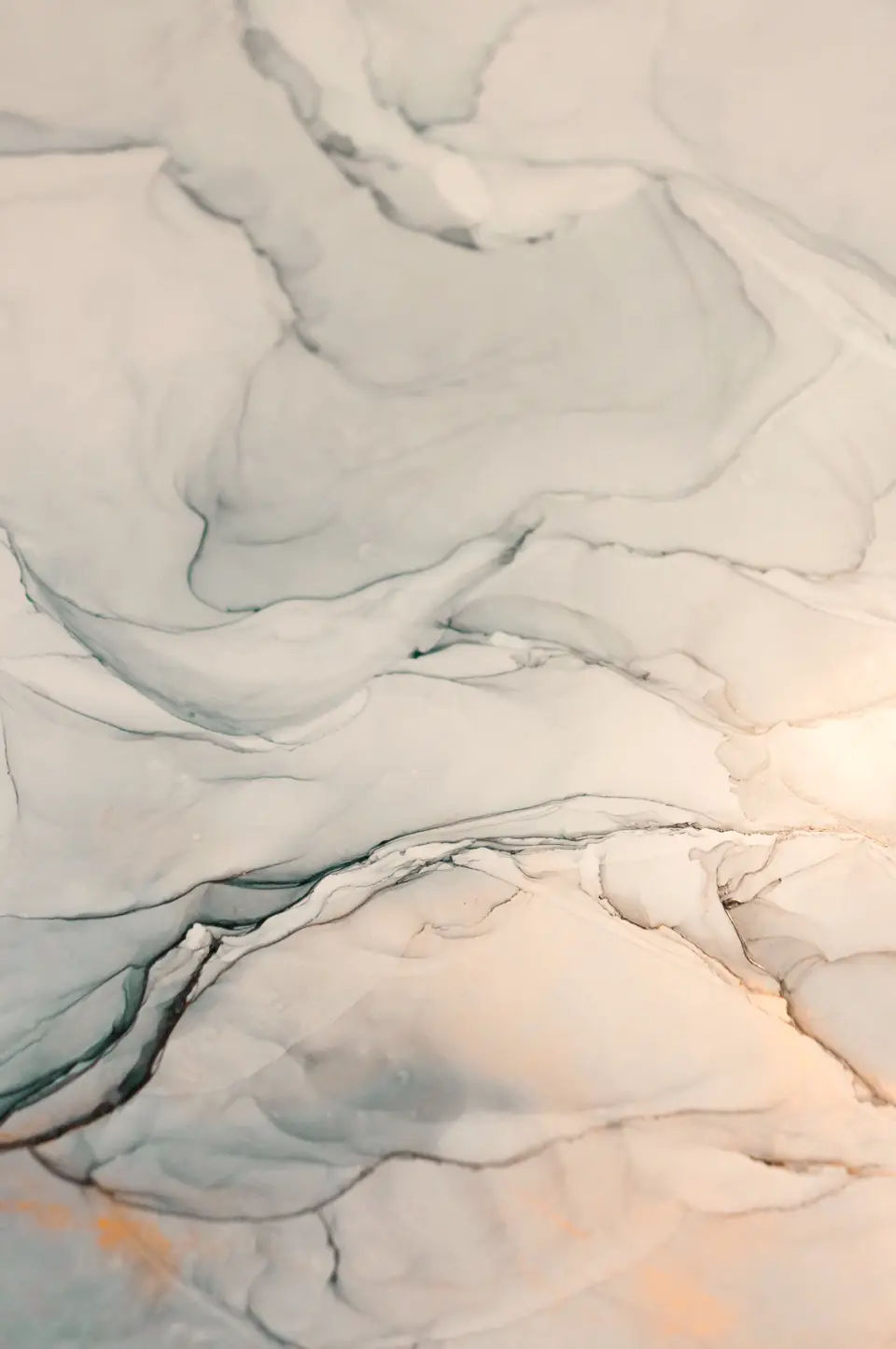
Metallic pigments in a clear, self-leveling body coat create depth and movement. Every floor is different, and it reads as a design feature.
Metallic floors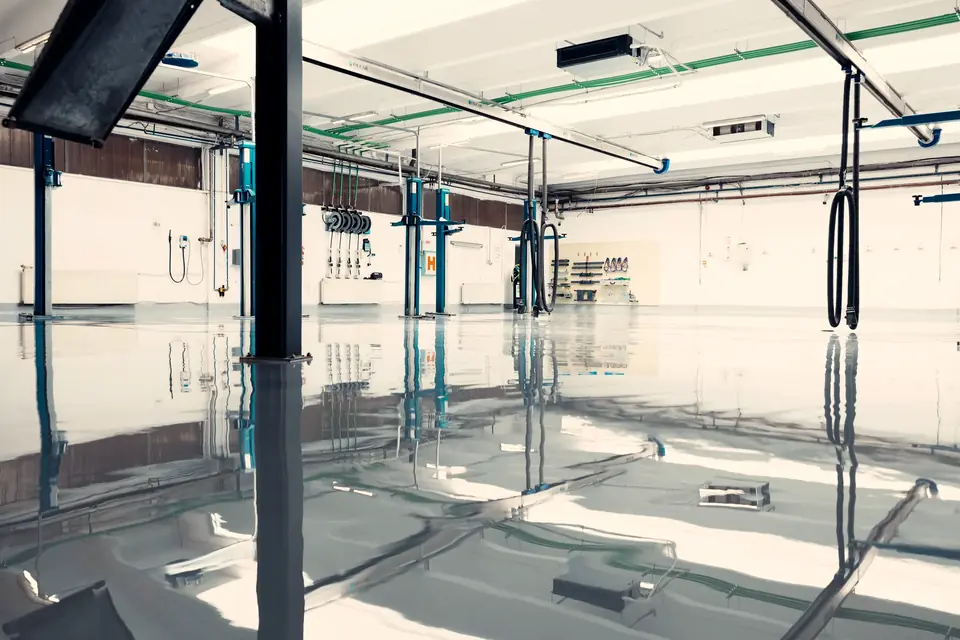
A clean, uniform look for shops, commercial back rooms and minimalist interiors. Easy to line-stripe and simple to keep consistent across large areas.
Concrete coatingsSwitch between three of our most common systems to see what each layer does. Thickness and coat count change with the space, but the logic stays the same: bond first, build second, protect last.
The most requested garage system in the Valley. Texture hides dust and gives tires something to grip.
Polyaspartic or polyurethane. Takes the UV, the scuffs and the chemicals.
Thrown to refusal, then scraped and vacuumed so only locked-in chips remain.
Epoxy or polyaspartic that the flake falls into while it is still wet.
Soaks into the ground profile and becomes part of the slab surface.
Diamond-ground to open the pores. Cracks and spalls filled before anything goes down.
A thicker, self-leveling build. More prep time and more cure time, and the result is one of a kind.
Protects the metallic layer from abrasion and UV yellowing.
100% solids epoxy with metallic pigment, worked by hand while it levels.
Sets the background color the metallic movement shows against.
Moisture-tolerant primer; cracks routed and filled flush.
Flat matters more here than anywhere: high spots telegraph through a metallic floor.
Faster cure and better UV stability than standard epoxy. Usually walkable the same evening.
UV-stable and non-yellowing. Cures in hours instead of days.
Same decorative options as an epoxy system.
Applied in smaller batches because it sets quickly, especially in summer heat.
Prep is identical. Fast chemistry never makes up for skipped grinding.
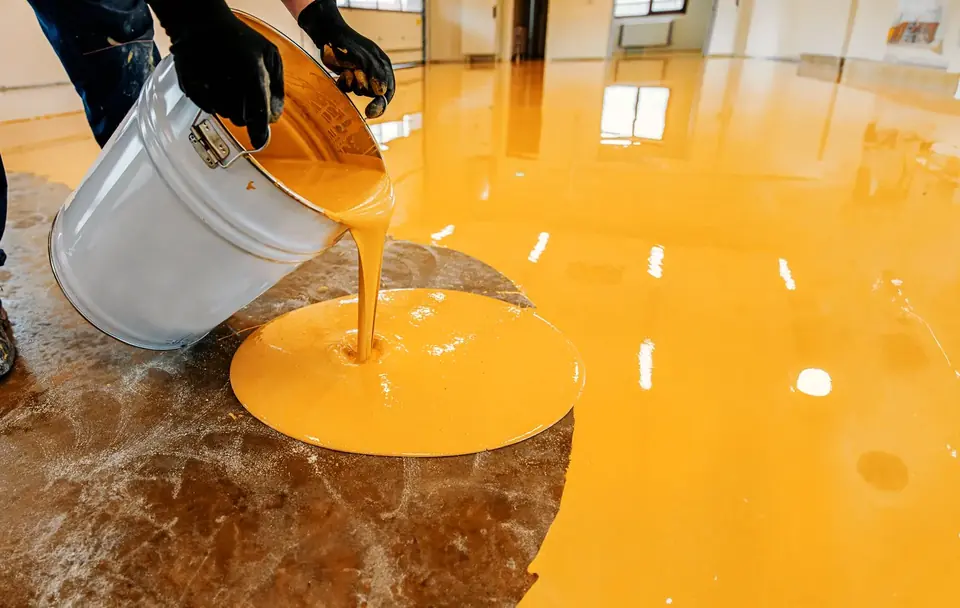
Epoxy cures faster as temperature rises. A product with a comfortable working window on a 70-degree morning can begin to set in the bucket on a 105-degree afternoon. In summer we start early, mix smaller batches, keep material out of the sun and check slab temperature with an infrared thermometer before each coat.
Heat also affects the finished floor. Standard epoxy softens slightly at high temperatures, and a slab baking in afternoon sun near an open garage door gets hot. Pairing an epoxy base with a harder, UV-stable topcoat handles both the heat and the light.
Then there is moisture. Many older Valley homes were built on slabs without a vapor barrier underneath, and moisture vapor moving up through concrete can push a coating off from below. Testing before we coat tells us whether a standard primer is fine or a moisture-mitigating primer is needed.
The steps below describe a standard interior or garage system. Industrial and metallic floors add steps of their own, which are covered on their dedicated pages.
Moisture readings, hardness checks, crack mapping and a look for sealers, paint or adhesive residue.
Diamond grinding with dust extraction to open the pores and remove weak surface paste.
Cracks, pits and spalls are filled with epoxy or polyurea repair material and ground flush.
A penetrating primer wets out the profile and gives every later layer something solid to grab.
Body coats go down at measured coverage, with flake, quartz or metallic added if the design calls for it.
A clear protective coat, texture if needed, and a cure schedule you can plan around.
Epoxy-based systems suit most concrete floors, but not every one. These are the questions that settle it.
It varies widely by system. A residential flake floor typically builds to roughly 15 to 25 mils (thousandths of an inch) including the broadcast, while self-leveling and metallic floors are usually thicker. Heavy industrial systems can be measured in eighths of an inch. Your proposal should state the system, the coats and the expected thickness so you can compare quotes fairly.
The 100% solids epoxies we use for most base coats have very little odor. Some primers and topcoats, especially solvent-based ones, have a noticeable smell for a few hours. For occupied homes we plan ventilation and choose low-odor products where the system allows.
Sometimes, if the old coating is well bonded and compatible, it can be ground and recoated. If it is peeling, bubbling or of unknown chemistry, it needs to come off first. Coating over a failing layer only puts a new floor on top of an old problem.
A coating is only as stable as the concrete under it. If the slab moves at a crack, the floor above can show it. Repairing cracks before coating helps, and honoring control joints instead of filling them rigidly gives the slab room to move. We will point out cracks that are likely to stay active so there are no surprises.
Dust-mop or blow off grit regularly, since sand acts like sandpaper underfoot. For washing, a pH-neutral cleaner and a soft mop or deck brush are all most floors need. Avoid strong acids, citrus degreasers left to sit, and abrasive pads on high-gloss finishes.
Cost depends on square footage, slab condition, the amount of repair needed and the system you choose. A full-flake garage, a metallic living room and an industrial floor are priced very differently. We give a written estimate after seeing the slab rather than quoting blind over the phone.
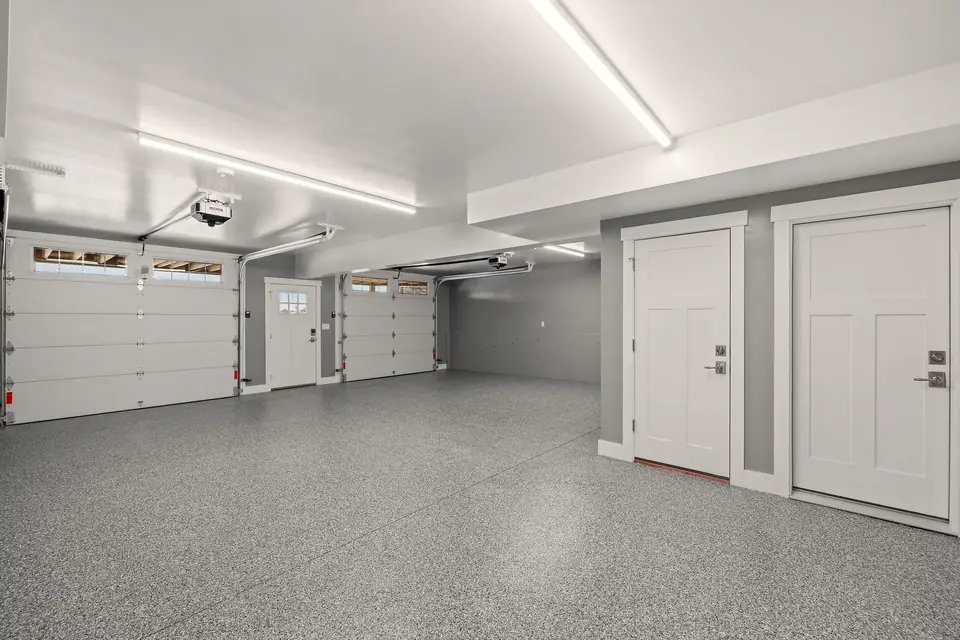
Full-flake, solid and metallic garage floors with hot-tire resistant topcoats.
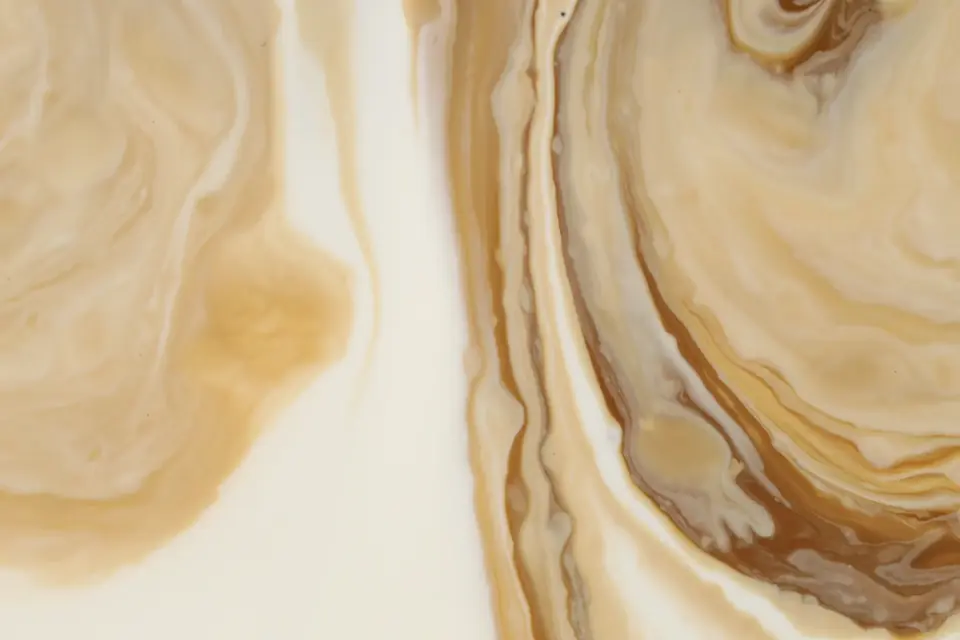
Hand-worked metallic floors in bronzes, pearls and charcoals.
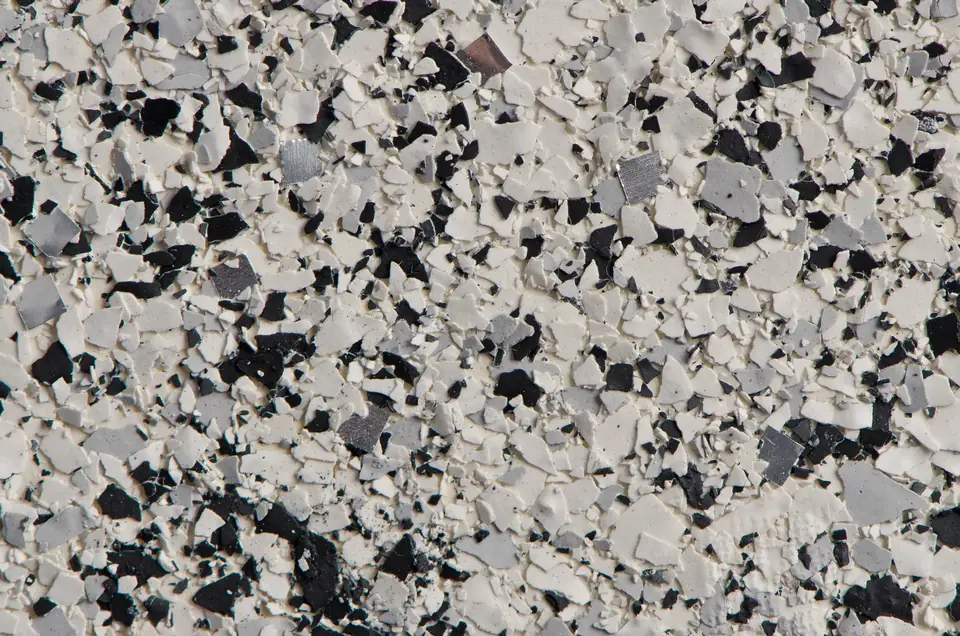
Full-broadcast chip floors with custom blends and adjustable texture.
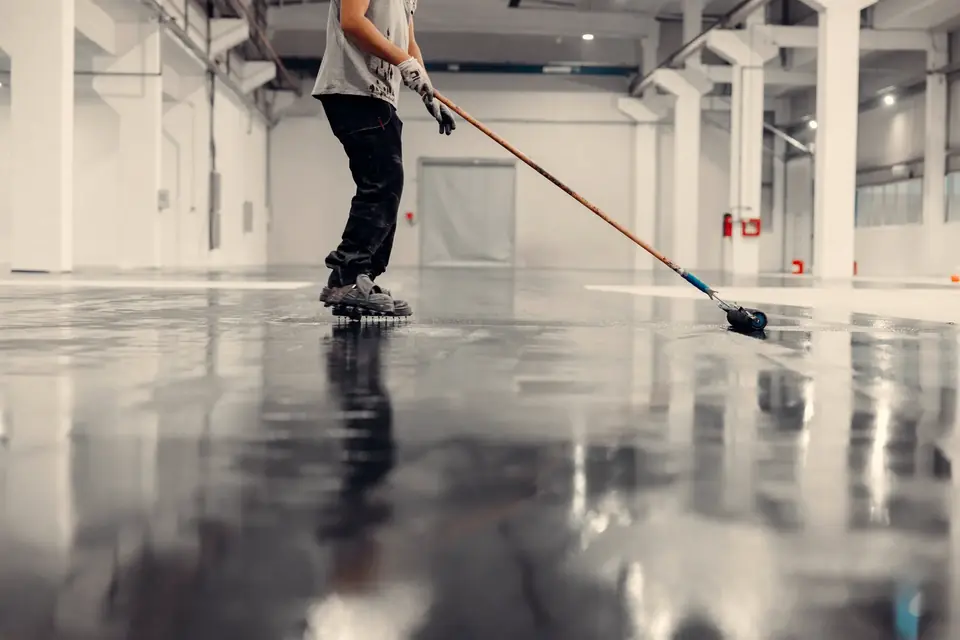
Fast-curing, UV-stable coatings and one-day garage systems.
Tell us about the space and how you use it. We will look at the slab, explain the options that make sense, and put the recommendation in writing.
Prefer to talk? Call (XXX) XXX-XXXX