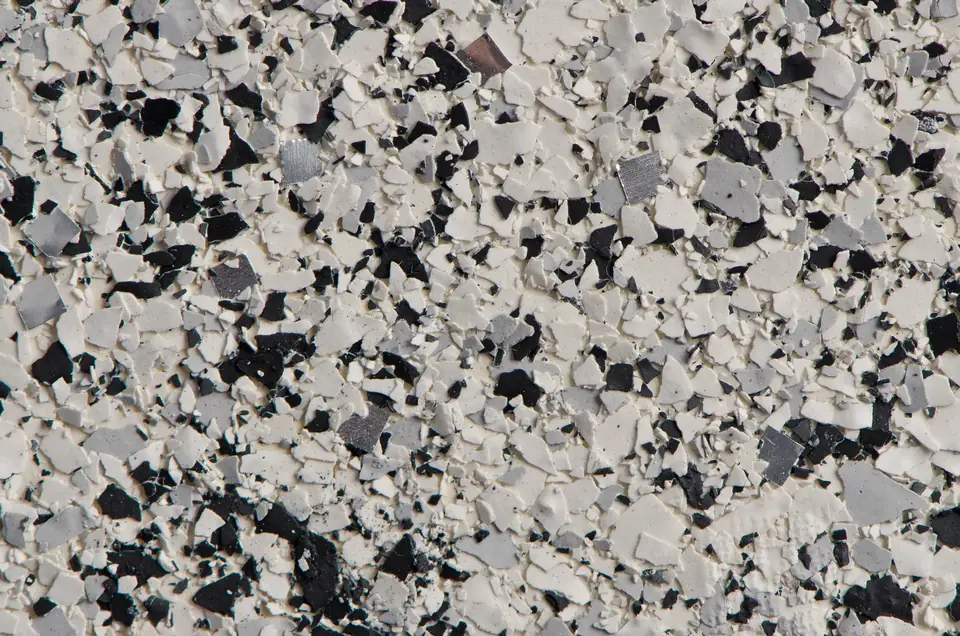
Fine (about 1/16 in.)
Small, tightly packed chips with a speckled, almost granite-like look. Good indoors and in smaller rooms where large chips feel busy.
Tell us about your floor
A few details are enough to start. We'll follow up to talk through the slab, the system options and a time to see the space.
Flake floors are the workhorse of residential coatings for good reason. Thousands of vinyl chips locked under a clear topcoat give you texture, color and a surface that forgives dust, drips and daily wear.
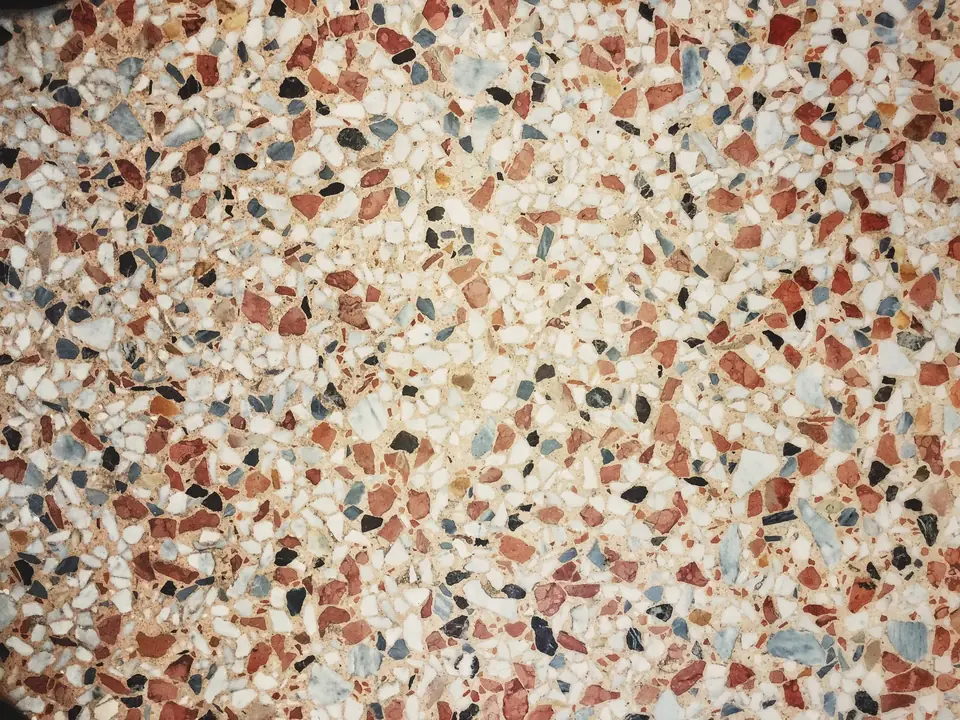
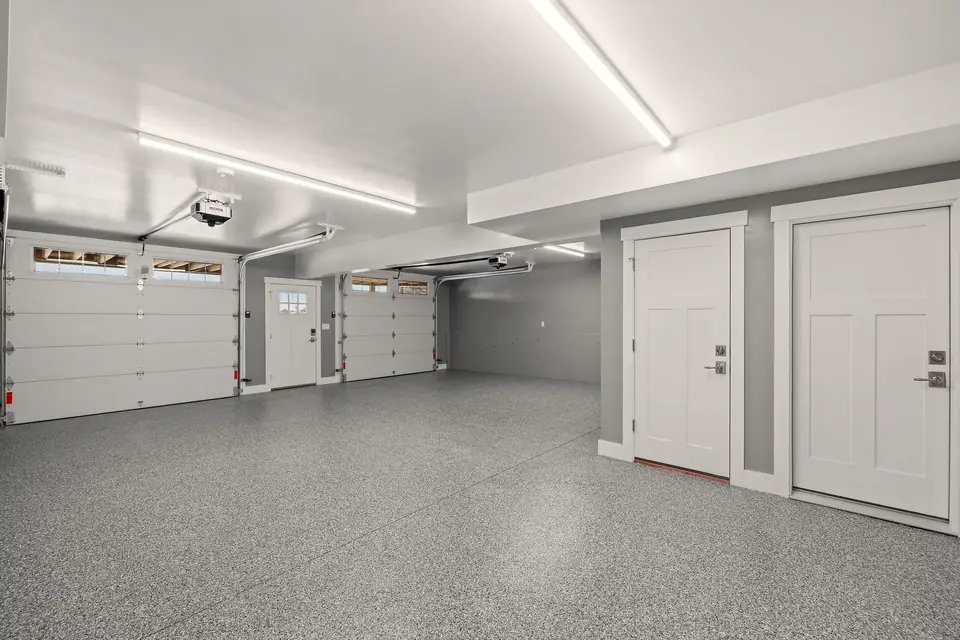
The flakes, also called chips, are thin pieces of colored vinyl. They come pre-mixed in blends of three to six colors and in several sizes. During installation, they are thrown by hand into a wet, pigmented base coat. When the base cures, it locks the chips in place. Loose chips are scraped and vacuumed off, and a clear topcoat seals everything in.
There are two ways to do it. A partial or light broadcast sprinkles chips over the base so the base color shows between them. A full broadcast keeps throwing until the base will not accept any more, so the surface is completely covered. We install full broadcast systems almost exclusively. They produce a thicker, more consistent floor, they hide imperfections in the slab better, and the layered chips add real texture and impact resistance.
Because the final look comes from the blend rather than from a single color, flake floors are also very forgiving. Dust, water spots and tire marks that would stand out on a solid floor disappear into the pattern.
The same color blend can read as refined or bold depending on chip size.
Small, tightly packed chips with a speckled, almost granite-like look. Good indoors and in smaller rooms where large chips feel busy.
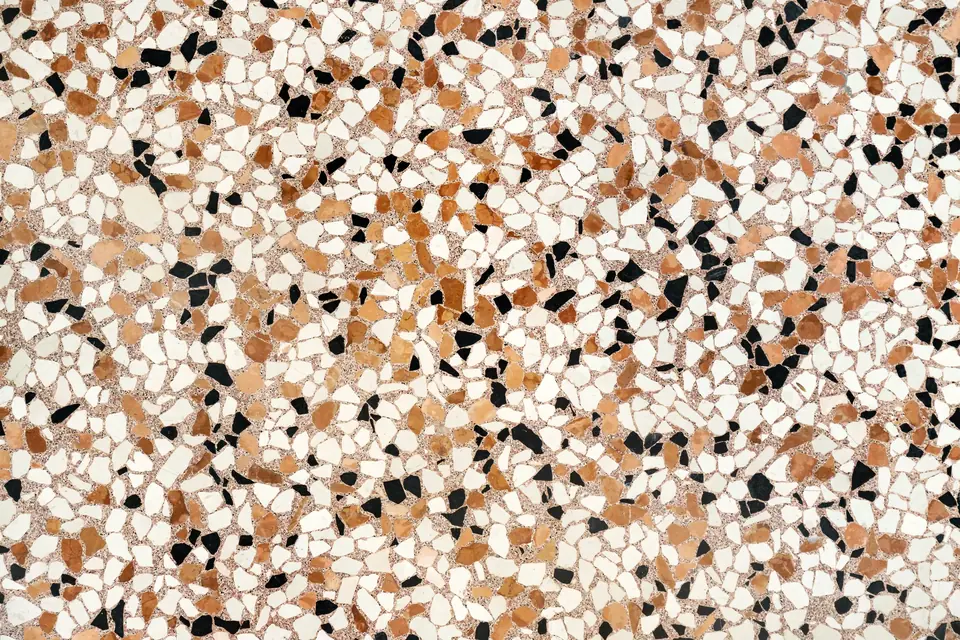
A balance of pattern and calm. Works in almost any garage and is the size most homeowners end up choosing.
The classic garage chip with obvious texture and pattern. Hides the most and gives the most grip under a single topcoat.
Color choice is personal, but a few practical points come up again and again in Phoenix garages.
Tans, browns and creams blend with the color of the dust that blows in, so the floor looks clean longer. They pair naturally with stucco and earth-toned exteriors.
Grays with black and white read modern and crisp, and they suit white cabinets and garage doors. Mid-gray hides more than very light or very dark mixes.
Light floors reflect overhead light and make a garage feel bigger. They show tire marks a little more, so a medium chip helps.
Dark floors look sharp but show dust and hard-water spots. Outdoors, dark colors also absorb more heat in direct sun.
Bring a cabinet door, paint chip or tile sample to the estimate. Seeing the blend next to your finishes is far more useful than a screen.
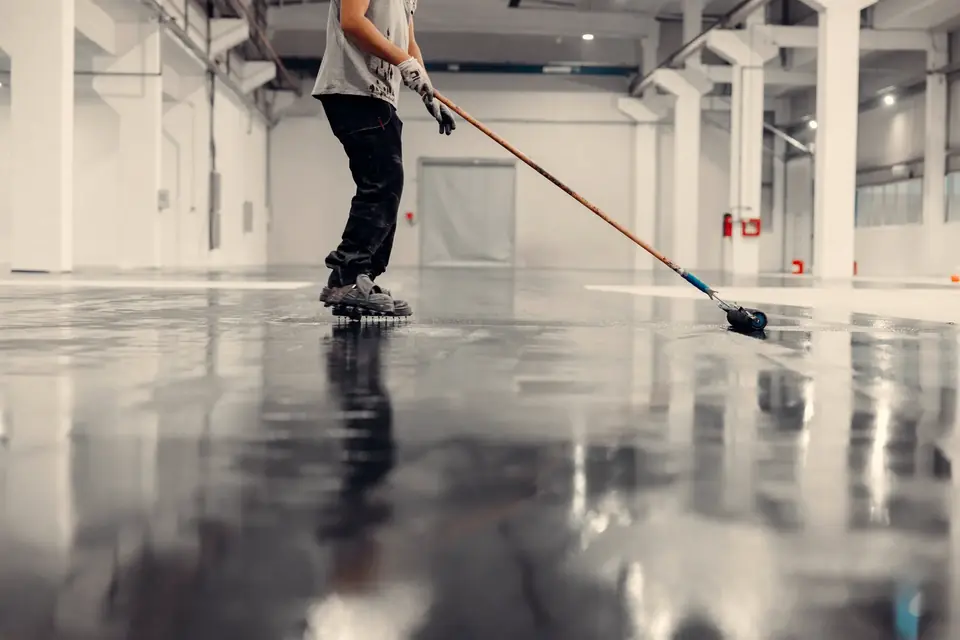
One of the useful things about flake is that you can tune the texture. With a single topcoat, the edges of the chips remain slightly raised and the floor has noticeable grip. Add a second topcoat and the surface becomes smoother and easier to mop, with a little less traction.
For garages that see pool traffic, patios and commercial entries, we can also add a fine anti-slip aggregate to the final coat. It is nearly invisible but makes a real difference with wet shoes.
The topcoat itself matters as much as the texture. In Phoenix we use polyaspartic or aliphatic urethane topcoats over flake because they resist UV yellowing and stand up to hot tires and abrasion better than an epoxy clear coat.
Diamond grinding opens the slab; cracks and pits are filled and ground smooth.
A pigmented base, tinted to complement the blend, is applied in workable sections.
Chips are thrown evenly over the wet base until the surface is fully covered.
Once cured, loose chips are scraped off and the floor is vacuumed thoroughly.
One or two clear coats, with optional anti-slip, lock in the chips and set the texture.
Foot traffic and vehicle timing depend on chemistry; you get specific times at the walkthrough.
Many DIY kits and some budget installs use a light flake sprinkle: a handful of chips scattered across a colored base so the base shows through between them. It looks fine on day one, but it changes the way the floor performs. The visible base color still carries all the wear, the chips add little texture or thickness, and the pattern does very little to hide dust or scuffs.
A full broadcast works differently. Chips are thrown until the wet base cannot accept any more, so the floor ends up with several overlapping layers of vinyl locked into resin. Once the excess is scraped away and the topcoat is applied, the result is a thicker, more impact-resistant surface with a consistent texture from wall to wall. Small imperfections in the slab disappear under it, and the floor reads as a finished surface rather than painted concrete.
Full broadcast uses considerably more flake and labor, which is part of why quotes differ. When you compare estimates, ask whether the system is full broadcast or partial, and how many topcoats will be applied over it.
Sand and decomposed granite from the yard act like sandpaper. Regular sweeping is the single best thing you can do for the topcoat.
Strong acids and citrus degreasers left sitting can dull the finish. A neutral cleaner and a soft deck brush handle most dirt.
Hard Phoenix water leaves mineral spots as it evaporates. A quick squeegee after washing the car keeps the floor clear.
Put pads under jack stands, motorcycle kickstands and heavy cabinets to spread the load.
In a full-broadcast system with a proper topcoat, the chips are bonded in the base and sealed under the clear coat, so they do not come loose with normal use. Chipping usually indicates impact damage or a thin topcoat in high-wear spots.
Yes. We bring physical sample boards to the estimate and can leave a few with you to look at in your own light over a day or two.
Yes. Sweep or dust-mop regularly and wash with a pH-neutral cleaner. With two topcoats the surface is smoother and easier to mop; with one it has more grip but holds a little more dirt in the texture.
It can, with a UV-stable system and texture for wet conditions. Very dark blends get hot in direct sun, so lighter blends are usually better on uncovered patios.
The decorative layer is the same. The difference is the chemistry of the base and topcoat. Polyaspartic cures faster and resists UV better; epoxy bases are often used for their build and bond. Many of our floors combine an epoxy or polyaspartic base with a polyaspartic topcoat.
The biggest differences are usually preparation method, partial versus full broadcast, the chemistry of the base and topcoat, and the number of topcoats. Two floors with the same flake blend can be very different products underneath.
Yes. Borders, accent bands and simple logos can be built into a flake floor with solid colors. They take more planning and masking, so we lay them out with you before installation day.
Flake systems handle normal garage heat well once cured, especially with a hard polyaspartic topcoat. The vinyl chips are sealed inside the resin, so they are protected from direct wear. Slab temperature during installation matters more than heat afterward, which is why summer jobs start early.
Full-flake, solid and metallic garage floors with hot-tire resistant topcoats.
Fast-curing, UV-stable coatings and one-day garage systems.
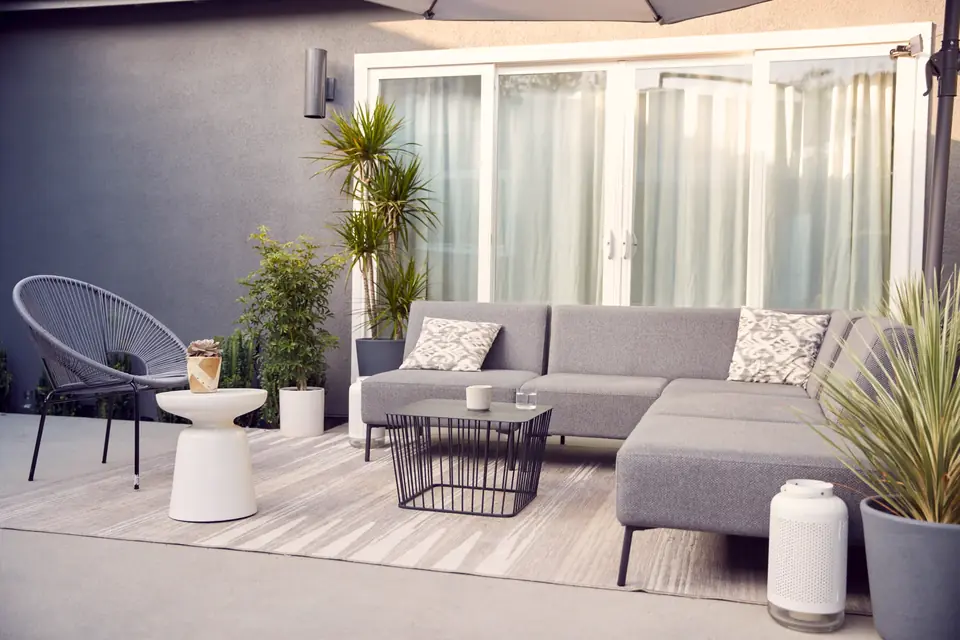
UV-stable, textured coatings and sealers for patios and outdoor slabs.
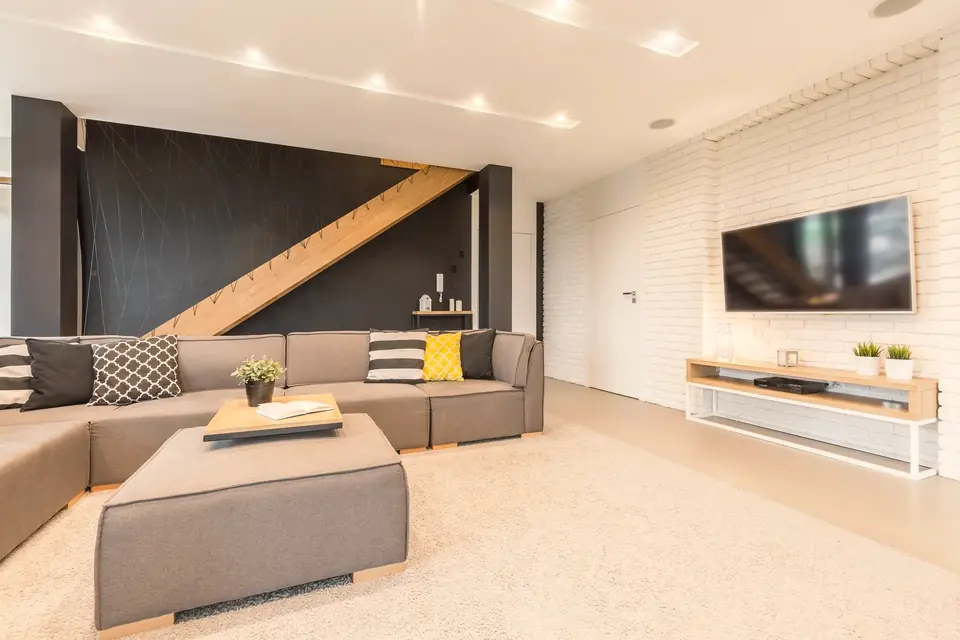
Seamless floors for living areas, laundry rooms, casitas and home gyms.
Request an estimate and we will bring flake samples to your home, look at the slab and recommend chip size and topcoat build for how the floor is used.
Prefer to talk? Call (XXX) XXX-XXXX