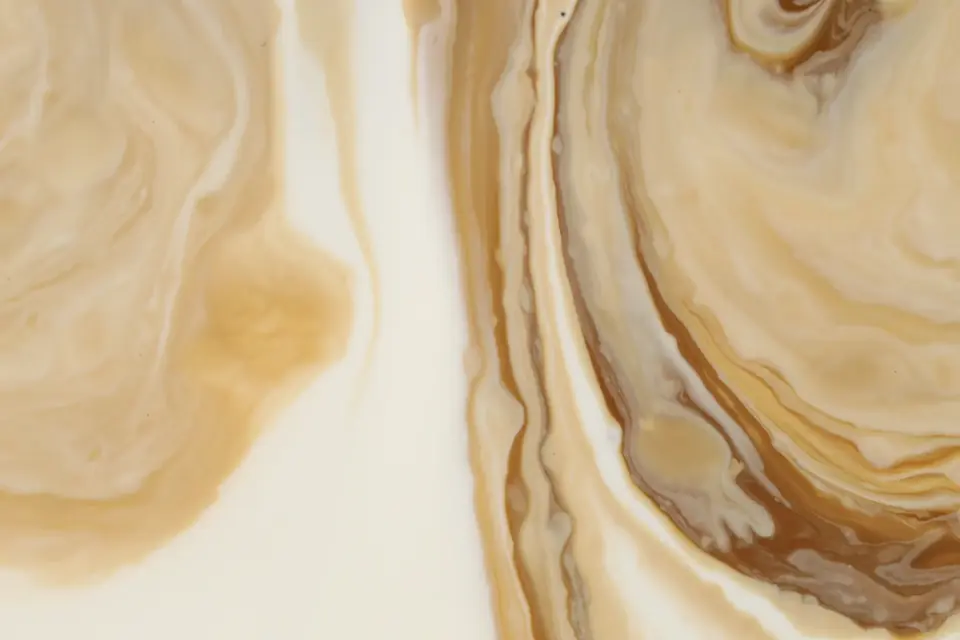
Sandstone and bronze
Warm caramel, copper and cream movement that echoes the desert outside. Pairs well with wood, stucco and terracotta accents.
Tell us about your floor
A few details are enough to start. We'll follow up to talk through the slab, the system options and a time to see the space.
Metallic pigments suspended in clear epoxy shift and settle as the floor levels, creating soft veining, ripples and pools of light. No two floors are alike, and that is the point.
A metallic floor starts with a tinted ground coat that sets the background tone. Over that goes a thick, self-leveling body coat of clear 100% solids epoxy mixed with metallic or pearlescent pigment. While that layer is still fluid, the installer works it with rollers, brushes, trowels, sprayed solvent or air to move the pigment around. As the epoxy levels and cures, the pigment particles turn and settle, catching light at different angles. That is what creates the sense of depth.
The technique is closer to a craft than a coating process. Two installers can use the same materials and produce very different floors. Before we start, we agree on a direction: soft clouds, bold veining, a tight ripple, or a quiet floor with just a hint of movement. Then the floor is worked in a single continuous session so there are no visible seams between sections.
Finally, a protective topcoat goes on. Metallic epoxy on its own is soft enough to scuff and, like any epoxy, will amber in sunlight. A clear urethane or polyaspartic top layer takes that wear and keeps the color true.
We bring sample boards to every metallic estimate, but these are the palettes that come up most often around the Valley.
Warm caramel, copper and cream movement that echoes the desert outside. Pairs well with wood, stucco and terracotta accents.
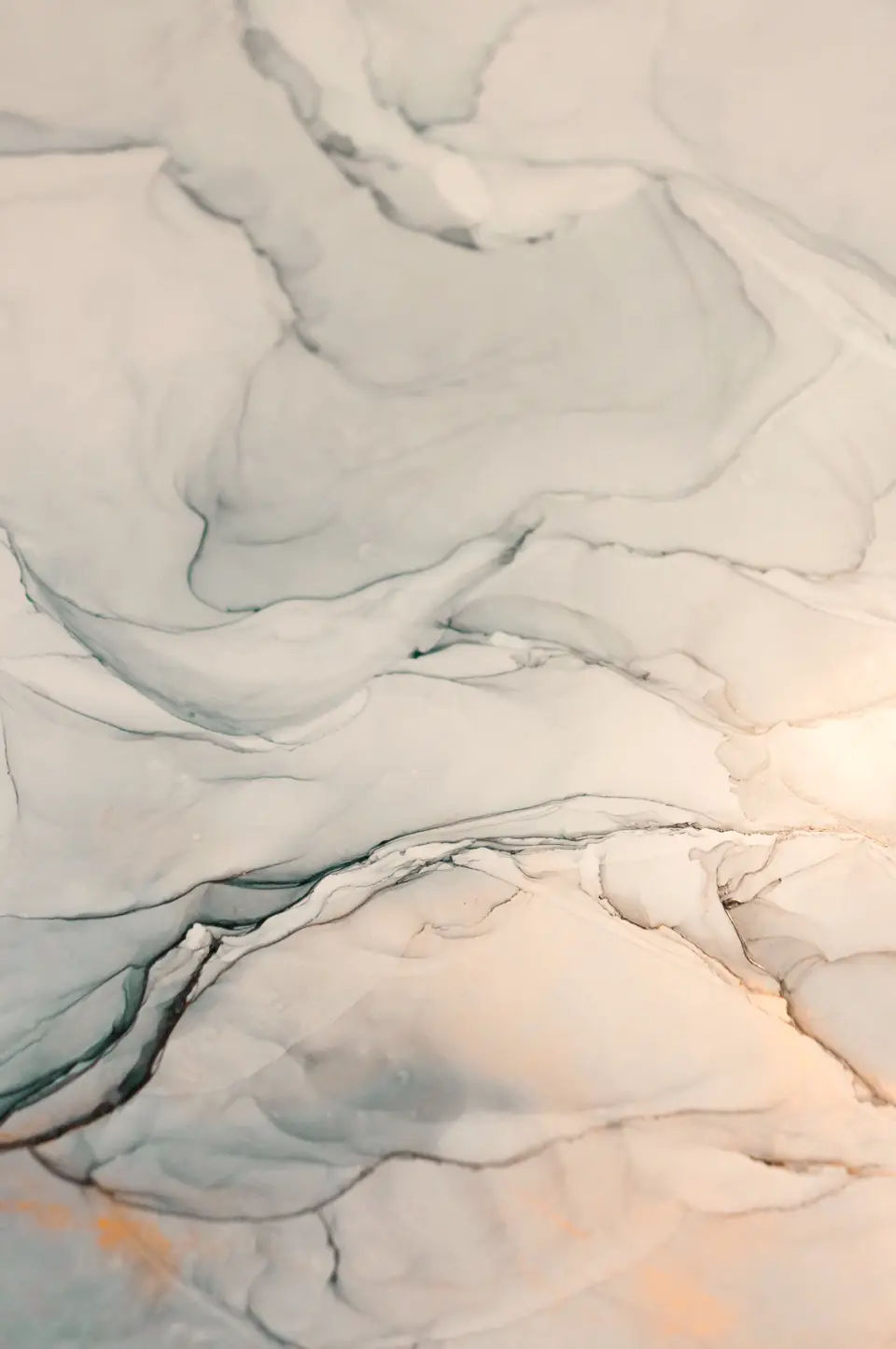
Cool whites and soft grays with a pearl sheen. Bright and modern, and more forgiving of dust than dark charcoal floors.
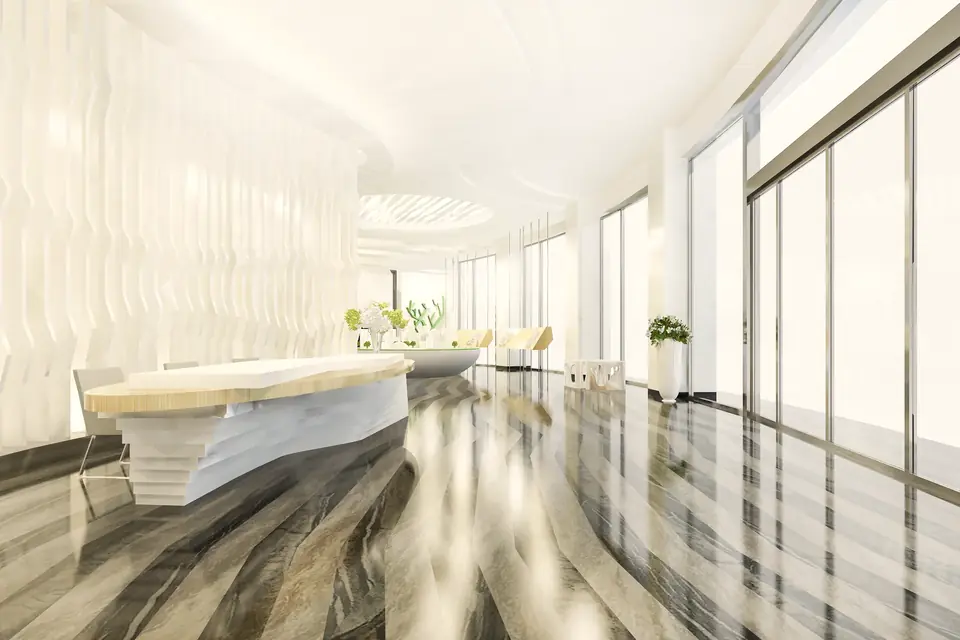
Dramatic and architectural. Beautiful in showrooms and media rooms, but it shows dust and fine scratches more readily than lighter colors.
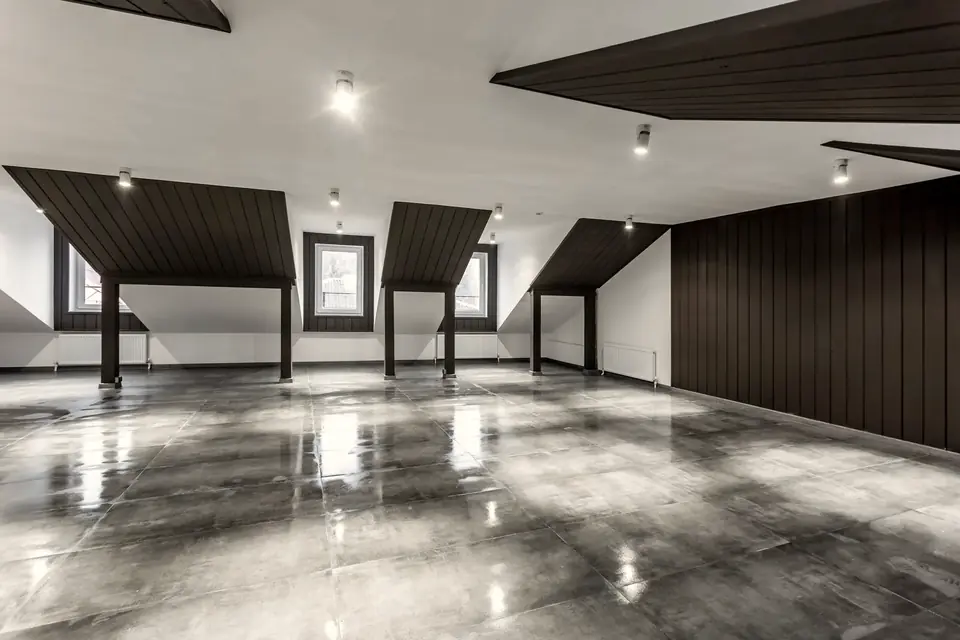
This rendered garage workshop uses an identical camera and room on both sides; only the floor changes from a stained slab to a bronze metallic system.
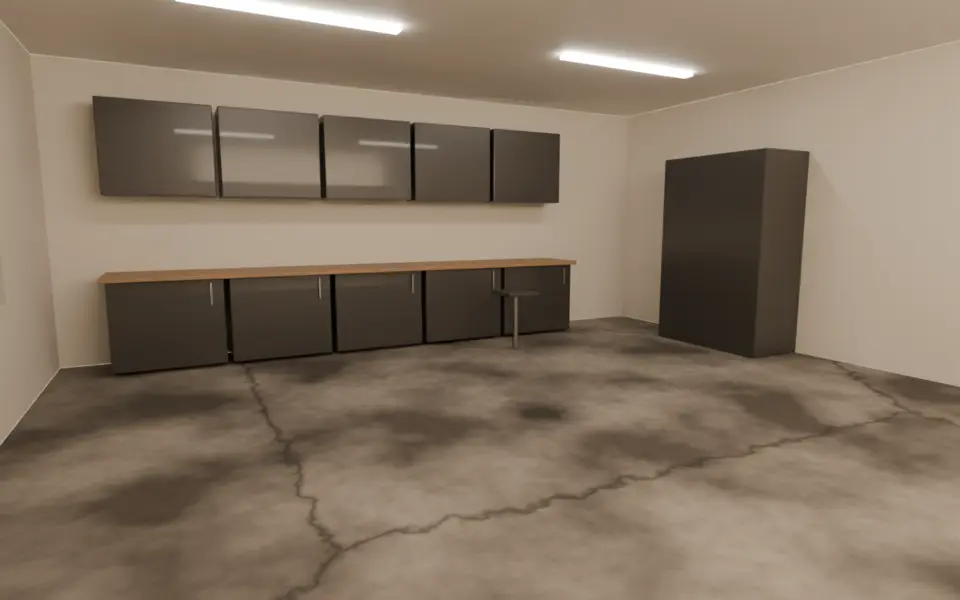
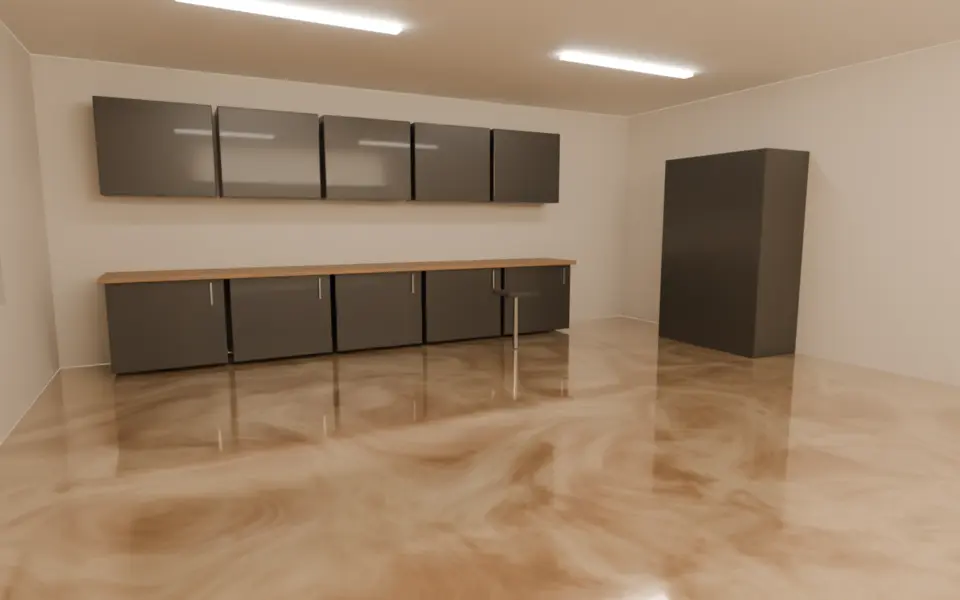
Comparison images are representative examples (licensed stock photography and rendered illustrations) and are not presented as completed projects of ours.
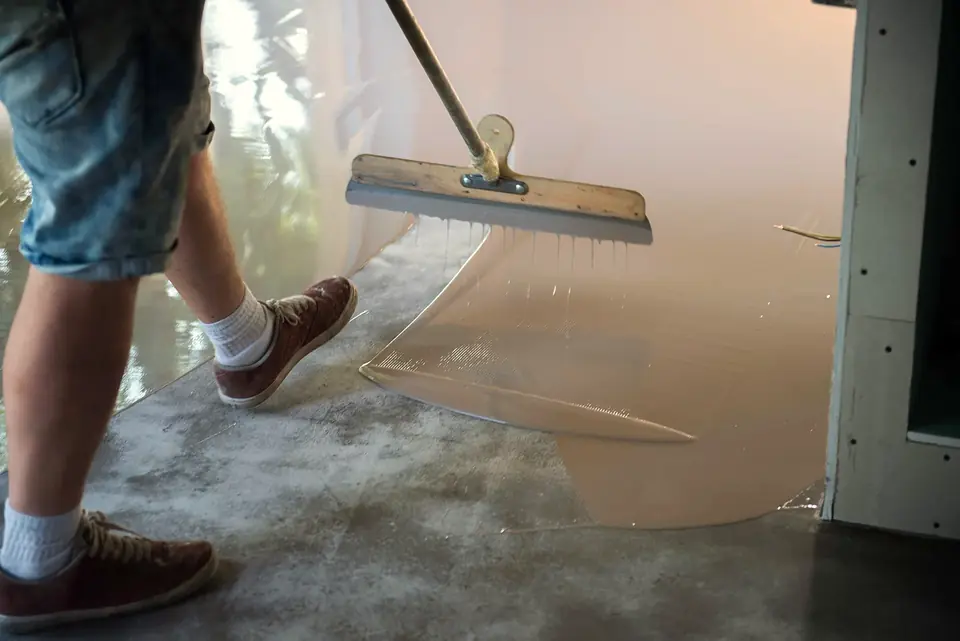
Metallic epoxy is self-leveling, which means it flows toward low spots. On a slab that dips or humps, pigment collects in the low areas and thins over the high ones, and the pattern follows the shape of the concrete rather than the movement the installer intended. Gloss also exaggerates every undulation.
For that reason, metallic floors get more grinding and patching than other systems. High spots and old thinset ridges are ground down, low spots are filled, and cracks are repaired and ground flush so they do not telegraph through. In rooms where tile was removed, this step can take longer than the coating itself.
We will walk the slab with a straightedge during the estimate and tell you honestly whether it is a good candidate for metallic or whether another finish will look better on that floor.
| Metallic epoxy | Full-broadcast flake | Solid color | |
|---|---|---|---|
| Look | One-of-a-kind movement and depth | Speckled, consistent texture | Uniform and clean |
| Hides dust and wear | Low, especially in dark colors | High | Moderate |
| Slip resistance | Smooth unless texture is added to the topcoat | Naturally textured | Smooth unless texture is added |
| Slab flatness needed | High | Moderate | Moderate |
| Spot repair | Difficult to blend invisibly | Relatively easy | Possible, may show |
| Typical rooms | Living spaces, showrooms, showpiece garages | Working garages, laundry, mudrooms | Shops, offices, utility areas |
Sample boards show color and the general style of movement, but they cannot predict exactly what your floor will look like. Metallic pigments respond to slab size, temperature, technique and timing, so the finished floor will be similar in character to the sample rather than a copy of it. Owners who enjoy that variation tend to love metallic floors. If you need a precise, repeatable pattern, a solid or flake system is the better choice.
Expect a metallic floor to take a little longer than a flake floor of the same size. The extra time goes into flatness and cure.
Choose base tone, metallic colors and the style of movement using physical samples.
Remove coatings and ridges, grind high spots and fill low spots for a flat plane.
A primer to seal the slab, then a tinted ground coat that sets the background color.
Self-leveling metallic epoxy poured and worked by hand in one continuous session.
Urethane or polyaspartic in gloss or satin, with optional texture in walk zones.
Longer before heavy furniture or vehicles return; we give you exact timing for your space.
A metallic floor is part of the room’s design, so it is worth thinking about how it will look in daily life, not just on the day it is finished.
The deepest, most dramatic look. It mirrors windows and lights, which can be beautiful in a showroom or living room, but it also shows dust, footprints and fine scratches most clearly.
A softer sheen that still lets the metallic movement show. It is far more forgiving day to day and is what many homeowners choose for rooms they actually live in.
Pearls, champagnes and sandstones hide dust and wear better than charcoal, black or deep blues, which look stunning but need more frequent dust-mopping.
Felt pads on chair and table legs prevent most scratches. Rugs with breathable backings protect high-traffic paths without trapping moisture.
Directional light shows off metallic movement. Strong afternoon sun can wash it out, so we look at your windows when recommending a color.
Desert homes are full of strong light, which suits metallic floors well. Morning sun across a living room or the glow of pendant lights in the evening brings out the movement in the pigment in a way flat lighting never will. Many owners choose warm tones that echo the landscape outside, while others prefer cool pearls that keep a room feeling bright and calm through the hottest months.
Sunlight is also the one thing to plan for. Large west-facing windows and sliding doors can gradually change the tone of an unprotected epoxy floor. A UV-stable topcoat, and in some rooms window film or shades, keeps the color consistent from one side of the room to the other.
Yes, and it can look spectacular. Just know that it shows dust, water spots and tire marks more than flake, and it needs a hard, UV-stable topcoat to handle hot tires and sunlight at the door. Many owners use metallic in a showcase garage and flake in a working one.
The surface is smooth, so it can be slippery when wet. A satin topcoat or fine anti-slip additive improves grip with a small change in appearance. Interior living spaces usually do not need much texture.
The epoxy body coat itself can amber with UV exposure, which is why the topcoat matters. A UV-stable urethane or polyaspartic topcoat greatly reduces the effect in rooms with large windows or garage doors.
Small scratches in the topcoat can often be buffed and recoated. Deep gouges into the metallic layer are much harder to blend because the pattern cannot be reproduced exactly. Protecting the floor with felt pads and mats in high-wear spots is the best defense.
Most residential rooms take several days from prep to topcoat, plus cure time before heavy use. Large or heavily damaged slabs take longer. We will give you a day-by-day plan before work starts.
Yes. Showrooms, salons, offices and lobbies use metallic floors often. Commercial traffic calls for a tougher topcoat and a plan for refreshing the busiest walkways over time.
We bring sample boards in several color directions, and for larger projects we can prepare a larger sample panel. You can also view finished floors in the gallery. Remember that every metallic floor will vary somewhat from the sample.
Metallic floors generally cost more because they need more grinding and patching for flatness, more material, more hand labor during application and a protective topcoat. The exact difference depends on the slab and the size of the room.
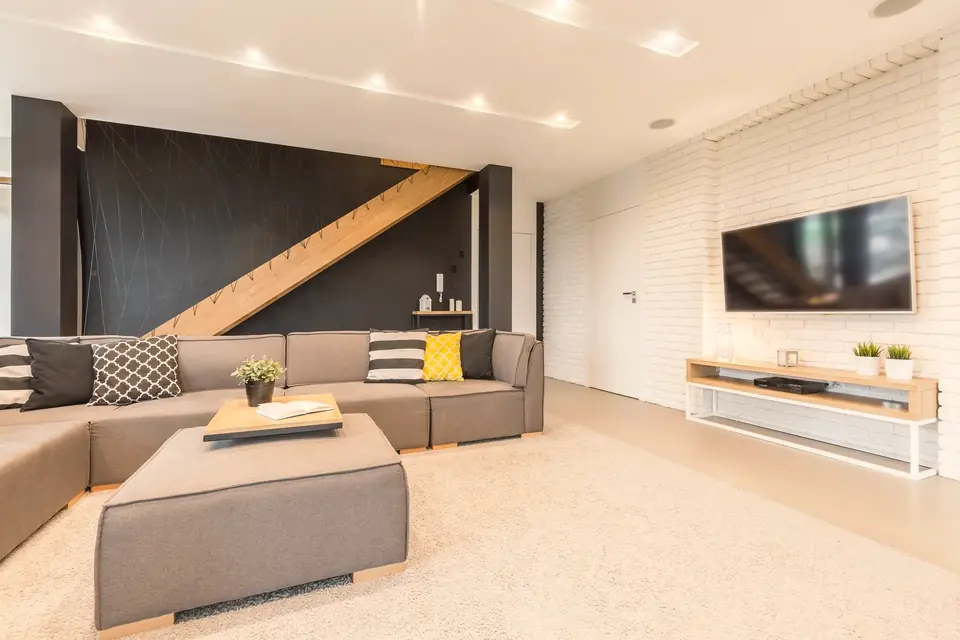
Seamless floors for living areas, laundry rooms, casitas and home gyms.

Retail, office, salon and showroom floors scheduled around business hours.
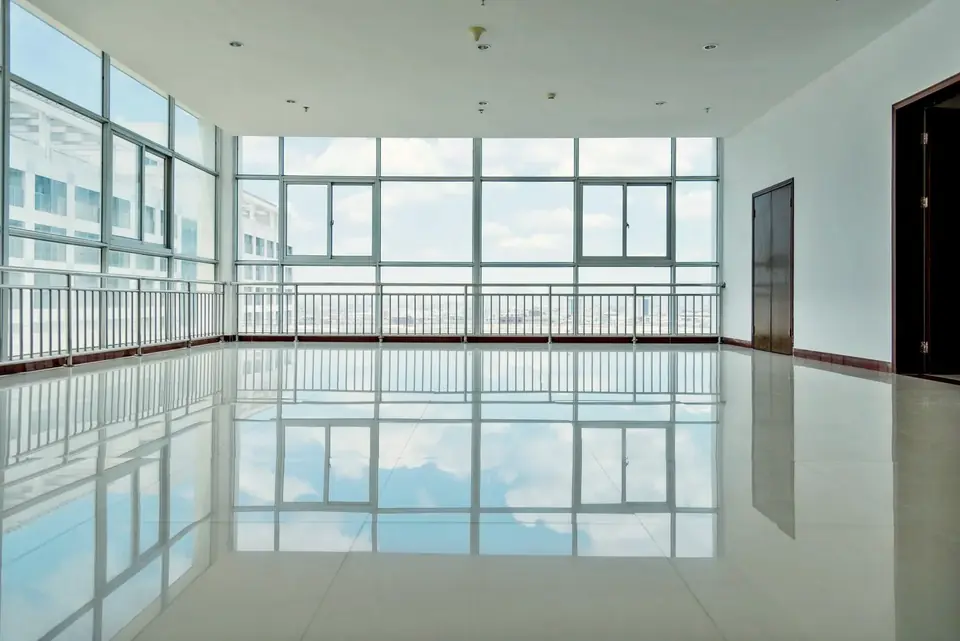
The full range of epoxy systems and finishes, and how to choose between them.
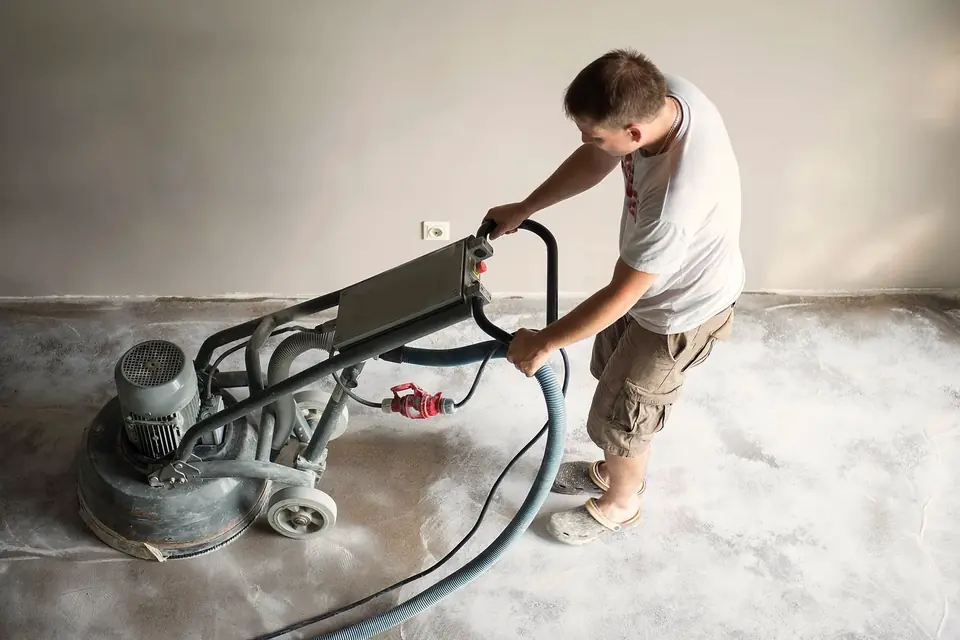
Diamond grinding, coating removal, crack and joint repair, moisture testing.
Tell us about the room and the look you have in mind. We will check the slab for flatness, bring samples, and be straight about whether metallic is the best fit.
Prefer to talk? Call (XXX) XXX-XXXX